2026 Fed Rate Outlook: Adjust Portfolios for 0.75% Shift
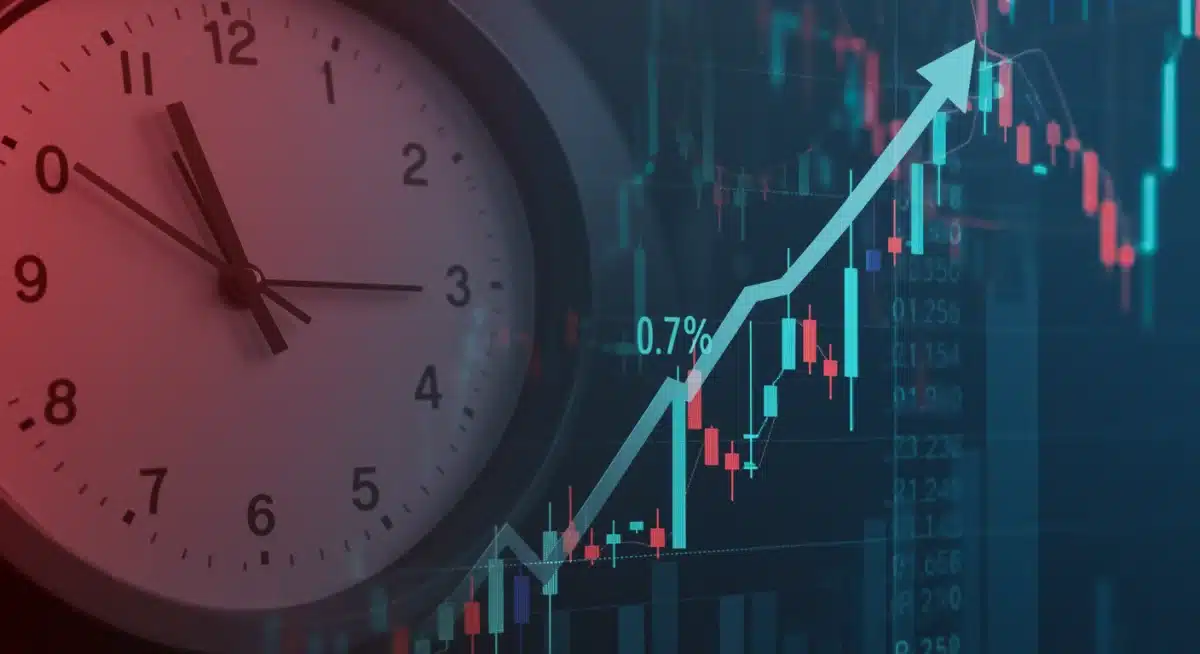
Understanding the 2026 Federal Reserve interest rate outlook, particularly a potential 0.75% shift, is vital for investors to proactively adjust their portfolios and navigate evolving economic conditions effectively.
As we look ahead to 2026, the potential for a 2026 Federal Reserve interest rate outlook shift, specifically a 0.75% change, looms large for investors. This seemingly small adjustment can ripple through financial markets, demanding thoughtful portfolio re-evaluation. Are you prepared to adapt your investment strategy?
Understanding the Federal Reserve’s Role and Mandate
The Federal Reserve, often referred to as the Fed, serves as the central bank of the United States. Its primary responsibilities include conducting monetary policy, supervising and regulating banking institutions, maintaining the stability of the financial system, and providing financial services to depository institutions, the U.S. government, and foreign official institutions. These functions collectively aim to foster a healthy economy.
The Fed operates under a dual mandate from Congress: to achieve maximum employment and stable prices. Stable prices typically imply managing inflation, keeping it at a target level that supports sustainable economic growth without eroding purchasing power. Interest rates are one of the most powerful tools at the Fed’s disposal to achieve these goals.
The Dual Mandate Explained
- Maximum Employment: This goal doesn’t mean zero unemployment, but rather the lowest level of unemployment consistent with price stability. It acknowledges that some level of frictional and structural unemployment is natural in a dynamic economy.
- Stable Prices: The Fed generally targets an inflation rate of 2% over the longer run. This rate is considered optimal for fostering economic growth and avoiding the pitfalls of both deflation and excessive inflation.
- Moderate Long-Term Interest Rates: While not explicitly part of the dual mandate, the Fed also considers long-term interest rates as a factor in its policy decisions, aiming for rates that support economic expansion.
The Federal Open Market Committee (FOMC) is the Fed’s principal monetary policymaking body. It consists of twelve members: the seven members of the Board of Governors, the president of the Federal Reserve Bank of New York, and presidents of four other Federal Reserve Banks on a rotating basis. The FOMC meets eight times a year to assess economic and financial conditions, determine the appropriate stance of monetary policy, and evaluate the risks to its long-run goals of maximum employment and price stability. Their decisions on the federal funds rate directly influence other interest rates across the economy.
In conclusion, understanding the Fed’s mandate and how it uses tools like interest rates is foundational to anticipating economic shifts. A potential 0.75% change in the federal funds rate in 2026 would be a direct outcome of the FOMC’s assessment of the economic landscape and its commitment to its dual mandate.
The Mechanics of a 0.75% Interest Rate Shift
A 0.75% shift in the Federal Reserve’s interest rate, often referred to as 75 basis points, is a significant move in monetary policy. This adjustment typically impacts the federal funds rate, which is the target rate for overnight lending between banks. While this rate isn’t directly what consumers pay, its changes cascade throughout the financial system, influencing a wide array of other interest rates.
When the Fed raises rates, it makes borrowing more expensive for banks. These higher costs are then passed on to consumers and businesses through increased rates on loans, mortgages, and credit cards. Conversely, a rate cut makes borrowing cheaper, stimulating economic activity. A 0.75% hike signals a strong intent by the Fed to cool an overheating economy, combat inflation, or reinforce financial stability, depending on the prevailing economic conditions in 2026.
Key Economic Impacts of a Rate Increase
- Borrowing Costs: Mortgages, auto loans, and business loans become more expensive, potentially curbing consumer spending and business investment.
- Savings Rates: Banks may offer higher interest rates on savings accounts and certificates of deposit (CDs), making saving more attractive.
- Bond Yields: New bonds issued typically offer higher yields to compete with the new, higher benchmark rate, which can affect existing bond prices.
- Stock Market Volatility: Higher borrowing costs can reduce corporate profits, potentially leading to stock market corrections or slower growth.
The timing and context of such a shift are crucial. If the U.S. economy in 2026 is experiencing robust growth and persistent inflation, a 0.75% rate hike would be a logical step to prevent the economy from overheating. However, if growth is slowing, such a hike could risk pushing the economy into a recession. Market expectations play a substantial role; if a rate hike is largely anticipated, its impact may be partially priced in already, leading to a less dramatic immediate reaction. Unanticipated moves, however, can cause significant market volatility.
In essence, a 0.75% interest rate shift is a powerful lever used by the Fed to fine-tune the economy. Its primary goal is to bring supply and demand into better balance, ultimately aiming for long-term price stability and sustainable growth. Investors must consider these mechanics when evaluating their portfolio’s sensitivity to rate changes.
Impact on Different Asset Classes
A 0.75% interest rate shift by the Federal Reserve can have a profound and varied impact across different asset classes. Understanding these dynamics is crucial for any investor looking to adjust their portfolio effectively in 2026. Each asset class reacts differently to changes in borrowing costs, inflation expectations, and economic growth prospects.
Generally, when interest rates rise, fixed-income investments like bonds tend to suffer in terms of price for existing holdings, as newer bonds offer higher yields, making older, lower-yielding bonds less attractive. However, for new bond purchases, higher rates mean better returns. Equities, or stocks, can also face headwinds as higher borrowing costs reduce corporate profits and make future earnings less valuable when discounted back to the present. Real estate and commodities also have specific sensitivities.
How Key Asset Classes Respond to Rate Hikes
- Bonds: Existing bond prices typically fall, while new bond issues offer higher yields. Short-duration bonds are generally less sensitive to rate changes than long-duration bonds.
- Equities (Stocks): Growth stocks, which rely heavily on future earnings, can be particularly vulnerable. Value stocks or those with strong cash flows may be more resilient. Sectors like financials often benefit from higher rates.
- Real Estate: Higher mortgage rates can cool the housing market, impacting real estate investment trusts (REITs) and property values. Commercial real estate can also see reduced demand if financing becomes more expensive for developers.
- Commodities: The impact is mixed. Gold, often seen as a safe haven, can struggle against higher yields from bonds. Industrial commodities like oil can be affected by economic growth forecasts, which may dampen if rates rise too quickly.
The interconnectedness of these asset classes means that a shift in one area can trigger a ripple effect across others. For instance, higher bond yields can draw capital away from stocks, while a slowdown in real estate can impact construction and related industries. Investors must look beyond individual asset performance and consider the broader macroeconomic picture. The 2026 economic environment will dictate the precise sensitivity of each asset class, making a diversified and adaptable strategy paramount.
In summary, a 0.75% rate shift demands a granular understanding of how each asset class will react. This insight allows investors to proactively rebalance their portfolios, favoring assets that are either less sensitive to rate hikes or positioned to benefit from them, while potentially reducing exposure to more vulnerable areas.
Strategies for Portfolio Adjustment in a Rising Rate Environment
Adjusting your portfolio in anticipation of or response to a 0.75% interest rate shift requires a strategic and thoughtful approach. The goal is to mitigate potential losses from vulnerable assets while positioning for growth in areas that may thrive. This isn’t about panic selling, but rather a calculated rebalancing to align with the new economic reality of higher borrowing costs.
A key principle is diversification, not just across asset classes but also within them. Consider the duration of your fixed-income holdings and the sensitivity of your equity investments to interest rate changes. It’s also important to assess your personal financial goals and risk tolerance, as these should always guide your investment decisions, especially during periods of market adjustment.
Tactical Adjustments for Your Portfolio
- Shorten Bond Duration: As interest rates rise, longer-duration bonds lose more value. Consider shifting towards shorter-duration bonds or bond funds, which are less sensitive to rate fluctuations.
- Focus on Value and Dividend Stocks: Companies with strong balance sheets, consistent earnings, and those that pay reliable dividends tend to perform better in rising rate environments than highly leveraged growth stocks.
- Explore Floating-Rate Securities: These investments, such as floating-rate notes or bank loans, have interest payments that adjust with market rates, potentially offering protection against rising rates.
- Consider Financial Sector Exposure: Banks and other financial institutions often benefit from higher interest rates, as their lending margins can expand.
Beyond these specific asset plays, re-evaluating your debt is also critical. If you have variable-rate debt, consider refinancing to a fixed rate to lock in current payments before rates climb further. For businesses, managing cash flow and reducing reliance on short-term, variable-rate financing becomes paramount. Regularly rebalancing your portfolio to maintain your desired asset allocation is also crucial. This ensures you’re not overexposed to any one asset class that could be particularly vulnerable to rate hikes.
In conclusion, proactive portfolio adjustment involves a blend of defensive and opportunistic strategies. By understanding which assets thrive and which struggle when rates climb, investors can make informed decisions to protect and grow their wealth even amidst a significant 0.75% Federal Reserve interest rate shift in 2026.
Sector-Specific Opportunities and Risks
A 0.75% Federal Reserve interest rate shift in 2026 will not affect all economic sectors equally. Some industries are inherently more sensitive to changes in borrowing costs and economic growth, presenting both unique opportunities and heightened risks for investors. Identifying these sector-specific dynamics is key to fine-tuning your portfolio strategy.
Sectors that rely heavily on consumer spending or significant capital investment, like real estate and automotive, can experience headwinds as borrowing becomes more expensive. Conversely, sectors that benefit from higher interest rates, such as banking, or those that are more resilient to economic slowdowns, like consumer staples, might offer relative stability or even growth.
Opportunities in a Rising Rate Environment
- Financials: Banks, insurance companies, and other financial institutions often see their net interest margins expand as rates rise, leading to increased profitability.
- Energy: If rising rates are a response to inflation, commodity-driven sectors like energy can perform well, as energy prices often contribute to inflationary pressures.
- Healthcare (Defensive): This sector is often considered defensive, meaning it tends to perform relatively well regardless of the economic cycle, as demand for healthcare services remains consistent.
Risks in a Rising Rate Environment
- Technology (Growth Stocks): Many tech companies rely on future growth expectations, and higher discount rates make those future earnings less valuable today. They also often carry significant debt for expansion.
- Real Estate & Construction: Higher mortgage rates reduce housing affordability and dampen construction activity, impacting developers and related industries.
- Utilities: These companies often carry substantial debt for infrastructure projects, and higher interest expenses can squeeze their profit margins. They are also sensitive to consumer demand fluctuations.
Beyond these broad categories, it’s essential to look at individual companies within sectors. A strong balance sheet, efficient operations, and a competitive advantage can help a company weather a rising rate environment, even if its sector faces challenges. Conversely, a highly leveraged company in a vulnerable sector could face significant difficulties. Investors should conduct thorough due diligence, focusing on companies with robust fundamentals and clear strategies for navigating higher interest costs and potentially slower economic growth.
Ultimately, a sector-specific analysis is vital for a nuanced portfolio adjustment. By understanding where the opportunities and risks lie, investors can strategically allocate capital to sectors that are better equipped to handle or even benefit from the 2026 Federal Reserve interest rate outlook.
Long-Term Portfolio Resilience and Risk Management
Beyond immediate adjustments to a potential 0.75% Federal Reserve interest rate shift in 2026, building long-term portfolio resilience and robust risk management strategies is paramount. Market fluctuations and economic policy changes are inevitable, and a well-structured portfolio is one that can withstand these shifts over time, rather than requiring constant, reactive overhauls.
Long-term resilience stems from a clear investment philosophy, consistent asset allocation principles, and a deep understanding of one’s own financial goals and risk tolerance. It’s not just about what to buy or sell, but how to construct a portfolio that is inherently diversified and adaptable to various economic scenarios, including unexpected rate changes.
Pillars of Long-Term Portfolio Resilience
- Diversification: Spread investments across various asset classes, geographies, and industries to reduce concentration risk. This includes both traditional and alternative investments.
- Regular Rebalancing: Periodically adjust your portfolio back to its target asset allocation. This forces you to sell high and buy low, maintaining your risk profile and capitalizing on market movements.
- Emergency Fund: Maintain a substantial emergency fund (typically 3-6 months of living expenses) in a high-yield savings account. This prevents you from needing to sell investments at inopportune times during market downturns.
- Long-Term Perspective: Avoid making impulsive decisions based on short-term market noise. Focus on your long-term financial objectives and the power of compounding.
Effective risk management involves more than just diversification. It includes understanding the specific risks associated with each investment, such as interest rate risk for bonds, market risk for stocks, and liquidity risk for certain alternative assets. Using tools like stop-loss orders for individual stock holdings, or dollar-cost averaging for consistent investment, can also help mitigate risk over time. Furthermore, staying informed about macroeconomic trends and central bank communications allows for proactive, rather than reactive, decision-making.
Considering the 2026 Federal Reserve interest rate outlook, investors should also stress-test their portfolios against different interest rate scenarios. This involves imagining how their portfolio would perform if rates rise more or less than expected, or if other economic factors change. This preparation builds confidence and reduces the likelihood of emotional decisions during periods of market stress.
In conclusion, while short-term adjustments to interest rate shifts are necessary, the ultimate goal is to cultivate a portfolio that is robust and resilient over the long haul. This involves a commitment to diversification, disciplined rebalancing, and a clear understanding of risk, ensuring your investments can weather various economic climates.
Forecasting Beyond 2026: Economic Indicators to Watch
While the 2026 Federal Reserve interest rate outlook is a immediate concern, savvy investors also look beyond this horizon, monitoring key economic indicators that could influence future Fed policy and market conditions. Understanding these long-term drivers allows for a more comprehensive and forward-thinking investment strategy, preparing for shifts potentially even larger than a 0.75% change.
The Federal Reserve’s decisions are data-dependent, meaning they constantly evaluate a wide range of economic statistics. By tracking these same indicators, investors can gain insight into the Fed’s likely path and anticipate future monetary policy adjustments, giving them a strategic advantage in managing their portfolios.
Critical Economic Indicators for Long-Term Forecasting
- Inflation Data (CPI, PCE): The Consumer Price Index (CPI) and Personal Consumption Expenditures (PCE) are the Fed’s preferred measures of inflation. Persistent inflation above the 2% target would likely prompt further rate hikes.
- Employment Statistics (Jobs Report, Unemployment Rate): Strong job growth and a low unemployment rate suggest a robust economy that can absorb higher interest rates. Conversely, a weakening labor market might lead the Fed to pause or even cut rates.
- GDP Growth: Gross Domestic Product (GDP) measures economic output. Sustained high GDP growth could indicate an overheating economy, potentially leading to rate increases to slow demand.
- Wage Growth: Rising wages can contribute to inflationary pressures, as businesses pass on higher labor costs to consumers. The Fed closely monitors wage trends for signs of a wage-price spiral.
- Consumer Confidence & Spending: Strong consumer sentiment and retail sales indicate a healthy economy but can also signal inflationary risks if demand outstrips supply.
Beyond these core indicators, global economic trends, geopolitical events, and technological advancements also play a significant role. For instance, supply chain disruptions, energy price volatility, or significant shifts in international trade policies can all impact inflation and economic growth, thereby influencing the Fed’s decisions. Observing the yield curve, particularly the spread between short-term and long-term Treasury yields, can also provide clues about future economic sentiment and recession probabilities.
Furthermore, the Fed’s own communications, including FOMC meeting minutes, speeches by Fed officials, and their Summary of Economic Projections (SEP), offer invaluable insights into their thinking and future policy path. Staying abreast of these pronouncements is just as important as monitoring the raw economic data.
In essence, long-term portfolio success hinges on an ability to forecast beyond immediate events. By diligently tracking these economic indicators and understanding their implications, investors can build a more resilient and growth-oriented portfolio, ready for whatever the post-2026 economic landscape may bring.
| Key Aspect | Brief Description |
|---|---|
| Fed’s Dual Mandate | Achieve maximum employment and stable prices (2% inflation target). |
| 0.75% Shift Impact | Significant increase in borrowing costs across the economy, affecting loans and investments. |
| Portfolio Adjustments | Consider shorter-duration bonds, value stocks, financials, and evaluate debt. |
| Key Indicators | Monitor inflation, employment, GDP, and wage growth for future Fed actions. |
Frequently Asked Questions About 2026 Fed Rate Outlook
A 0.75% increase in the federal funds rate will likely lead to higher interest rates on new mortgages, both fixed and variable. If you have a variable-rate mortgage, your payments could increase. For potential homebuyers, borrowing becomes more expensive, potentially cooling housing demand.
Typically, a 0.75% Fed rate hike leads banks to offer higher interest rates on savings accounts, money market accounts, and Certificates of Deposit (CDs). This makes saving more attractive, as your money will earn a better return. Shop around for competitive rates.
Not necessarily. While growth stocks can be sensitive to rising rates, a blanket sell-off might be premature. Evaluate individual company fundamentals, debt levels, and future growth prospects. Consider rebalancing towards more resilient sectors or value stocks rather than exiting entirely.
To protect your bond portfolio, consider reducing exposure to long-duration bonds, which are more sensitive to rate hikes. Instead, favor shorter-duration bonds, floating-rate notes, or bond funds focused on these areas. Diversification within fixed income is key.
For retirement planning, higher rates mean potentially better returns on fixed-income investments for future contributions. However, it could also impact the value of existing bond holdings. Review your asset allocation to ensure it remains aligned with your retirement timeline and risk tolerance.
Conclusion
The prospect of a 0.75% shift in the 2026 Federal Reserve interest rate outlook underscores the dynamic nature of financial markets and the critical need for proactive portfolio management. Understanding the Fed’s mandate, the mechanics of rate changes, and their varied impact across asset classes is not merely academic; it’s essential for safeguarding and growing wealth. By strategically adjusting portfolios, focusing on resilient sectors, and maintaining a long-term, diversified approach, investors can navigate these potential shifts with greater confidence and position themselves for sustained success in the evolving economic landscape of 2026 and beyond.