2026 Housing Market: Will Mortgage Rates Stabilize Below 6%?
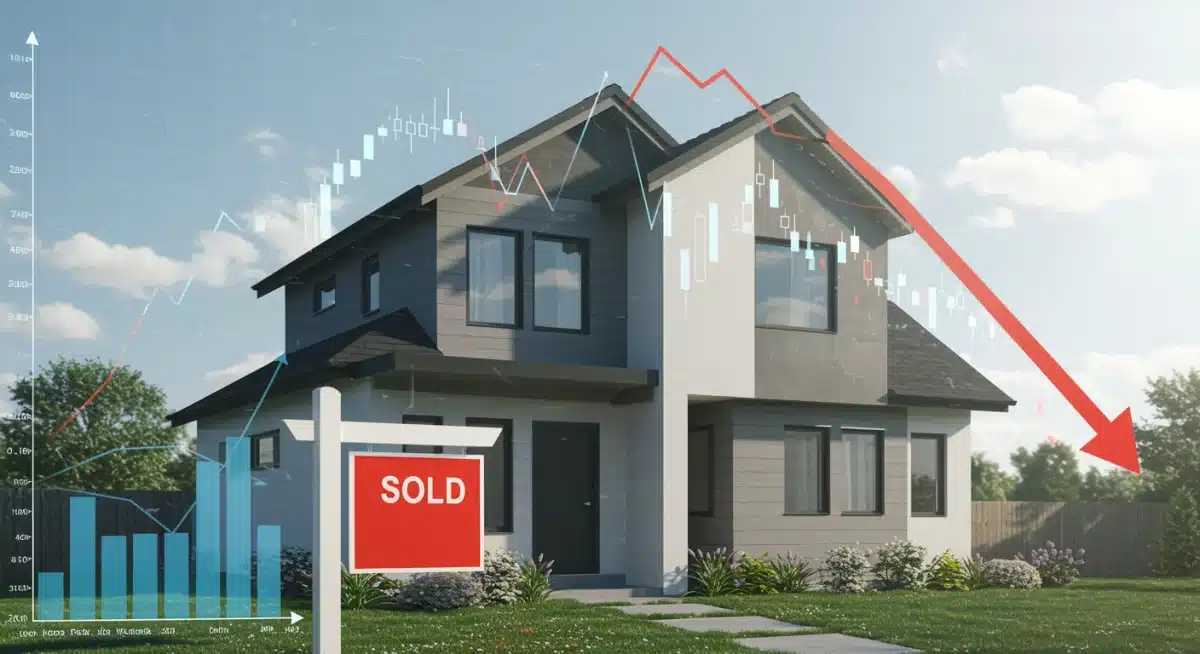
The 2026 housing market’s trajectory hinges on various economic forces, with many experts forecasting a stabilization of mortgage rates potentially below 6% as inflation moderates and central banks adjust monetary policies.
As we navigate the complexities of the current economic climate, a crucial question for prospective homebuyers, current owners, and investors alike is: Understanding the 2026 Housing Market: Will Mortgage Rates Stabilize Below 6%? This query is not just about a numerical threshold; it represents a significant shift in affordability and market dynamics, impacting millions across the United States. Delving into this topic requires a close examination of macroeconomic trends, Federal Reserve policies, and evolving consumer behavior.
The Economic Landscape Influencing 2026 Mortgage Rates
The economic backdrop for 2026 will be instrumental in shaping mortgage rate movements. Several key indicators, including inflation, GDP growth, and employment figures, will play a pivotal role. A sustained period of disinflation, where price increases slow down, is often a precursor to lower interest rates, as central banks gain more flexibility to ease monetary policy.
Furthermore, global economic stability and geopolitical events can also ripple through financial markets, affecting bond yields which directly influence mortgage rates. A stable global environment tends to foster investor confidence, potentially leading to lower long-term interest rates.
Inflationary Pressures and the Federal Reserve’s Stance
The Federal Reserve’s primary mandate is to maintain price stability and maximize employment. Their decisions on the federal funds rate have a direct, albeit sometimes delayed, impact on mortgage rates. If inflation continues its downward trend towards the Fed’s target of 2%, there’s a strong likelihood that the Fed will consider rate cuts, which would subsequently alleviate pressure on mortgage rates.
- Core Inflation Trends: Monitoring core inflation, which excludes volatile food and energy prices, provides a clearer picture of underlying price pressures.
- Fed’s Forward Guidance: Statements and projections from the Federal Reserve offer crucial insights into their future policy intentions.
- Market Expectations: Bond market reactions to economic data often pre-empt Fed actions, signaling potential rate shifts.
However, unexpected inflationary spikes or persistent supply-side issues could force the Fed to maintain a tighter monetary policy for longer, keeping mortgage rates elevated. The balance between combating inflation and supporting economic growth will be a delicate one.
In conclusion, the 2026 economic landscape, particularly the trajectory of inflation and the Federal Reserve’s response, will be the primary determinants of whether mortgage rates can stabilize below the 6% mark. A favorable economic environment characterized by moderating inflation and steady growth will be essential for such a scenario to unfold.
Supply and Demand Dynamics in the Housing Sector
Beyond macroeconomic forces, the fundamental principles of supply and demand within the housing market itself will significantly influence affordability and, indirectly, mortgage rates. A persistent shortage of housing inventory, coupled with sustained buyer demand, can keep home prices high, even if borrowing costs decline. Conversely, a surge in new construction could ease price pressures.
Demographic shifts, such as the entry of younger generations into homeownership and the migration patterns across different regions of the United States, will also play a crucial role. The desire for more space, remote work capabilities, and lifestyle changes continue to shape where and how people want to live.
Inventory Levels and New Construction Trends
The availability of homes for sale remains a critical factor. Years of underbuilding have created a significant housing deficit in many areas. While construction has picked up, it has yet to fully alleviate the supply crunch. Understanding the pace of new home completions and existing home listings will be key.
- Single-Family Starts: The number of new single-family homes being built provides an indicator of future inventory.
- Existing Home Sales: The volume of existing homes changing hands reflects both buyer demand and seller willingness.
- Builder Confidence: Surveys of home builders reveal their sentiment about current and future market conditions.
Should the pace of new construction accelerate significantly, it could lead to a more balanced market, potentially moderating home price appreciation. This, in turn, could make homeownership more attainable, even if mortgage rates remain somewhat elevated, though lower rates would certainly amplify affordability.
Ultimately, the interplay between the number of available homes and the pool of eager buyers will dictate the competitive landscape in 2026. A healthier balance could contribute to a more stable and predictable housing market, supporting the argument for mortgage rate stabilization.
Government Policies and Their Impact on Housing
Government policies, both at the federal and state levels, exert considerable influence over the housing market and, by extension, mortgage rates. Initiatives aimed at increasing housing supply, providing first-time buyer assistance, or regulating lending practices can all have profound effects. These policies can either stimulate demand or address supply-side constraints, thereby influencing the overall market equilibrium.
For instance, changes in zoning laws, tax incentives for homebuilders, or adjustments to mortgage insurance premiums can all alter the landscape for both buyers and sellers. Understanding the legislative priorities related to housing in 2026 will be crucial for predicting market behavior.
Regulatory Changes and Lending Standards
The regulatory environment for mortgage lending is constantly evolving. Stricter or looser lending standards can impact who qualifies for a mortgage and on what terms. While the subprime mortgage crisis led to significant tightening of regulations, policymakers are always looking for ways to balance consumer protection with access to credit.
- GSE Reform: Potential reforms to Government-Sponsored Enterprises (GSEs) like Fannie Mae and Freddie Mac could alter the secondary mortgage market.
- Affordability Programs: Federal and state programs designed to assist low-to-moderate income buyers can influence overall demand and market stability.
- Tax Code Adjustments: Changes to deductions for mortgage interest or property taxes could affect the financial incentives of homeownership.
Any significant shifts in these regulatory frameworks could either open up access to homeownership for more people, thereby increasing demand, or tighten the market further. The stability of these policies contributes to market predictability, which is often a factor in lenders’ willingness to offer competitive rates.
In summary, government policies and regulatory changes are not static; they are dynamic forces that can either support or hinder the stabilization of mortgage rates below 6%. A proactive and balanced policy approach that addresses both supply and demand challenges will be key for a healthy housing market in 2026.
The Role of Technology and Innovation in Real Estate
Technology continues to revolutionize the real estate industry, from how homes are searched for and financed to how they are built. Innovations in construction, such as modular housing and 3D printing, hold the potential to significantly increase housing supply and reduce costs. On the financing side, fintech solutions are streamlining the mortgage application process, potentially leading to greater efficiency and competitiveness among lenders.
Furthermore, data analytics and artificial intelligence are providing deeper insights into market trends, enabling more informed decision-making for both consumers and industry professionals. These technological advancements could contribute to a more transparent and efficient housing market in 2026.
Fintech Innovations in Mortgage Lending
The rise of financial technology (fintech) has already begun to disrupt traditional mortgage lending. Online lenders, automated underwriting systems, and blockchain-based transactions are making the process faster and more accessible. These innovations can foster greater competition, which could put downward pressure on lending costs, including mortgage rates.
- Digital Closings: The increasing adoption of digital closing processes can reduce administrative burdens and costs.
- AI-Powered Underwriting: Artificial intelligence can analyze vast amounts of data to assess creditworthiness more efficiently, potentially speeding up approvals.
- Personalized Loan Products: Fintech platforms can offer more tailored mortgage products based on individual borrower profiles.
While technology can enhance efficiency, it also introduces new considerations regarding data security and regulatory oversight. However, its overall impact is likely to be positive, contributing to a more agile and responsive mortgage market that could better adapt to changing economic conditions and potentially support lower rates.
The integration of technology and innovation across the real estate spectrum is a powerful force that could help to address some of the persistent challenges facing the housing market. By improving efficiency and reducing costs, technology holds the promise of contributing to a more stable and accessible housing environment, thereby supporting the stabilization of mortgage rates below 6% in 2026.
Consumer Behavior and Investor Sentiment
The collective psychology of consumers and investors plays a significant role in shaping the housing market. Buyer confidence, influenced by job security, wage growth, and overall economic outlook, directly impacts demand. Similarly, investor sentiment, driven by perceived returns and risk tolerance, can affect the flow of capital into real estate, including rental properties and new developments.
In 2026, if consumers feel more secure in their financial futures and believe that mortgage rates are stabilizing, it could unleash pent-up demand. Conversely, fear of an economic downturn or continued high rates could lead to a cautious approach, prolonging market sluggishness.
Psychology of Homebuyers and Sellers
The decision to buy or sell a home is often deeply personal and emotional. Factors such as a desire for stability, family growth, or lifestyle changes drive many transactions. However, economic considerations, like interest rates and home prices, heavily influence the timing of these decisions.
- Affordability Index: This index measures the percentage of households that can afford a median-priced home, providing insight into buyer capacity.
- Consumer Confidence Surveys: These surveys gauge how optimistic consumers are about the economy and their financial prospects.
- Mortgage Applications: The volume of mortgage applications serves as a real-time indicator of buyer interest and activity.
If potential homebuyers perceive that mortgage rates have reached a floor and are unlikely to go much lower, it could trigger a rush of activity. This ‘fear of missing out’ on lower rates can create a self-fulfilling prophecy, boosting demand. Likewise, sellers might be more willing to list their homes if they anticipate a robust buyer pool.
Ultimately, the interplay of individual financial situations with broader market sentiment will be critical. A positive outlook among consumers and investors, driven by stable economic conditions and predictable mortgage rates, will be essential for the 2026 housing market to thrive and for rates to settle below 6%.
Forecasting 2026: Paths to Mortgage Rate Stabilization
Projecting mortgage rates for 2026 involves synthesizing numerous economic, political, and social factors. While no forecast is absolute, several plausible scenarios could lead to the stabilization of rates below 6%. The most optimistic path involves a continued moderation of inflation, allowing the Federal Reserve to implement gradual interest rate cuts without reigniting inflationary pressures.
Another scenario considers the possibility of a mild economic slowdown, which could prompt the Fed to act more decisively to stimulate growth, thereby pushing rates lower. However, a significant recession would also bring its own set of challenges for the housing market, potentially dampening demand despite lower rates.
Key Indicators for Rate Prediction
To accurately assess the likelihood of mortgage rates stabilizing below 6%, several key economic indicators will require close monitoring. These include not just headline inflation figures but also wage growth, manufacturing output, and global economic stability. Each of these elements contributes to the broader economic picture that influences central bank decisions and bond market performance.
- 10-Year Treasury Yield: Often seen as a benchmark, movements in the 10-year Treasury yield frequently correlate with mortgage rate changes.
- PCE Price Index: The Personal Consumption Expenditures (PCE) price index is the Fed’s preferred inflation gauge, offering crucial insights.
- Unemployment Rate: A rising unemployment rate could signal economic weakness, potentially leading to accommodative monetary policy.
The consensus among many economists suggests a gradual easing of rates, provided inflation continues its downward trajectory. While a return to the historically low rates seen during the pandemic is unlikely, a stabilization below 6% is within the realm of possibility, offering a more favorable environment for homebuyers.
In conclusion, the path to mortgage rate stabilization below 6% in 2026 is multifaceted and dependent on a delicate balance of economic forces. While challenges remain, a combination of moderating inflation, thoughtful monetary policy, and increased housing supply could pave the way for a more accessible and predictable housing market.
| Key Factor | Impact on 2026 Mortgage Rates |
|---|---|
| Inflation Trends | Moderating inflation allows the Federal Reserve to potentially lower interest rates, reducing mortgage costs. |
| Federal Reserve Policy | Rate cuts by the Fed in response to economic data would directly lead to lower mortgage rates. |
| Housing Supply | Increased housing inventory can ease price pressures, making homeownership more accessible even with stable rates. |
| Economic Growth | Steady, non-inflationary growth supports consumer confidence and a stable market for lenders. |
Frequently Asked Questions About 2026 Mortgage Rates
Mortgage rates in 2026 will primarily be influenced by inflation trends, the Federal Reserve’s monetary policy decisions, the overall health of the U.S. economy, and the supply-demand balance within the housing market. Global economic stability also plays a role.
The likelihood of mortgage rates falling below 6% in 2026 depends heavily on continued disinflation and the Federal Reserve initiating rate cuts. Many economists project a gradual easing, making stabilization below 6% a plausible, though not guaranteed, scenario.
While a significant housing market downturn could prompt the Federal Reserve to lower rates to stimulate the economy, it would also bring economic instability. Lower rates in such a scenario might be offset by reduced buyer confidence and tighter lending standards.
Government housing policies can influence rates indirectly by impacting supply and demand. Policies promoting new construction could stabilize prices, while first-time buyer incentives might increase demand. Regulatory changes in lending also play a role in market dynamics.
If rates stabilize below 6%, potential homebuyers should focus on their overall financial health, including credit score and debt-to-income ratio. They should also consider market inventory in their desired areas and secure pre-approval to act swiftly when opportunities arise.
Conclusion
The journey to Understanding the 2026 Housing Market: Will Mortgage Rates Stabilize Below 6%? is a nuanced one, influenced by a confluence of macroeconomic indicators, central bank policies, supply-demand dynamics, technological advancements, and consumer sentiment. While the exact trajectory remains uncertain, a prevailing outlook suggests a moderate path towards stabilization. Should inflation continue its retreat and the Federal Reserve adopt a more accommodative stance, the prospect of mortgage rates settling below 6% becomes increasingly tangible. This would undoubtedly offer a much-needed reprieve for homebuyers and contribute to a more balanced and accessible housing market. Navigating this landscape will require continuous monitoring of key economic data and a keen understanding of both national and local market conditions.