Renewable Energy Investments 2026: High Returns & Growth Opportunities
Investing in Renewable Energy: 2026 Opportunities with Up to 15% Returns
The global energy landscape is undergoing a profound transformation, driven by an urgent need to combat climate change, enhance energy security, and foster sustainable economic growth. At the forefront of this revolution are renewable energy investments, which are not only pivotal for environmental stewardship but also present some of the most compelling financial opportunities of our time. As we look towards 2026, the sector is poised for unprecedented expansion, offering investors the potential for robust returns, with many segments projecting annual gains of up to 15% or even higher.
This comprehensive guide delves into the dynamic world of renewable energy investments, exploring the key drivers, burgeoning opportunities, and strategic considerations for both seasoned and novice investors. We will uncover why 2026 is shaping up to be a landmark year for green finance, pinpointing the sectors with the most promising growth trajectories and outlining how to navigate this exciting market effectively.
The Irresistible Momentum Behind Renewable Energy Investments
The shift towards renewable energy is no longer a niche trend but a global imperative, underpinned by a confluence of factors that make renewable energy investments increasingly attractive:
Global Climate Pledges and Policy Support
Nations worldwide are committing to ambitious decarbonization targets, translating into robust policy frameworks, subsidies, and incentives for renewable energy projects. Agreements like the Paris Accord, coupled with national and regional green deal initiatives, are creating a stable and predictable environment for long-term investments. Tax credits, feed-in tariffs, and renewable portfolio standards are just a few examples of policies actively de-risking and accelerating renewable energy deployment.
Technological Advancements and Cost Reductions
Innovation continues to drive down the cost of renewable energy technologies. Solar photovoltaic (PV) panels and wind turbines have seen dramatic cost reductions over the past decade, making them increasingly competitive with, and often cheaper than, fossil fuel alternatives. Breakthroughs in energy storage solutions, smart grid technologies, and advanced materials are further enhancing efficiency, reliability, and scalability, making renewable energy investments more viable than ever.
Increasing Corporate and Consumer Demand for Sustainability
ESG (Environmental, Social, and Governance) considerations are now central to corporate strategies and consumer choices. Businesses are increasingly seeking to power their operations with clean energy, while consumers are demanding sustainable products and services. This growing demand creates a powerful market pull for renewable energy, offering companies involved in the sector a distinct competitive advantage and strong growth prospects.
Energy Security and Geopolitical Stability
Reliance on volatile fossil fuel markets and geopolitical tensions underscore the importance of energy independence. Renewable energy sources, being indigenous and distributed, offer enhanced energy security, reducing vulnerability to supply chain disruptions and price fluctuations. This strategic advantage further bolsters the case for sustained renewable energy investments.
Key Sectors for Renewable Energy Investments in 2026
While the entire renewable energy sector is brimming with potential, certain segments are particularly poised for significant growth and high returns in 2026:
Solar Power: The Perennial Powerhouse
Solar energy remains a cornerstone of the renewable transition. The falling costs of PV technology, coupled with innovations in bifacial panels, floating solar, and integrated solar solutions for buildings, ensure its continued dominance. Distributed solar (rooftop installations for homes and businesses) and utility-scale solar farms are both experiencing rapid expansion. Investors can look at solar project development, manufacturing of solar components, or even solar financing companies.

Expected Returns: 8-15% annually, depending on project type, geographical location, and regulatory support.
Wind Energy: Onshore and Offshore Giants
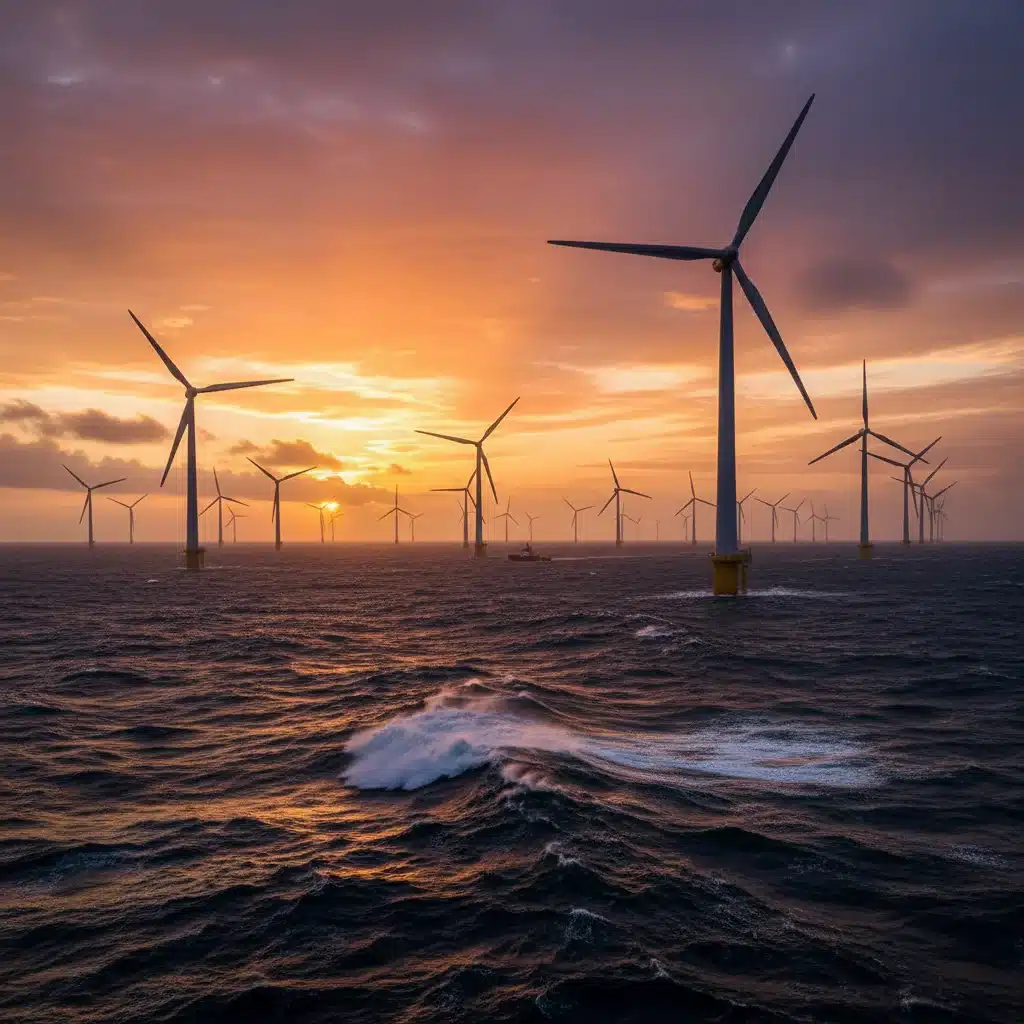
Wind power, especially offshore wind, is set for massive growth. Offshore wind farms benefit from stronger, more consistent winds and larger scales, making them highly efficient. Onshore wind continues to evolve with larger, more efficient turbines. Investment opportunities exist in wind farm development, turbine manufacturing, operations and maintenance, and specialized logistics for offshore projects.
Expected Returns: 7-12% annually, with offshore projects potentially offering higher long-term returns due to scale and stability.
Energy Storage Solutions: The Grid’s Future
The intermittency of solar and wind power necessitates robust energy storage solutions. Lithium-ion batteries currently dominate, but innovations in solid-state batteries, flow batteries, and other long-duration storage technologies are rapidly emerging. Investment in battery manufacturing, grid-scale storage projects, and residential battery systems is critical. This sector is a vital enabler for higher penetration of renewables and offers significant upside potential as technology matures and demand escalates.
Expected Returns: 10-18% annually, reflecting the high growth and innovation within this essential sector.
Green Hydrogen: The Next Frontier
Green hydrogen, produced by electrolyzing water using renewable electricity, is emerging as a critical solution for decarbonizing hard-to-abate sectors like heavy industry, long-haul transport, and aviation. While still in its nascent stages compared to solar and wind, significant government and private sector investments are pouring into green hydrogen projects, making it a high-potential, albeit higher-risk, frontier for renewable energy investments.
Expected Returns: Long-term potential for very high returns (20%+), but with higher volatility in the short to medium term due to technological scale-up and market development.
Smart Grids and Digitalization
The integration of diverse renewable energy sources into existing grids requires intelligent infrastructure. Smart grids, powered by AI, IoT, and advanced analytics, optimize energy distribution, manage demand response, and enhance grid resilience. Companies developing and deploying these technologies are crucial to the renewable transition and offer compelling investment prospects.
Expected Returns: 9-14% annually, driven by the indispensable role of these technologies in modern energy systems.
Investment Vehicles for Renewable Energy Investments
Investors have a variety of avenues to participate in the growth of renewable energy investments:
Publicly Traded Companies
Investing in stocks of companies directly involved in renewable energy (e.g., manufacturers of solar panels or wind turbines, utility companies with significant renewable portfolios, energy storage providers) offers liquidity and diversification. Exchange-Traded Funds (ETFs) focused on clean energy or ESG themes provide an easy way to gain broad exposure to the sector.
Green Bonds
Green bonds are fixed-income instruments specifically designed to fund environmentally friendly projects. They offer a relatively lower-risk entry point into sustainable finance, appealing to investors seeking stable returns while supporting green initiatives. The market for green bonds has been expanding rapidly, providing ample opportunities for fixed-income investors.
Private Equity and Venture Capital
For accredited investors, private equity and venture capital funds specializing in renewable energy offer access to early-stage companies and large-scale infrastructure projects. While these investments typically require higher capital commitments and have longer lock-up periods, they can offer substantial returns due to direct involvement in high-growth ventures and project development.
Crowdfunding and Direct Project Investment
Platforms allowing individuals to invest directly in specific renewable energy projects (e.g., a community solar farm) are gaining traction. These can offer attractive returns and a direct impact, though they often come with higher project-specific risks and less liquidity.
Navigating Risks and Maximizing Returns
While the outlook for renewable energy investments is overwhelmingly positive, potential risks need careful consideration:
Policy and Regulatory Changes
Government policies and subsidies are crucial drivers. Changes in these frameworks can impact project economics. Diversifying across different geographies and technologies can mitigate this risk.
Technological Obsolescence
Rapid technological advancements, while beneficial overall, can lead to older technologies becoming obsolete. Investing in companies with strong R&D capabilities and a focus on innovation can help mitigate this.
Supply Chain Disruptions
Global supply chain issues, as seen recently, can affect the availability and cost of components. Investing in companies with diversified supply chains or local manufacturing capabilities can be advantageous.
Project Execution Risks
Large-scale renewable energy projects involve construction, permitting, and operational risks. Thorough due diligence on project developers and their track record is essential.
Market Competition
As the sector grows, competition intensifies. Investors should look for companies with strong competitive advantages, such as proprietary technology, established market share, or unique project development expertise.
The Environmental and Social Impact of Green Investments
Beyond financial returns, renewable energy investments offer profound environmental and social benefits:
- Climate Change Mitigation: Reducing greenhouse gas emissions is paramount to preventing catastrophic global warming. Every dollar invested in renewables contributes directly to a cleaner, healthier planet.
- Improved Public Health: Shifting away from fossil fuels reduces air pollution, leading to fewer respiratory illnesses and a higher quality of life for communities.
- Job Creation: The renewable energy sector is a significant job creator, fostering employment in manufacturing, installation, operations, and research and development.
- Energy Access: Distributed renewable energy solutions can bring electricity to remote areas, improving living standards and economic opportunities for underserved populations.
- Resource Conservation: Renewables reduce the need for finite fossil fuels and minimize environmental degradation associated with their extraction and transportation.
Case Studies: Success Stories in Renewable Energy Investments
To illustrate the potential, consider some examples:
Orsted (Offshore Wind)
A Danish multinational power company, Ørsted, has transformed itself from a fossil fuel-intensive utility into a global leader in offshore wind. Early institutional investors in Ørsted have seen substantial returns as the company expanded its project pipeline and expertise, demonstrating the long-term growth potential in established renewable energy giants.
Enphase Energy (Solar Microinverters)
Enphase, a US-based energy technology company, specializes in microinverter technology for solar panels. Their innovative solutions have driven significant efficiency gains and reliability for residential and commercial solar installations. Investors who recognized their technological edge early on have enjoyed impressive stock performance, showcasing the value of investing in key component suppliers and technology innovators within the solar ecosystem.
NextEra Energy (Renewable Utility)
NextEra Energy is one of the largest electric power utility holding companies in the United States, with a significant portfolio of renewable energy generation. Their strategic shift towards renewables has positioned them as a leader in sustainable utilities, providing stable dividends and growth for shareholders. This exemplifies how traditional energy players can successfully pivot and thrive in the new energy economy.
The Future Outlook for Renewable Energy Investments Beyond 2026
The trajectory for renewable energy investments extends far beyond 2026. The global energy transition is a multi-decade endeavor, implying sustained growth and innovation in the sector for the foreseeable future. Key trends that will shape the landscape include:
- Increased Electrification: More sectors (transportation, heating, industry) will electrify, driving demand for clean electricity.
- Decentralization: The rise of localized energy generation and microgrids will empower communities and increase grid resilience.
- Digital Integration: AI, machine learning, and advanced analytics will play an even greater role in optimizing energy systems.
- New Technologies: Fusion energy, advanced geothermal, and carbon capture utilization and storage (CCUS) linked with renewable energy will continue to develop, offering future investment avenues.
- Circular Economy Principles: Focus on recycling and repurposing renewable energy components (e.g., solar panels, battery components) will grow, creating new business models.
Conclusion: A Green Path to Prosperity
Renewable energy investments are at the nexus of environmental responsibility and financial prosperity. As we approach 2026, the confluence of supportive policies, technological breakthroughs, increasing demand, and a global commitment to sustainability creates an unparalleled investment landscape. With potential returns of up to 15% and beyond, coupled with the undeniable positive impact on our planet, investing in renewable energy is not just a smart financial decision but a contribution to a sustainable future for all.
By carefully evaluating the market, understanding the various investment vehicles, and focusing on high-growth areas like solar, wind, and energy storage, investors can position themselves to benefit significantly from this green revolution. The time to invest in renewable energy is now, laying the groundwork for a resilient, clean, and profitable portfolio for years to come.