Congress Approves 2026 Infrastructure Bill: $300 Billion for Green Energy
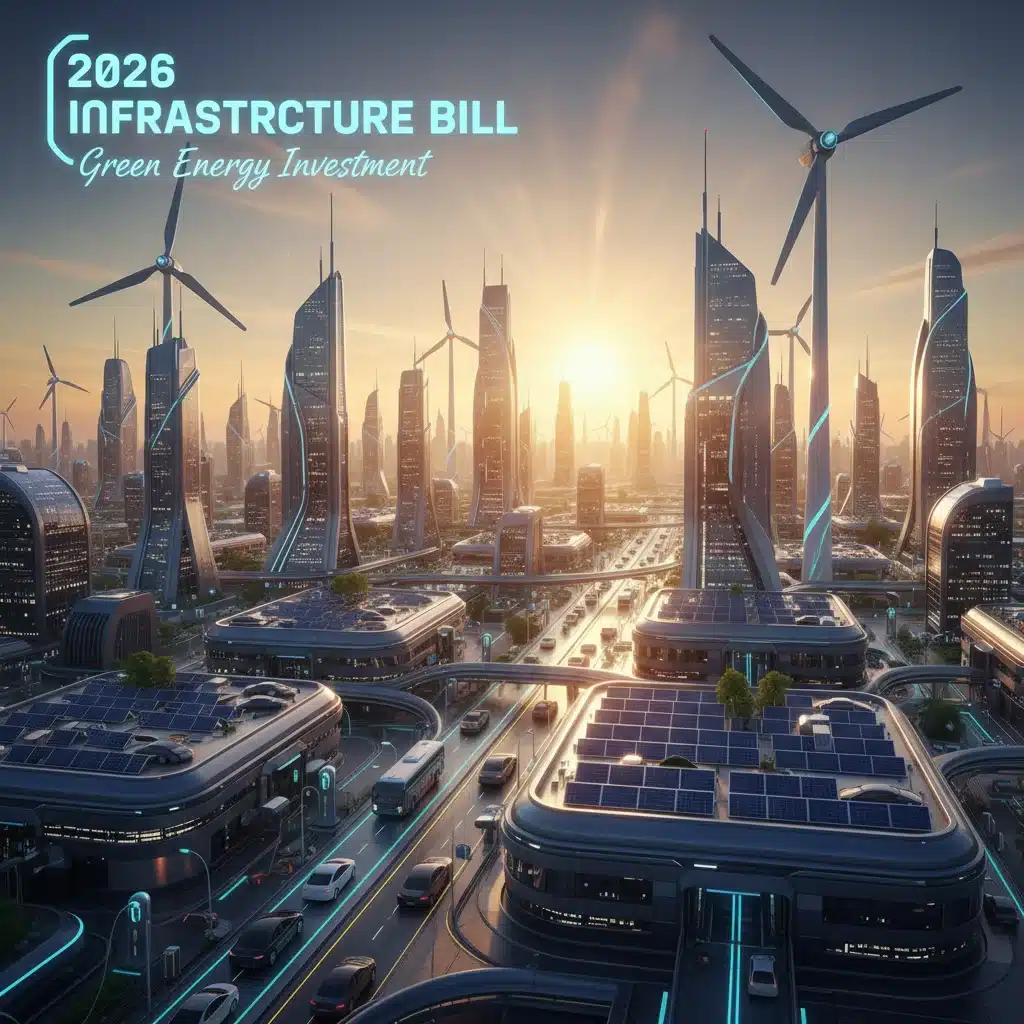
New Legislation Alert: Congress Approves 2026 Infrastructure Bill with 300 Billion for Green Energy Projects
In a landmark decision poised to reshape the nation’s energy landscape and economic future, Congress has officially approved the 2026 Infrastructure Bill. This monumental piece of legislation, years in the making, earmarks an unprecedented $300 billion specifically for green energy projects. The approval signifies a profound commitment to sustainable development, climate resilience, and technological innovation, promising far-reaching impacts across various sectors of the economy and society.
The passage of the 2026 Infrastructure Bill is not merely an allocation of funds; it represents a strategic pivot towards a future where energy independence, environmental stewardship, and economic growth are inextricably linked. This article delves into the intricacies of this historic bill, exploring its core objectives, the types of green energy projects it will fund, its potential economic implications, and the challenges and opportunities that lie ahead.
The Genesis of the 2026 Infrastructure Bill: A Call for Change
The journey to the 2026 Infrastructure Bill has been a long and arduous one, fueled by growing concerns over climate change, aging infrastructure, and the need for a more resilient and sustainable energy system. For decades, experts and policymakers have advocated for substantial investments in renewable energy and modern infrastructure to mitigate environmental degradation, reduce reliance on fossil fuels, and enhance national security.
The escalating frequency and intensity of extreme weather events, coupled with the urgent scientific consensus on climate change, have created an undeniable imperative for action. This growing awareness culminated in a bipartisan effort to craft legislation that addresses these critical issues head-on. The bill’s proponents argued that investing in green infrastructure is not just an environmental necessity but also an economic opportunity, capable of creating millions of jobs, stimulating innovation, and positioning the nation as a global leader in sustainable technologies.
Previous attempts at comprehensive infrastructure reform often faltered due to political gridlock and disagreements over funding mechanisms. However, the unique confluence of economic recovery needs post-global challenges, coupled with a renewed sense of urgency regarding climate action, provided the necessary impetus for the 2026 Infrastructure Bill to gain traction and ultimately secure congressional approval. This bill is a testament to the power of collective will and a shared vision for a more sustainable and prosperous future.
Key Pillars of the Green Energy Investment: $300 Billion Breakdown
The $300 billion allocated to green energy projects within the 2026 Infrastructure Bill is strategically distributed across several key areas, each designed to address specific facets of the energy transition. This comprehensive approach aims to create a robust and interconnected green energy ecosystem.
Renewable Energy Expansion
A significant portion of the funding is dedicated to expanding renewable energy sources. This includes substantial investments in solar farms, wind power installations (both onshore and offshore), and geothermal energy projects. The goal is to accelerate the deployment of these technologies, making them more accessible and cost-effective across the country. Incentives for private sector investment in renewable energy generation are also a core component, encouraging a hybrid public-private partnership model for rapid scaling.
Grid Modernization and Smart Grid Development
Recognizing that a modern energy system requires a modern grid, a substantial sum is earmarked for grid modernization. This involves upgrading existing power lines, implementing smart grid technologies, and enhancing energy storage capabilities. A resilient and intelligent grid is crucial for integrating intermittent renewable energy sources effectively, reducing transmission losses, and improving the overall reliability of the power supply. The bill emphasizes the development of microgrids and distributed energy resources to enhance local energy independence and resilience against disruptions.
Electric Vehicle (EV) Infrastructure
To support the transition to electric transportation, the 2026 Infrastructure Bill allocates funds for building a nationwide network of EV charging stations. This initiative aims to alleviate range anxiety, making electric vehicles a more viable option for a larger segment of the population. Investments will also be made in research and development for advanced battery technologies and hydrogen fuel cell infrastructure, pushing the boundaries of sustainable transportation.
Energy Efficiency and Conservation
Beyond generating clean energy, the bill also focuses on reducing energy consumption through efficiency and conservation measures. This includes funding for retrofitting public buildings with energy-efficient technologies, offering incentives for homeowners and businesses to adopt similar measures, and promoting innovative solutions for industrial energy optimization. These efforts are expected to significantly reduce overall energy demand, complementing the increased supply of renewable energy.
Research and Development (R&D) in Emerging Green Technologies
A forward-looking aspect of the bill is its commitment to R&D. A portion of the $300 billion will fund research into next-generation green technologies, such as advanced nuclear power (small modular reactors), carbon capture and storage (CCS) technologies, and novel energy storage solutions. This investment is crucial for maintaining a competitive edge in the global green technology race and addressing future energy challenges.
Economic Impact and Job Creation: A Green Revolution
The approval of the 2026 Infrastructure Bill is widely anticipated to usher in a period of significant economic growth and job creation. The $300 billion investment in green energy projects is not just an expenditure; it’s a catalyst for a new economic paradigm centered on sustainability.
Economists project that the bill could create millions of direct and indirect jobs across various sectors. The construction of new solar and wind farms, the manufacturing of EV components, the installation of charging infrastructure, and the modernization of the electrical grid will all require a substantial workforce. This includes engineers, construction workers, technicians, researchers, and project managers, many of whom will be employed in high-skilled, well-paying jobs.
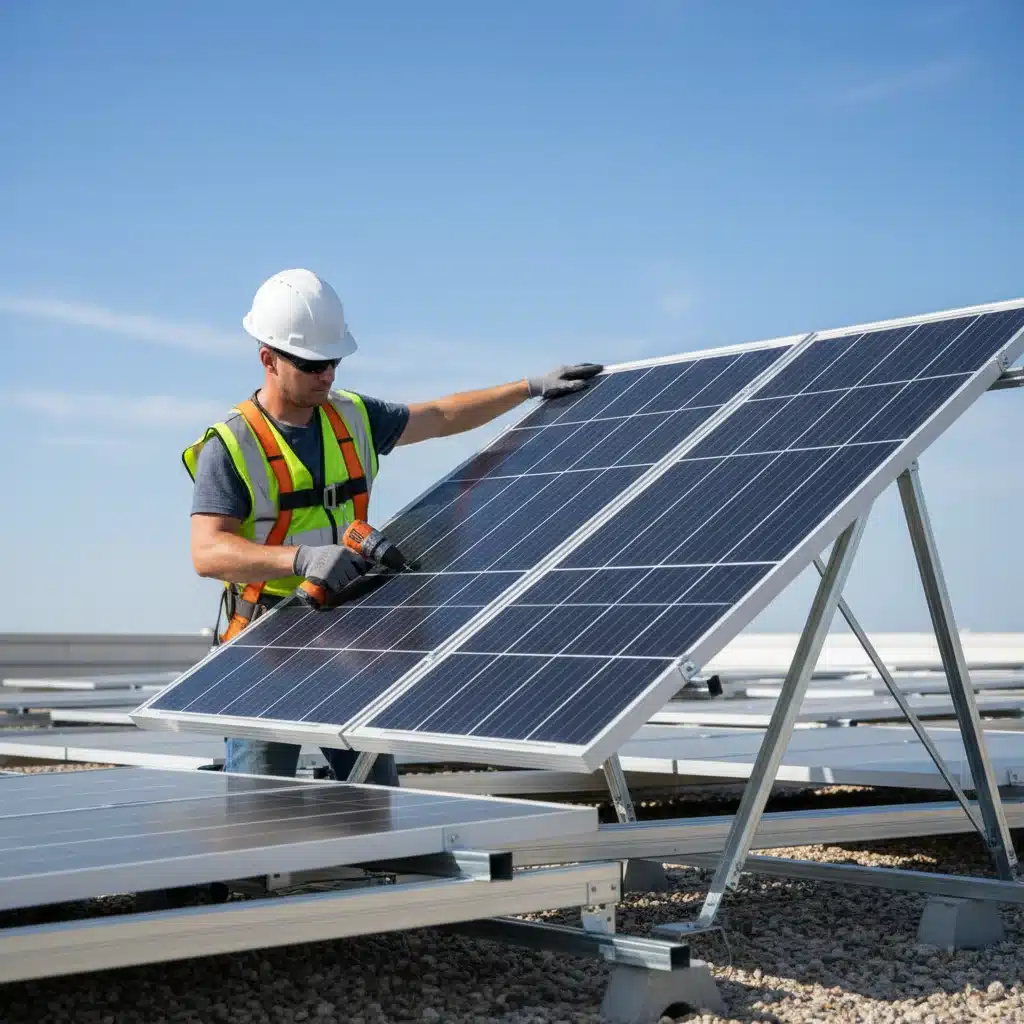
Furthermore, the increased demand for green technologies and services will stimulate innovation and entrepreneurship. Small and medium-sized businesses specializing in renewable energy solutions, energy efficiency audits, and sustainable manufacturing are expected to thrive. This ripple effect will extend throughout the supply chain, benefiting a wide array of industries from raw materials suppliers to software developers.
The long-term economic benefits are equally compelling. A robust green energy infrastructure will lead to lower energy costs, reduced volatility in energy prices, and enhanced energy security. Businesses will benefit from stable and affordable energy, making the nation a more attractive place for investment and manufacturing. Moreover, the transition to a cleaner economy is expected to reduce healthcare costs associated with pollution and improve public health outcomes, indirectly boosting economic productivity.
Environmental Benefits: A Cleaner, Greener Future
At its core, the 2026 Infrastructure Bill is a powerful tool for environmental protection and climate action. The shift towards green energy sources will significantly reduce greenhouse gas emissions, a primary driver of climate change. By investing in solar, wind, and other renewables, the nation will decrease its reliance on fossil fuels, leading to cleaner air and water.
The bill’s emphasis on energy efficiency and conservation will further amplify these environmental benefits. By reducing overall energy consumption, the demand for even clean energy generation is lowered, leading to a more sustainable resource utilization model. The development of advanced energy storage solutions will also help stabilize the grid, ensuring that renewable energy can be harnessed effectively even when the sun isn’t shining or the wind isn’t blowing.
Beyond climate change mitigation, the bill’s provisions will contribute to biodiversity conservation and ecosystem restoration. Reduced pollution from power plants and vehicles will improve air quality in urban centers and protect sensitive ecosystems from acid rain and other environmental stressors. The promotion of sustainable land use practices in the context of renewable energy development will also be a key consideration, ensuring that environmental benefits are maximized while minimizing any potential negative impacts.
Challenges and Opportunities in Implementation
While the passage of the 2026 Infrastructure Bill is a cause for celebration, its successful implementation will not be without challenges. The sheer scale of the investment and the complexity of the projects demand meticulous planning, coordination, and execution.
Permitting and Siting
One significant challenge will be streamlining the permitting and siting processes for new green energy projects. Large-scale solar and wind farms, as well as new transmission lines, often face regulatory hurdles and local opposition. The bill will need to facilitate efficient approval processes while ensuring environmental protections and community engagement are upheld.
Workforce Development
While the bill is expected to create numerous jobs, there is a critical need to ensure a skilled workforce is available to fill them. Investments in education, vocational training, and apprenticeship programs will be essential to equip workers with the necessary skills for the green energy sector. This includes training for solar panel installers, wind turbine technicians, smart grid engineers, and EV charging infrastructure specialists.
Supply Chain Resilience
The global supply chain for green energy components, such as rare earth minerals for batteries and specialized materials for solar panels, can be vulnerable to disruptions. The bill presents an opportunity to strengthen domestic manufacturing capabilities and diversify supply chains, reducing reliance on single sources and enhancing national energy security.
Technological Advancements and Integration
The rapid pace of technological change in the green energy sector means that ongoing research and development will be crucial. The bill must remain adaptable to integrate new innovations and ensure that investments are made in the most promising and efficient technologies. Seamless integration of diverse green energy sources into the existing grid infrastructure will also require sophisticated technical solutions and robust cybersecurity measures.

Despite these challenges, the opportunities presented by the 2026 Infrastructure Bill are immense. It offers a chance to modernize the nation’s infrastructure, create a sustainable economy, and lead the global fight against climate change. By embracing innovation, fostering collaboration, and maintaining a long-term vision, the nation can fully realize the transformative potential of this historic legislation.
Comparison with Previous Infrastructure Initiatives
To fully appreciate the significance of the 2026 Infrastructure Bill, it’s helpful to place it in historical context. While previous administrations have initiated infrastructure projects, none have matched the scale and specific focus on green energy that this bill embodies. Historically, infrastructure spending often prioritized traditional projects like roads, bridges, and conventional power plants, with renewable energy receiving comparatively smaller allocations.
For instance, past stimulus packages included infrastructure components, but the emphasis was often on maintaining existing infrastructure rather than fundamentally transforming the energy matrix. The American Recovery and Reinvestment Act of 2009, while including green energy provisions, was primarily a broad economic stimulus. The 2026 Infrastructure Bill, by contrast, explicitly allocates a staggering $300 billion to green energy, signaling a dedicated and strategic shift.
This bill reflects a maturing understanding of infrastructure in the 21st century. It recognizes that ‘infrastructure’ now extends beyond physical conduits to encompass digital networks, energy grids, and ecological resilience. The focus on smart grids, EV charging networks, and advanced energy storage differentiates it from predecessors, demonstrating a forward-thinking approach that integrates technological advancements with environmental imperatives. This is not merely an upgrade; it’s a complete reimagining of the nation’s foundational systems.
Anticipated Impact on Different Sectors
The ripple effects of the 2026 Infrastructure Bill will be felt across numerous sectors, creating both opportunities and necessitating adjustments.
Energy Sector
The most direct impact will be on the energy sector. Traditional fossil fuel industries may face increased competition and pressure to diversify, while renewable energy companies are poised for unprecedented growth. Utilities will need to adapt to a more decentralized and dynamic grid, integrating various renewable sources and managing bidirectional energy flows. This will spur innovation in energy management systems and grid cybersecurity.
Manufacturing and Technology
The demand for components like solar panels, wind turbine blades, batteries, and electric vehicle parts will drive a manufacturing boom. This could lead to a resurgence in domestic manufacturing, creating jobs and reducing reliance on foreign supply chains. Technology companies specializing in AI for grid optimization, energy storage solutions, and smart city infrastructure will also see significant opportunities.
Transportation
The investment in EV charging infrastructure will accelerate the adoption of electric vehicles, transforming the automotive industry. This will also impact urban planning, as cities adapt to accommodate charging stations and potentially electric public transit fleets. The bill’s focus on sustainable transportation could also spur development in high-speed rail and other low-carbon transit options.
Construction and Engineering
The construction industry will be heavily involved in building new renewable energy facilities, upgrading the grid, and installing EV charging stations. Engineering firms will be crucial for designing these complex projects, from large-scale offshore wind farms to intricate smart grid architectures. This will require a skilled workforce, highlighting the importance of ongoing training and education.
Real Estate and Urban Development
As green energy becomes more prevalent, real estate development will likely incorporate more sustainable features. Buildings with solar panels, efficient insulation, and EV charging capabilities will become standard. Urban planning will increasingly focus on creating energy-efficient and resilient communities, potentially leading to new zoning laws and building codes that incentivize green infrastructure.
The Role of Public-Private Partnerships
While the 2026 Infrastructure Bill provides substantial federal funding, the successful execution of its ambitious goals will heavily rely on robust public-private partnerships. Government funding often acts as seed capital, de-risking projects and attracting private investment that can accelerate deployment and innovation.
Private companies bring invaluable expertise, technological innovation, and efficiency to large-scale projects. Their involvement can help bridge funding gaps, introduce cutting-edge solutions, and ensure projects are completed on time and within budget. This collaborative model is particularly effective in complex sectors like renewable energy, where rapid technological evolution and specialized knowledge are paramount.
Mechanisms such as tax incentives, loan guarantees, and direct grants will encourage private sector participation. Furthermore, regulatory frameworks will need to be established to foster a predictable and attractive investment environment for private capital. Successful partnerships will involve clear communication, shared risk, and aligned objectives between government agencies, private enterprises, and local communities.
Looking Ahead: A Sustainable Legacy
The approval of the 2026 Infrastructure Bill marks a pivotal moment in the nation’s history. It is a bold declaration of intent to build a more sustainable, resilient, and prosperous future. The $300 billion investment in green energy is not just a financial commitment; it’s an investment in the health of the planet, the strength of the economy, and the well-being of future generations.
As the nation embarks on this green revolution, continuous monitoring, evaluation, and adaptation will be crucial. The success of the 2026 Infrastructure Bill will depend on effective implementation, transparent oversight, and the collective effort of policymakers, industry leaders, scientists, and citizens. This bill has the potential to create a lasting legacy, transforming how we power our homes, move our goods, and sustain our communities for decades to come.
The journey will undoubtedly present its share of challenges, but the vision of a cleaner, greener, and more energy-independent nation is a powerful motivator. The 2026 Infrastructure Bill is more than just legislation; it is a blueprint for a sustainable future, demonstrating a profound commitment to environmental stewardship and economic innovation on an unprecedented scale.