New Federal Emissions Regulations 2026: Achieving a 20% Reduction Target

The landscape of environmental policy is on the cusp of a significant transformation. As the global community grapples with the escalating challenges of climate change, national governments are stepping up their commitments to mitigate its impacts. A pivotal development on this front is the upcoming enforcement of new federal emissions regulations in 2026, which mandate an ambitious 20% reduction target. This comprehensive policy update is poised to redefine industrial practices, energy consumption, and infrastructure development across the nation. Understanding the intricacies of these regulations, their potential impacts, and the strategies for compliance is paramount for businesses, policymakers, and citizens alike.
The urgency behind these new federal emissions regulations stems from a growing body of scientific evidence underscoring the critical need to drastically cut greenhouse gas (GHG) emissions. The Intergovernmental Panel on Climate Change (IPCC) has consistently warned that without immediate and profound reductions in emissions, the world faces increasingly severe and irreversible consequences. These consequences include more frequent and intense heatwaves, rising sea levels, extreme weather events, and significant disruptions to ecosystems and human societies. By setting a clear and aggressive target of a 20% reduction by 2026, the government aims to accelerate the transition towards a more sustainable and resilient future.
This article will delve deep into the specifics of these new federal emissions regulations. We will explore the key components of the policy, identify the sectors most affected, discuss the challenges and opportunities they present, and outline potential strategies for achieving the 20% reduction target. Furthermore, we will examine the broader implications for the economy, technological innovation, and public health. Our goal is to provide a holistic understanding of this critical environmental initiative, equipping stakeholders with the knowledge needed to navigate the evolving regulatory environment effectively.
The Genesis of the 2026 Federal Emissions Regulations
The journey to the 2026 federal emissions regulations is a culmination of years of scientific research, international agreements, and domestic advocacy. Global efforts to combat climate change gained significant momentum with the Paris Agreement in 2015, where nations committed to limiting global warming to well below 2 degrees Celsius, preferably to 1.5 degrees Celsius, compared to pre-industrial levels. This agreement served as a powerful catalyst for individual countries to develop and implement their own Nationally Determined Contributions (NDCs) – pledges outlining their specific climate action plans.
Domestically, a convergence of factors has propelled the government towards these stringent new regulations. Public awareness of climate change impacts has grown significantly, driven by visible environmental changes and increased media coverage. This heightened public concern has translated into greater political will to address the issue head-on. Furthermore, advancements in renewable energy technologies and sustainable practices have demonstrated the feasibility and economic benefits of transitioning away from fossil fuels, making ambitious targets like a 20% reduction by 2026 more attainable.
The regulatory framework itself is likely to draw upon existing environmental statutes, such as the Clean Air Act, while introducing new mechanisms and enforcement protocols. It is expected that the regulations will be comprehensive, touching upon various sources of emissions, from industrial processes and power generation to transportation and agriculture. The 20% target is not merely an arbitrary number; it is a scientifically informed goal designed to put the nation on a trajectory consistent with global climate objectives and to avert the most catastrophic consequences of a warming planet. The meticulous planning involved in formulating these federal emissions regulations reflects a commitment to a sustainable future.
Key Components and Scope of the New Regulations
While the fine print of the 2026 federal emissions regulations is still being finalized, preliminary announcements and policy discussions indicate several key areas of focus. These regulations are expected to be broad in scope, impacting a wide array of economic sectors. Understanding these components is crucial for effective planning and compliance.
Energy Sector Transformation
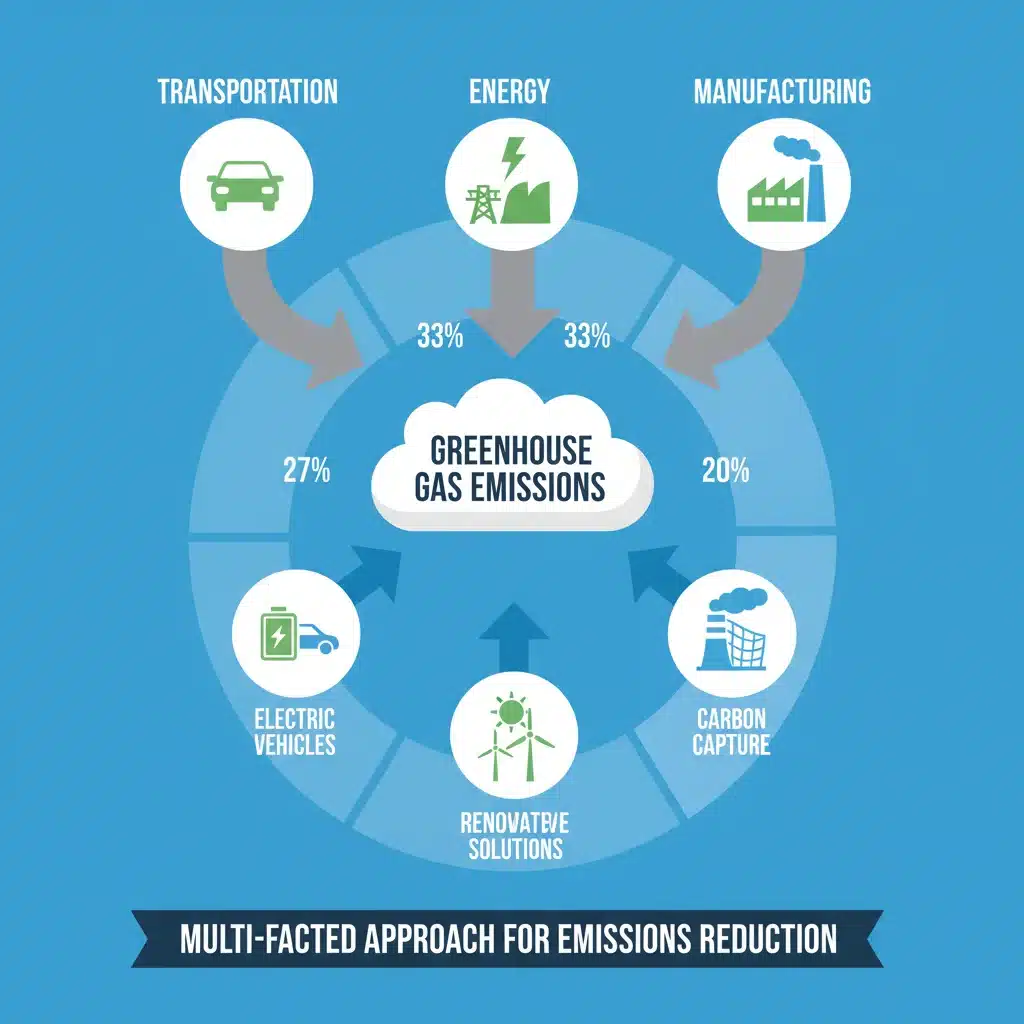
The energy sector, traditionally a major contributor to GHG emissions, will undoubtedly face significant changes. The regulations are likely to accelerate the retirement of coal-fired power plants and incentivize the development and deployment of renewable energy sources such as solar, wind, and hydropower. This could involve stricter emissions standards for existing power plants, carbon pricing mechanisms, or increased subsidies for clean energy projects. The goal is to rapidly decarbonize the electricity grid, making clean energy the dominant source of power.
Industrial Emissions Control
Heavy industries, including manufacturing, steel production, and chemical processing, are also under scrutiny. New federal emissions regulations will likely introduce more stringent limits on industrial pollutants and mandate the adoption of best available control technologies (BACT). This could include requirements for carbon capture, utilization, and storage (CCUS) technologies, improvements in energy efficiency within industrial processes, and the transition to cleaner fuels. Industries will need to invest in technological upgrades and process re-engineering to meet the new standards.
Transportation Sector Decarbonization
The transportation sector, encompassing road, rail, air, and marine transport, is another critical area for emissions reduction. The 2026 regulations are expected to push for a rapid shift towards electric vehicles (EVs) through incentives for consumers and manufacturers, expansion of charging infrastructure, and stricter fuel efficiency standards for internal combustion engine vehicles. Furthermore, there could be initiatives to promote public transportation, cycling, and walking, as well as the development of sustainable aviation and shipping fuels. The aim is to reduce tailpipe emissions significantly and promote cleaner mobility solutions.
Methane Emissions Reduction
Beyond carbon dioxide, methane is a potent greenhouse gas, and its reduction is a high priority. The new federal emissions regulations will likely target methane emissions from oil and gas operations, landfills, and agriculture. This could involve enhanced leak detection and repair programs for pipelines, improved waste management practices, and incentives for agricultural practices that reduce methane output from livestock and manure management. Addressing methane is a quick win in the fight against climate change due to its high global warming potential.
Land Use and Forestry
The regulations might also incorporate aspects related to land use and forestry, recognizing the role of natural carbon sinks. This could include incentives for afforestation and reforestation projects, sustainable forest management practices, and measures to prevent deforestation. Enhancing carbon sequestration in natural ecosystems is a vital complementary strategy to direct emissions reductions. The comprehensive nature of these federal emissions regulations underscores the multi-sectoral approach required to achieve the 20% target.
Challenges and Opportunities for Compliance
Meeting a 20% emissions reduction target by 2026 is an ambitious undertaking that will undoubtedly present both significant challenges and substantial opportunities for various stakeholders. The success of these federal emissions regulations hinges on effective implementation and widespread adoption.
Challenges:
- Economic Costs: The transition to cleaner technologies and practices will require substantial upfront investments from businesses and industries. These costs could include upgrading equipment, developing new infrastructure, and investing in research and development. Smaller businesses, in particular, may struggle to bear these financial burdens without adequate support.
- Technological Hurdles: While many clean technologies exist, their widespread deployment at scale still faces technological and logistical challenges. Innovations in areas like battery storage, carbon capture, and renewable energy integration are still evolving, and their full potential needs to be realized rapidly.
- Infrastructure Development: A significant shift in energy and transportation systems necessitates a massive overhaul of existing infrastructure. This includes expanding the electricity grid to support more renewables, building out EV charging networks, and developing new industrial processes.
- Workforce Transition: The move away from fossil fuel-dependent industries will impact employment in traditional sectors. There will be a need for comprehensive workforce retraining and development programs to equip workers with the skills required for the green economy.
- Political and Social Resistance: Any major policy change can face resistance from various groups, including industries concerned about competitiveness, regions dependent on fossil fuels, and consumers worried about potential cost increases. Building consensus and ensuring equitable transition will be crucial.
Opportunities:
- Innovation and Economic Growth: The push for emissions reduction will spur significant innovation in clean technologies, creating new industries, jobs, and export opportunities. Companies that embrace sustainability early can gain a competitive advantage.
- Improved Public Health: Reducing air pollution from fossil fuels will lead to significant public health benefits, including fewer respiratory illnesses, cardiovascular diseases, and premature deaths. This translates to reduced healthcare costs and improved quality of life.
- Energy Independence and Security: Greater reliance on domestic renewable energy sources can enhance national energy independence, reducing vulnerability to geopolitical instabilities and fluctuations in global fossil fuel markets.
- Enhanced Brand Reputation: Businesses and nations that demonstrate strong commitments to environmental sustainability often enjoy enhanced public image, consumer loyalty, and investor confidence.
- Long-Term Cost Savings: While initial investments may be high, transitioning to renewable energy and energy-efficient systems can lead to significant long-term operational cost savings due to lower fuel expenses and reduced exposure to carbon pricing. The long-term benefits of these federal emissions regulations far outweigh the initial challenges.
Strategies for Achieving the 20% Reduction Target
Achieving a 20% reduction in emissions by 2026 will require a multi-pronged approach involving government, industry, and individuals. A combination of regulatory mandates, economic incentives, technological advancements, and behavioral changes will be essential for the success of these federal emissions regulations.
Governmental Role:
- Clear Policy Framework: The government must provide a stable and predictable regulatory environment, clearly outlining the rules, targets, and enforcement mechanisms. This certainty is vital for businesses to make long-term investment decisions.
- Financial Incentives: Subsidies, tax credits, grants, and low-interest loans can help offset the initial costs of transitioning to cleaner technologies for businesses and consumers. Carbon pricing mechanisms, such as a carbon tax or cap-and-trade system, can also create strong economic signals for emissions reduction.
- Investment in R&D: Continued government funding for research and development in clean energy, carbon capture, and sustainable industrial processes is crucial for accelerating technological breakthroughs.
- Infrastructure Investment: Direct government investment in critical infrastructure, such as smart grids, EV charging networks, and public transportation, will facilitate the transition.
- International Collaboration: Engaging with other nations to share best practices, collaborate on technology development, and align climate policies can amplify national efforts.
Industry and Business Strategies:
- Energy Efficiency Upgrades: Implementing energy-efficient technologies and practices across all operations, from lighting and HVAC to industrial processes, can significantly reduce energy consumption and associated emissions.
- Renewable Energy Adoption: Investing in on-site renewable energy generation (e.g., rooftop solar) or purchasing renewable energy credits (RECs) can help businesses decarbonize their electricity supply.
- Supply Chain Decarbonization: Collaborating with suppliers to reduce emissions throughout the entire supply chain, from raw material extraction to product delivery, is becoming increasingly important.
- Process Innovation: Re-evaluating and re-engineering industrial processes to use fewer resources, generate less waste, and emit fewer pollutants. This could involve adopting circular economy principles.
- Carbon Management: For hard-to-abate sectors, exploring carbon capture, utilization, and storage (CCUS) technologies or investing in nature-based carbon sequestration projects can be viable strategies. These strategies will be key to navigating the new federal emissions regulations.
Individual and Community Actions:
- Sustainable Consumption: Making conscious choices about products and services, opting for those with lower carbon footprints, and reducing overall consumption.
- Energy Conservation: Simple actions like turning off lights, unplugging electronics, and using energy-efficient appliances can collectively make a big difference.
- Sustainable Transportation: Choosing public transport, cycling, walking, or electric vehicles over gasoline-powered cars whenever possible.
- Advocacy and Engagement: Supporting policies and initiatives that promote emissions reductions and holding elected officials accountable for climate action.
- Waste Reduction: Reducing, reusing, and recycling waste helps minimize emissions from landfills and manufacturing.
The Broader Impact of the 2026 Regulations
The implementation of the 2026 federal emissions regulations will have far-reaching effects beyond just environmental protection. These regulations are set to reshape various aspects of society and the economy, creating a ripple effect that will be felt for decades to come.
Economic Transformation:
The regulations will drive a substantial reallocation of capital towards green industries and technologies. This shift will create new markets, foster innovation, and generate employment opportunities in sectors like renewable energy, sustainable manufacturing, and environmental consulting. While some traditional industries may face disruption, the overall economic impact is expected to be a net positive, leading to a more resilient and sustainable economy. The focus on emissions reduction will also likely spur increased investment in R&D, positioning the nation as a leader in green technology.
Technological Advancements:
The ambitious 20% reduction target will accelerate the development and deployment of cutting-edge technologies. We can expect significant advancements in areas such as advanced battery storage, next-generation solar and wind power, smart grid technologies, sustainable agriculture practices, and innovative carbon capture solutions. These technological leaps will not only help meet the emissions targets but also offer export opportunities and enhance global competitiveness. The pressure from these federal emissions regulations will be a powerful driver of innovation.
Public Health Improvements:
Reduced emissions, particularly from fossil fuel combustion, will lead to cleaner air and water. This will have direct and significant benefits for public health, including a decrease in respiratory diseases, cardiovascular problems, and other health issues linked to pollution. Improved environmental quality will also lead to healthier ecosystems, supporting biodiversity and providing essential ecosystem services. The health dividends from these federal emissions regulations are substantial.
Social Equity and Justice:
As with any major policy shift, it is crucial to ensure that the benefits and burdens of these regulations are distributed equitably. Environmental justice considerations will be paramount, ensuring that communities historically overburdened by pollution receive adequate support during the transition and benefit from cleaner environments. Policies must be designed to prevent disproportionate impacts on vulnerable populations and to create pathways for inclusive participation in the green economy. Fair implementation of the federal emissions regulations is critical.
Global Leadership:
By setting and achieving ambitious emissions reduction targets, the nation can reclaim or strengthen its position as a global leader in climate action. This leadership can inspire other countries to increase their own climate commitments, foster international cooperation, and accelerate the worldwide transition to a low-carbon future. The credibility gained from meeting these federal emissions regulations will be invaluable on the international stage.

Conclusion: A Path Towards a Sustainable Future
The new federal emissions regulations slated for enforcement in 2026, with their ambitious 20% reduction target, represent a watershed moment in the nation’s environmental policy. This comprehensive initiative reflects a deep understanding of the climate crisis and a firm commitment to building a sustainable future. While the path to achieving these targets will be challenging, it is also replete with opportunities for innovation, economic growth, and improved public health.
Success will require a concerted effort from all sectors of society. Governments must provide clear guidance, robust incentives, and necessary infrastructure. Industries must embrace technological innovation, invest in sustainable practices, and re-evaluate their operational models. Individuals and communities must adopt more sustainable lifestyles and actively participate in advocacy and local initiatives. The collective action spurred by these federal emissions regulations will be the determinant factor in their success.
The 2026 deadline is not merely a regulatory milestone; it is a call to action, a moment for collective introspection and transformative change. By working together, we can meet this ambitious target, mitigate the worst impacts of climate change, and lay the groundwork for a healthier, more prosperous, and environmentally responsible future for generations to come. The implementation of these federal emissions regulations is not just about compliance; it’s about pioneering a new era of environmental stewardship and sustainable development.