EBT Card Benefits 2026: 6 Smart Ways to Stretch Your Food Budget by an Extra $50 Each Month
EBT Card Benefits 2026: 6 Smart Ways to Stretch Your Food Budget by an Extra $50 Each Month
In today’s economic climate, every dollar counts, especially when it comes to essential needs like food. For millions of Americans, the Electronic Benefit Transfer (EBT) card, part of the Supplemental Nutrition Assistance Program (SNAP), is a lifeline. But simply having an EBT card isn’t enough; knowing how to maximize its potential can significantly impact your household’s financial well-being and nutritional intake. As we look ahead to 2026, understanding the best strategies to stretch your EBT food benefits can help you save an additional $50 or more each month. This comprehensive guide will walk you through six smart ways to make your EBT dollars go further, ensuring your family has access to healthy, affordable food.
The landscape of food assistance programs is constantly evolving, and staying informed is key. While the core purpose of SNAP remains consistent – to provide food-purchasing assistance for low-income individuals and families – the ways in which beneficiaries can optimize their benefits are becoming more diverse and accessible. From leveraging local programs to adopting savvy shopping habits, there are numerous opportunities to enhance your purchasing power. Let’s delve into these practical strategies designed to empower you and your family.
Understanding Your EBT Card Benefits: A Foundation for Savings
Before diving into specific saving strategies, it’s crucial to have a solid understanding of how your EBT card works and what it covers. Your EBT card functions much like a debit card, allowing you to purchase eligible food items at authorized retail stores, including supermarkets, farmers’ markets, and even some online retailers. Eligible items generally include fruits, vegetables, meat, poultry, fish, dairy products, breads, cereals, and non-alcoholic beverages. Understanding these basics is the first step in effectively managing your EBT food benefits.
It’s important to remember that certain items are not covered by EBT, such as alcoholic beverages, tobacco, vitamins, medicines, hot foods prepared for immediate consumption, and non-food items like pet food, household supplies, and hygiene products. Being aware of these exclusions can help you plan your shopping trips more efficiently and avoid unexpected surprises at the checkout. Furthermore, regularly checking your EBT balance is a simple yet effective way to stay on top of your budget. Many states offer online portals or phone lines where you can quickly check your balance, allowing for better financial planning throughout the month.
Beyond the basics, many states and local communities offer additional programs that complement EBT, providing even greater opportunities for savings and access to nutritious food. These can include healthy food incentives, discounts at certain grocery stores, or educational programs on nutrition and budgeting. Staying informed about these local initiatives can significantly amplify your EBT food benefits and help you achieve your goal of stretching your budget by an extra $50 each month.
1. Strategic Meal Planning: The Cornerstone of EBT Savings
One of the most effective ways to stretch your EBT food benefits is through strategic meal planning. This isn’t just about deciding what to eat; it’s about making informed choices that minimize waste and maximize the nutritional value of your purchases. By dedicating a small amount of time each week to plan your meals, you can significantly reduce impulse buys and ensure every EBT dollar is spent wisely.
Start by taking inventory of what you already have in your pantry, refrigerator, and freezer. This prevents you from buying duplicates and helps you use up ingredients before they expire. Next, plan meals around versatile ingredients that can be used in multiple dishes. For example, a whole chicken can provide meat for a roasted dinner, chicken salad, and a flavorful broth for soup. Dried beans and lentils are also incredibly versatile and cost-effective protein sources that can be used in stews, salads, and even veggie burgers.
Consider planning meals that incorporate seasonal produce. Seasonal fruits and vegetables are often more affordable and fresher than their out-of-season counterparts. For example, in the summer, berries and corn are plentiful and cheaper, while root vegetables and citrus fruits are more economical in the winter. Integrating these into your meal plan not only saves money but also ensures you’re eating a diverse and nutrient-rich diet. Remember to factor in leftovers! Planning for larger portions means you can pack lunches or have quick dinners, further reducing the need for additional cooking or takeout.

2. Embrace Farmers’ Markets and Double Up Food Bucks Programs
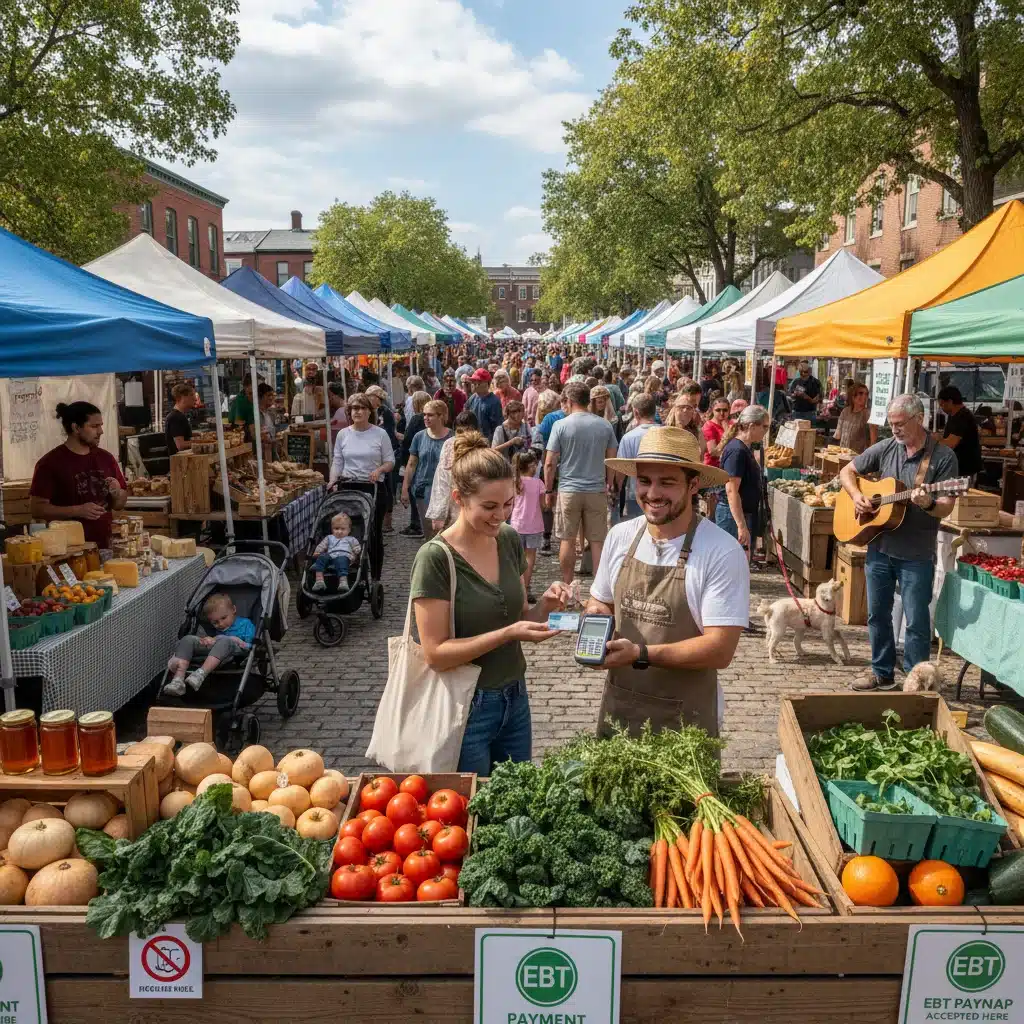
While large supermarkets are convenient, farmers’ markets offer a unique opportunity to maximize your EBT food benefits, especially when combined with programs like Double Up Food Bucks. Many farmers’ markets across the country are authorized to accept EBT cards, providing direct access to fresh, local produce. This not only supports local farmers but often means you’re getting higher quality, fresher ingredients at competitive prices.
The real game-changer at farmers’ markets for EBT users is the ‘Double Up Food Bucks’ or similar incentive programs. These initiatives match the value of your EBT dollars spent on fruits and vegetables, effectively doubling your purchasing power for healthy produce. For instance, if you spend $10 of your EBT benefits at a participating farmers’ market, you might receive an additional $10 in tokens or vouchers specifically for fresh fruits and vegetables. This means you get $20 worth of produce for just $10 of your EBT food benefits, a fantastic way to stretch your budget and bring home more nutritious food.
To find participating farmers’ markets and learn about Double Up Food Bucks programs in your area, visit the USDA’s SNAP Retailer Locator or check with your state’s SNAP agency. These programs are designed to make healthy eating more accessible and affordable, directly addressing food insecurity by empowering EBT users to purchase more fresh produce. Making a trip to your local farmers’ market, especially when these matching programs are available, can easily add an extra $10-$20 worth of food to your pantry each month without spending more of your EBT allocation.
3. Smart Grocery Shopping: Sales, Coupons, and Store Brands
Becoming a savvy grocery shopper is paramount to stretching your EBT food benefits. This involves more than just making a list; it means actively seeking out the best deals, utilizing coupons, and understanding the value of store brands. With a little effort, these habits can lead to significant monthly savings.
First, always check weekly store flyers and online advertisements for sales. Many grocery stores have rotating sales cycles, and planning your meals around these discounted items can save you a substantial amount. Don’t be afraid to stock up on non-perishable items or freezer-friendly foods when they are at their lowest prices. Buying in bulk (if the unit price is lower and you have storage space) for staples like rice, pasta, and canned goods can also be a smart move, but always compare the unit price to ensure it’s truly a deal.
Coupons, both digital and physical, are another excellent tool. Many grocery stores offer digital coupons through their apps or websites that can be loaded directly onto your loyalty card. Pair these with sales for even greater savings. While not all items will have coupons, consistently checking for them can add up over time. Remember, your EBT food benefits can be used for eligible food items purchased with coupons, so don’t hesitate to use them.
Finally, don’t overlook store brands or generic products. In many cases, store brand items are manufactured by the same companies that produce national brands but are sold at a lower price point. For basic items like flour, sugar, canned vegetables, and dairy products, the quality difference is often negligible, but the price difference can be significant. Opting for store brands whenever possible is a simple yet effective way to trim your grocery bill without compromising on quality or quantity, freeing up your EBT food benefits for other necessities.
4. Cook at Home and Prepare Meals from Scratch
Eating out, even occasionally, can quickly deplete your food budget. One of the most impactful ways to stretch your EBT food benefits is by cooking more meals at home and preparing them from scratch. This strategy offers multiple benefits: it’s generally healthier, allows for greater portion control, and is almost always more cost-effective than purchasing pre-made meals or dining out.
Cooking from scratch gives you full control over the ingredients, allowing you to choose healthier options and avoid excessive sodium, sugar, and unhealthy fats often found in processed foods. Furthermore, ingredients purchased with your EBT card can be transformed into multiple meals, maximizing their value. For instance, a bag of dried beans costs far less than several cans of prepared beans and can yield a much larger quantity when cooked at home. Similarly, making your own sauces, dressings, and baked goods can save you a considerable amount compared to buying their store-bought counterparts.
If you’re new to cooking or feel intimidated, start with simple, budget-friendly recipes. Websites and cookbooks abound with ideas for economical and nutritious meals. Focus on dishes that use common, inexpensive ingredients like potatoes, rice, pasta, eggs, and seasonal vegetables. Batch cooking is another excellent technique: prepare larger quantities of dishes like soups, stews, or casseroles, and then freeze portions for quick meals later in the week or month. This saves time and ensures you always have a homemade, healthy option readily available, preventing costly last-minute takeout decisions and preserving your EBT food benefits.
5. Minimize Food Waste: Store Smart and Get Creative with Leftovers
Food waste is a significant drain on any food budget, and for those relying on EBT food benefits, it’s particularly important to minimize it. Every piece of food that goes bad before it’s eaten represents wasted money and missed nutritional opportunities. By adopting smart storage practices and getting creative with leftovers, you can significantly extend the life of your groceries and save an extra $50 each month.
Proper food storage is key. Learn the best ways to store different types of produce, meats, and pantry items to maximize their shelf life. For example, many fruits and vegetables last longer when stored in specific parts of the refrigerator or at room temperature. Understanding ‘use by’ versus ‘best by’ dates can also prevent unnecessary discarding of perfectly good food. Airtight containers are your friend for keeping perishables fresh and preventing spoilage. Labeling and dating items in your pantry and freezer can also help you keep track of what needs to be used first.
Getting creative with leftovers is another powerful strategy. Don’t let uneaten portions go to waste. Transform them into new meals! Leftover roasted chicken can become chicken salad sandwiches or a component in a stir-fry. Cooked vegetables can be added to omelets, frittatas, or blended into soups. Stale bread can be made into croutons or bread pudding. Even vegetable scraps can be saved to make homemade broth. By repurposing ingredients and leftovers, you not only reduce waste but also save time and money on future meal preparations, effectively stretching your EBT food benefits further.
6. Explore Online EBT Shopping and Delivery Options
The digital age has brought new conveniences to grocery shopping, and for EBT food benefits users, this means the increasing availability of online EBT shopping and delivery options. This can be a game-changer for individuals with limited transportation, disabilities, or those who find navigating crowded grocery stores challenging. While not all retailers offer this, the trend is growing, and exploring these options can lead to significant savings in both time and money.
Many major retailers, including Walmart, Amazon, Aldi, and others, now accept EBT cards for online grocery purchases. This allows you to browse aisles, compare prices, and fill your cart from the comfort of your home. The primary benefit here is the ability to stick to your shopping list without the distraction of impulse buys that often occur in-store. You can also easily track your spending as you add items to your virtual cart, ensuring you stay within your EBT budget.
While the EBT card typically covers the cost of eligible food items, it’s important to note that delivery fees or service charges often cannot be paid with EBT. However, some retailers offer free pickup options, allowing you to place your order online and collect it at the store without incurring additional fees. Others might waive delivery fees for orders over a certain amount or for subscribers to their loyalty programs. Researching the specific policies of online retailers in your area is crucial. Leveraging these online platforms can streamline your shopping process, help you stick to your budget, and ultimately stretch your EBT food benefits more effectively.
Additional Tips for Maximizing Your EBT Food Benefits
Beyond the six core strategies, there are several other practical tips that can help you get the most out of your EBT food benefits:
- Unit Price Comparison: Always look at the unit price (price per ounce, per pound, etc.) rather than just the total price. This helps you determine which product is truly the best value, especially when comparing different brands or package sizes.
- Shop with a Full Stomach: Going grocery shopping when you’re hungry can lead to impulse purchases and buying more than you need. Eat a meal or a snack before heading to the store to make more rational decisions.
- Grow Your Own: If you have access to a small patch of land, a balcony, or even a sunny windowsill, consider growing some of your own herbs or vegetables. Even a small container garden can provide fresh produce and reduce your grocery bill.
- Community Gardens and Food Banks: Explore local community gardens where you might be able to participate and receive fresh produce, or utilize food banks and pantries for supplemental groceries. These resources can significantly alleviate pressure on your EBT food benefits.
- Stay Informed About Policy Changes: SNAP rules and benefits can change. Keep up-to-date with information from your state’s SNAP agency or reliable news sources to understand any new programs or adjustments to benefits that might affect you.
- Utilize WIC Benefits: If you have infants or children under five, or are pregnant or breastfeeding, check if you are eligible for the Special Supplemental Nutrition Program for Women, Infants, and Children (WIC). WIC provides specific nutritious foods, nutrition education, and healthcare referrals, complementing your EBT benefits.
Conclusion: Empowering Your EBT Food Benefits Journey in 2026
Navigating the complexities of food budgeting with an EBT card can be challenging, but with the right strategies, it’s entirely possible to stretch your EBT food benefits and even add an extra $50 to your monthly savings. By implementing strategic meal planning, embracing farmers’ markets and incentive programs, becoming a smart grocery shopper, prioritizing home-cooked meals, minimizing food waste, and leveraging online shopping options, you can significantly enhance your household’s food security and nutritional intake.
These strategies are not just about saving money; they’re about empowering you to make healthier choices, reduce stress around food expenses, and gain greater control over your financial well-being. As we move into 2026, the resources and opportunities available to EBT cardholders are expanding. Take the time to explore what’s available in your community and adapt these tips to fit your family’s unique needs. Every small change in habit can lead to substantial long-term benefits, ensuring your EBT card truly serves as a powerful tool for a healthier and more financially stable future.
Remember, maximizing your EBT food benefits is an ongoing process that involves continuous learning and adaptation. Stay curious, seek out local resources, and don’t be afraid to experiment with new recipes and shopping methods. Your commitment to these smart practices will undoubtedly pay off, helping you feed your family well and save those crucial extra dollars each month.