2026 SNAP Benefits Update: Legislative Changes & 10% Impact
The 2026 SNAP Benefits Update: How Recent Legislative Changes Could Affect Your Food Assistance by 10%
The Supplemental Nutrition Assistance Program (SNAP), often referred to as food stamps, is a cornerstone of food security for millions of Americans. As we look towards 2026, significant legislative changes are on the horizon, potentially altering the landscape of these vital benefits. Speculation and preliminary analyses suggest that these adjustments could result in a notable 10% shift in assistance levels for many beneficiaries. Understanding these potential changes is crucial for individuals and families who rely on SNAP to put food on their tables.
This comprehensive guide will delve into the anticipated 2026 SNAP Benefits update, exploring the legislative backdrop, the mechanisms through which changes are implemented, and the projected impact on recipients. We aim to provide clear, actionable information to help you navigate these forthcoming modifications and ensure you remain informed about your food assistance.
Understanding SNAP: A Brief Overview
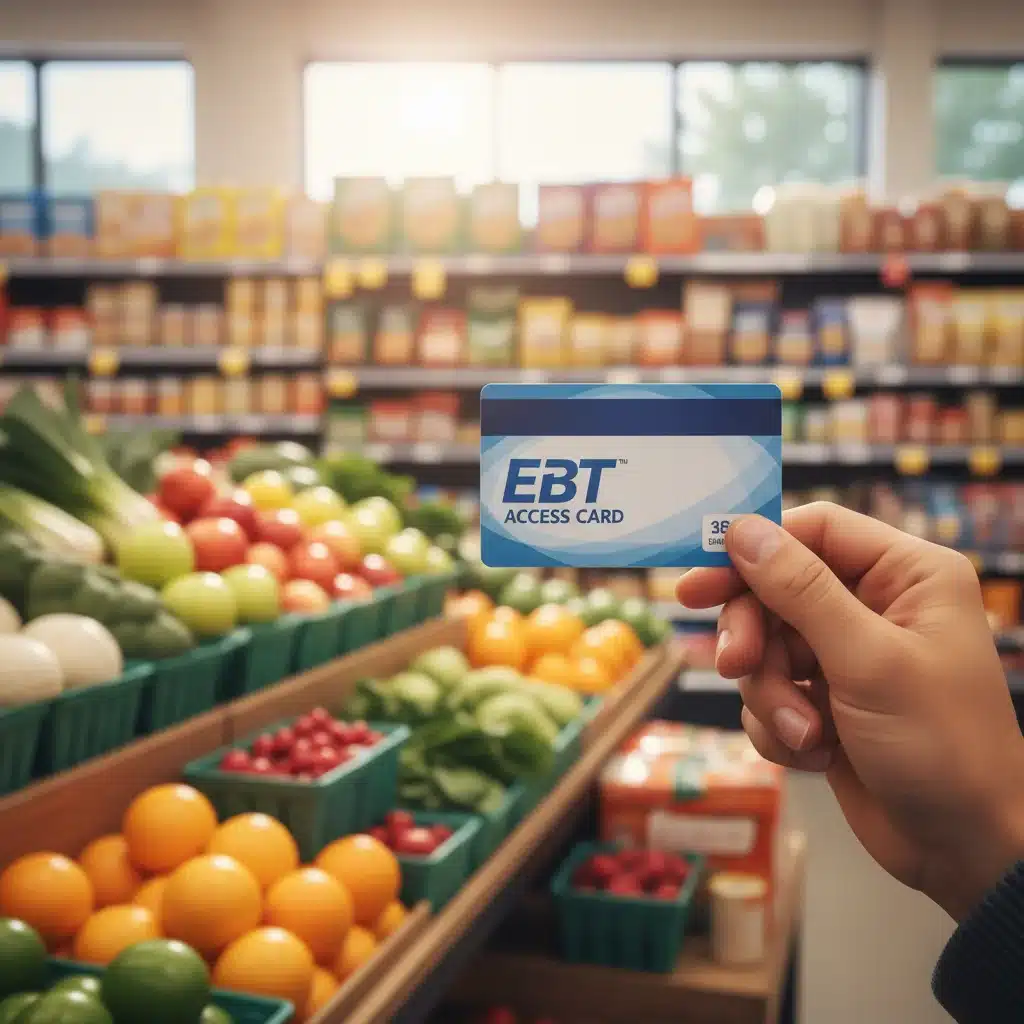
Before we dive into the specifics of the 2026 SNAP Benefits update, it’s important to grasp the fundamental principles of the program. SNAP is a federal program that provides nutrition assistance to low-income individuals and families. It is administered by the U.S. Department of Agriculture (USDA) through its Food and Nutrition Service (FNS). Benefits are distributed monthly via an Electronic Benefit Transfer (EBT) card, which functions much like a debit card and can be used to purchase eligible food items at authorized retail stores.
The primary goal of SNAP is to alleviate food insecurity and improve the nutritional well-being of eligible households. Eligibility criteria typically involve income limits, household size, and certain work requirements, although these can vary by state and are subject to federal guidelines. The amount of benefits a household receives is calculated based on their net income, household size, and certain deductions for expenses like housing and utilities.
For decades, SNAP has proven to be an effective anti-poverty tool, reducing hunger and improving health outcomes for millions. However, the program is also frequently subject to legislative review and adjustments, reflecting evolving economic conditions, political priorities, and societal needs. The anticipated 2026 SNAP Benefits changes are a direct result of this ongoing legislative process.
The Legislative Landscape Leading to the 2026 SNAP Benefits Update
The groundwork for the 2026 SNAP Benefits update has been laid by a series of legislative discussions, proposals, and, in some cases, enacted laws. Federal farm bills, typically reauthorized every five years, are the primary legislative vehicles through which SNAP policies are reviewed and revised. The next farm bill is expected to be a critical juncture for the program, potentially introducing significant reforms.
Several key areas are often at the forefront of these legislative debates:
- Eligibility Requirements: Lawmakers frequently consider adjustments to income thresholds, asset limits, and work requirements. Stricter or more lenient criteria can drastically impact the number of eligible households and the overall cost of the program.
- Benefit Calculation Methods: The formula used to determine monthly benefit amounts is complex, taking into account the Thrifty Food Plan (TFP), a model developed by the USDA to represent a nutritious, low-cost diet. Changes to the TFP or the way it’s applied can directly affect benefit levels.
- Administrative Flexibility for States: States have some leeway in administering SNAP, but federal legislation can expand or restrict this flexibility, impacting everything from application processes to benefit distribution.
- Funding Levels: The overall funding allocated to SNAP by Congress is a critical determinant of the program’s capacity and reach.
Recent legislative dialogues have centered on various proposals, including efforts to streamline program administration, enhance benefit accuracy, and potentially adjust the TFP to better reflect current food costs and nutritional needs. There have also been discussions around expanding or contracting categorical eligibility and modifying work requirements for able-bodied adults without dependents (ABAWDs). These ongoing discussions are the primary drivers behind the projected 10% change in 2026 SNAP Benefits.
Decoding the 10% Impact: What It Means for Your Benefits
The projection of a 10% change in 2026 SNAP Benefits is a significant figure that warrants close examination. It’s important to understand that this figure is an average and could manifest in several ways:
- Across-the-Board Increase/Decrease: In the simplest scenario, legislative changes could mandate a uniform 10% increase or decrease for all beneficiaries, often tied to a re-evaluation of the Thrifty Food Plan or a cost-of-living adjustment.
- Targeted Adjustments: More likely, the 10% figure could represent an average impact, with some households experiencing larger changes and others smaller, depending on their specific circumstances. For example, changes to income deductions, household composition rules, or specific categorical eligibility criteria could disproportionately affect certain groups.
- Impact of Policy Loopholes/Closures: Legislation might close certain loopholes or introduce new pathways to eligibility, leading to an average shift.
- State-Level Variations: While SNAP is a federal program, states administer it. New federal mandates could prompt states to adjust their policies, leading to varying impacts across different regions.
A 10% change, whether an increase or decrease, can have substantial implications for household budgets. For a family currently receiving, for example, $500 in monthly SNAP benefits, a 10% decrease would mean $50 less for groceries, totaling $600 less annually. Conversely, a 10% increase would provide an additional $50 per month, significantly boosting their purchasing power for nutritious foods.
The specific legislative provisions that could lead to this 10% shift are still under debate, but potential areas include:
- Revisions to the Thrifty Food Plan (TFP): The TFP was updated in 2021 for the first time since 1975, leading to an average 21% increase in benefits. Future revisions or adjustments to its methodology could again alter benefit calculations.
- Changes to the Standard Deduction: The standard deduction for SNAP is a fixed amount that households can deduct from their gross income, reducing their countable income and potentially increasing benefits. Adjustments here could have a broad impact.
- Shelter and Dependent Care Deductions: Modifications to how these crucial deductions are calculated or capped could also affect net income and, consequently, benefit amounts.
- Work Requirement Modifications: While often debated, stricter work requirements for certain populations could lead to a reduction in overall program participation and, for some, a loss of benefits if they cannot meet the new criteria.
Understanding these potential mechanisms is key to preparing for the actual impact of the 2026 SNAP Benefits changes.
Who Will Be Affected by the 2026 SNAP Benefits Update?
The reach of SNAP is extensive, supporting diverse populations across the nation. Therefore, any significant change to 2026 SNAP Benefits will have widespread effects. The primary groups likely to be impacted include:
- Low-Income Families with Children: This demographic represents a large portion of SNAP recipients. Changes to income thresholds or deductions will directly affect their ability to provide nutritious meals for their children.
- Seniors and Individuals with Disabilities: Many seniors and people with disabilities rely on SNAP to supplement their fixed incomes. Legislative shifts could alter their benefit levels, impacting their food security and overall quality of life.
- Working Poor: Individuals and families who are employed but still struggle to make ends meet often depend on SNAP. Changes to work requirements or income calculations could significantly affect their eligibility and benefit amounts.
- Able-Bodied Adults Without Dependents (ABAWDs): This group is frequently subject to specific work requirements and time limits for receiving benefits. Any legislative changes concerning ABAWD rules could lead to substantial shifts in their access to SNAP.
- Rural vs. Urban Populations: While SNAP is a federal program, the cost of living and access to food sources can differ significantly between rural and urban areas. Policy changes that do not account for these regional disparities could have varied impacts.
It’s crucial for all current and potential SNAP recipients to stay informed about these impending changes. The USDA, state SNAP agencies, and local community organizations will be key sources of information as the 2026 SNAP Benefits update draws nearer.
Preparing for the 2026 SNAP Benefits Changes: Steps You Can Take
While the exact details of the 2026 SNAP Benefits update are still being finalized, proactive preparation can help mitigate any potential negative impacts. Here are several steps current and prospective beneficiaries can take:
1. Stay Informed Through Official Channels
Reliable information is your best defense against uncertainty. Monitor official sources regularly:
- USDA Food and Nutrition Service (FNS) Website: This is the primary federal source for SNAP information. The FNS website will publish official updates regarding legislative changes and their implementation.
- State SNAP Agency Websites: Each state has its own SNAP administration. Check your state’s agency website for localized information, specific eligibility requirements, and application procedures that might be affected by federal changes.
- Reputable Non-Profit Organizations: Many food banks, anti-hunger advocacy groups, and community assistance organizations closely track SNAP policy changes and often provide clear summaries and guidance.
2. Review Your Current Eligibility and Benefit Calculation
Familiarize yourself with how your current benefits are calculated. Understand your household’s:
- Gross Income: Your total income before any deductions.
- Net Income: Your income after allowed deductions (standard deduction, shelter costs, medical expenses for seniors/disabled, dependent care).
- Household Size: The number of people living and eating together.
Knowing these figures will help you understand how potential changes to income thresholds, deduction limits, or the Thrifty Food Plan might affect your specific situation regarding 2026 SNAP Benefits.
3. Explore Additional Food Assistance Resources
Even with SNAP, many households face ongoing food insecurity. If your 2026 SNAP Benefits change or if you anticipate new challenges, investigate other resources:
- Local Food Banks and Pantries: These organizations provide emergency food assistance and can be a crucial supplement.
- Farmers’ Market SNAP Programs: Many farmers’ markets accept EBT and some offer matching programs (e.g., Double Up Food Bucks) that effectively double the value of your SNAP dollars for fresh produce.
- WIC (Special Supplemental Nutrition Program for Women, Infants, and Children): If you are pregnant, postpartum, or have young children, WIC provides nutritious foods, nutrition education, and healthcare referrals.
- School Meal Programs: Ensure eligible children are enrolled in free or reduced-price school breakfast and lunch programs.
- Senior Meal Programs: Many communities offer meal services for seniors, including congregate meals at community centers and home-delivered meals.
4. Advocate and Engage
Your voice matters. If you are concerned about the proposed 2026 SNAP Benefits changes, consider:
- Contacting Your Legislators: Share your personal story and explain the importance of SNAP to your household’s well-being.
- Participating in Public Comment Periods: When new rules are proposed, there is often a public comment period where individuals can submit their feedback.
- Joining Advocacy Groups: Support organizations that work to protect and strengthen SNAP.
5. Budgeting and Financial Planning
Regardless of the outcome, practicing sound financial planning is always beneficial. If you anticipate a decrease in 2026 SNAP Benefits, start exploring ways to adjust your food budget now. If an increase occurs, plan how to best utilize the additional funds for nutritious food options.
The Broader Implications of SNAP Legislative Changes
The impact of changes to 2026 SNAP Benefits extends far beyond individual households. SNAP is a powerful economic stabilizer and a crucial component of public health. A significant adjustment, such as a 10% shift, can have ripple effects throughout the economy and society:
Economic Impact
SNAP benefits are spent directly in local grocery stores and farmers’ markets, stimulating local economies. Economic analyses consistently show that SNAP benefits have a strong multiplier effect, meaning every dollar of SNAP benefits generates more than a dollar in economic activity. A reduction in benefits could lead to a decrease in consumer spending, potentially affecting businesses and jobs in the retail food sector. Conversely, an increase could provide a boost to these sectors.
Public Health Consequences
Access to nutritious food is directly linked to better health outcomes. Studies have shown that SNAP participation is associated with reduced rates of poverty, improved birth weights, and fewer instances of food insecurity-related hospitalizations. A decrease in 2026 SNAP Benefits could exacerbate existing health disparities, particularly among vulnerable populations, leading to increased rates of chronic diseases and higher healthcare costs in the long run. An increase, however, could lead to improved dietary quality and better health.
Food Insecurity Levels
The most direct consequence of changes to 2026 SNAP Benefits will be on food insecurity rates. If benefits are reduced, more families and individuals may struggle to afford adequate food, leading to an increase in hunger. This puts additional strain on food banks and other charitable food assistance programs, which are often already stretched thin. Conversely, enhanced benefits could significantly reduce food insecurity.
Agricultural Sector Impact
SNAP also indirectly supports the agricultural sector by increasing demand for food products. While the direct link might seem less immediate than for grocery stores, a robust SNAP program ensures a consistent market for various agricultural goods, from fresh produce to dairy and meat products.
Navigating the Application and Re-certification Process in 2026
As the 2026 SNAP Benefits changes come into effect, understanding the application and re-certification process will be more critical than ever. While the core process is likely to remain similar, specific requirements and documentation might be updated.
Initial Application
If you are new to SNAP or reapplying after a break, you will typically need to provide:
- Proof of Identity: Such as a driver’s license or state ID.
- Proof of Residency: Utility bills, rent receipts, or official mail.
- Proof of Income: Pay stubs, employer statements, or benefit award letters.
- Proof of Assets: Bank statements (though asset limits are less stringent for most households).
- Proof of Expenses: Rent/mortgage statements, utility bills, medical expenses (for eligible individuals), and dependent care costs.
It’s vital to submit all required documentation accurately and on time to avoid delays in processing your application for 2026 SNAP Benefits.
Re-certification
SNAP benefits are not permanent; recipients must periodically re-certify their eligibility, typically every 6 to 12 months. This process involves submitting updated information about your household’s income, expenses, and household composition. Failure to re-certify on time can result in a temporary or permanent loss of benefits.
With potential changes to 2026 SNAP Benefits, it’s possible that the re-certification forms or the information requested may be slightly modified to align with new legislative requirements. Pay close attention to any communications from your state SNAP agency regarding re-certification deadlines and updated procedures.
Interview Requirements
Most states require an interview as part of both the initial application and the re-certification process. These interviews can often be conducted by phone, but some states may require an in-person meeting. Be prepared to discuss your household’s circumstances and answer questions about your eligibility.

Future Outlook and Long-Term Considerations for SNAP
The 2026 SNAP Benefits update is not an isolated event but part of an ongoing evolution of the program. Looking further ahead, several trends and considerations will likely continue to shape SNAP:
- Technological Advancements: The ongoing push for digitalization in government services may lead to more streamlined application processes, online portals, and potentially even mobile app-based benefit management.
- Economic Volatility: Future economic downturns or periods of high inflation could trigger further legislative responses aimed at adjusting SNAP benefits to meet changing needs.
- Climate Change and Food Systems: The increasing impact of climate change on food production and supply chains could influence how future farm bills address food security, potentially leading to new initiatives within SNAP or related programs.
- Nutritional Guidelines: As dietary science evolves, there may be further efforts to align SNAP-eligible foods and the Thrifty Food Plan with updated nutritional guidelines, promoting healthier eating habits among beneficiaries.
- Targeted Support: There’s an ongoing debate about whether SNAP should offer more targeted support for specific nutritional needs, such as for individuals with chronic diseases or those requiring special diets.
The future of SNAP is dynamic, reflecting a complex interplay of economic realities, public health objectives, and political will. The 2026 SNAP Benefits update serves as a critical reminder of the program’s adaptability and the continuous need for beneficiaries and advocates to remain engaged and informed.
Conclusion: Staying Ahead of the 2026 SNAP Benefits Curve
The anticipated 2026 SNAP Benefits update, with its potential 10% impact due to recent legislative changes, marks a significant moment for millions of Americans who rely on food assistance. While the exact contours of these changes are still being finalized, the proactive steps outlined in this guide can help you prepare.
By staying informed through official channels, understanding your current eligibility, exploring supplementary food resources, and engaging in advocacy, you can navigate these forthcoming adjustments with greater confidence. Remember that SNAP is a vital safety net, and understanding its evolution is key to ensuring continued food security for yourself and your community.
We encourage you to bookmark this page and refer back to it for updates as more definitive information about the 2026 SNAP Benefits becomes available. Your ability to adapt and utilize available resources will be paramount in ensuring that your household continues to have access to the nutritious food it needs.