WIC Benefits 2026: Get More Food & $30 Extra Healthy Groceries
Maximizing WIC Benefits in 2026: Latest Updates on Food Packages and How to Get an Additional $30 in Healthy Groceries
The Special Supplemental Nutrition Program for Women, Infants, and Children (WIC) has been a cornerstone of nutritional support for millions of families across the United States. As we look ahead to 2026, significant updates are on the horizon that promise to enhance the reach and impact of WIC Benefits 2026. These changes are designed to further improve the health and well-being of pregnant, breastfeeding, and postpartum women, infants, and young children by providing access to nutritious foods, nutrition education, and healthcare referrals.
Understanding these upcoming changes is crucial for current and prospective participants to fully leverage the support available. This comprehensive guide will delve into the anticipated updates to WIC food packages, eligibility criteria, and, most excitingly, how eligible families might secure an additional $30 for healthy groceries. Our aim is to provide you with all the necessary information to navigate the WIC Benefits 2026 landscape effectively, ensuring your family receives the maximum possible nutritional assistance.
The program’s continuous evolution reflects a commitment to adapting to the latest nutritional science and addressing the evolving needs of families. With an emphasis on promoting healthy eating habits from an early age, WIC plays a vital role in reducing food insecurity and improving long-term health outcomes. Let’s explore what 2026 holds for WIC participants and how you can prepare to make the most of these invaluable resources.
Understanding WIC: A Foundation for Family Health
Before we dive into the specifics of WIC Benefits 2026, it’s important to grasp the fundamental principles of the WIC program. WIC is a federal assistance program of the Food and Nutrition Service (FNS) of the United States Department of Agriculture (USDA). It serves to safeguard the health of low-income pregnant, postpartum, and breastfeeding women, infants, and children up to age five who are at nutritional risk.
The program provides:
- Nutritious Foods: Participants receive monthly food packages tailored to their dietary needs, including items like milk, eggs, cheese, cereal, fruit juice, fresh fruits and vegetables, and infant formula.
- Nutrition Education: Counseling on healthy eating, breastfeeding support, and guidance on how to use WIC foods to improve health.
- Healthcare Referrals: Connecting families with pediatricians, family doctors, and other health and social services.
Eligibility for WIC is based on three main criteria: categorical eligibility (pregnant, breastfeeding, or postpartum women; infants; and children up to age five), residential eligibility (must live in the state where applying), and income eligibility (must meet income guidelines, which are typically 185% of the federal poverty level). Additionally, participants must be determined to be at “nutritional risk” by a health professional.
The impact of WIC is profound. Studies have consistently shown that WIC participation leads to healthier pregnancies, fewer premature births, lower infant mortality rates, improved dietary intake for children, and better cognitive development. These benefits underscore the program’s critical role in public health and its continuous evolution, leading us to anticipate exciting developments for WIC Benefits 2026.
Key Anticipated Updates to WIC Food Packages in 2026
One of the most significant aspects of WIC Benefits 2026 will undoubtedly be the updates to the WIC food packages. These packages are periodically reviewed and revised to align with the latest dietary recommendations from the Dietary Guidelines for Americans and the advice of scientific experts. The goal is always to provide participants with foods that promote optimal health and development.
While specific details are often finalized closer to the implementation date, based on recent trends and proposed changes, we can anticipate several key adjustments:
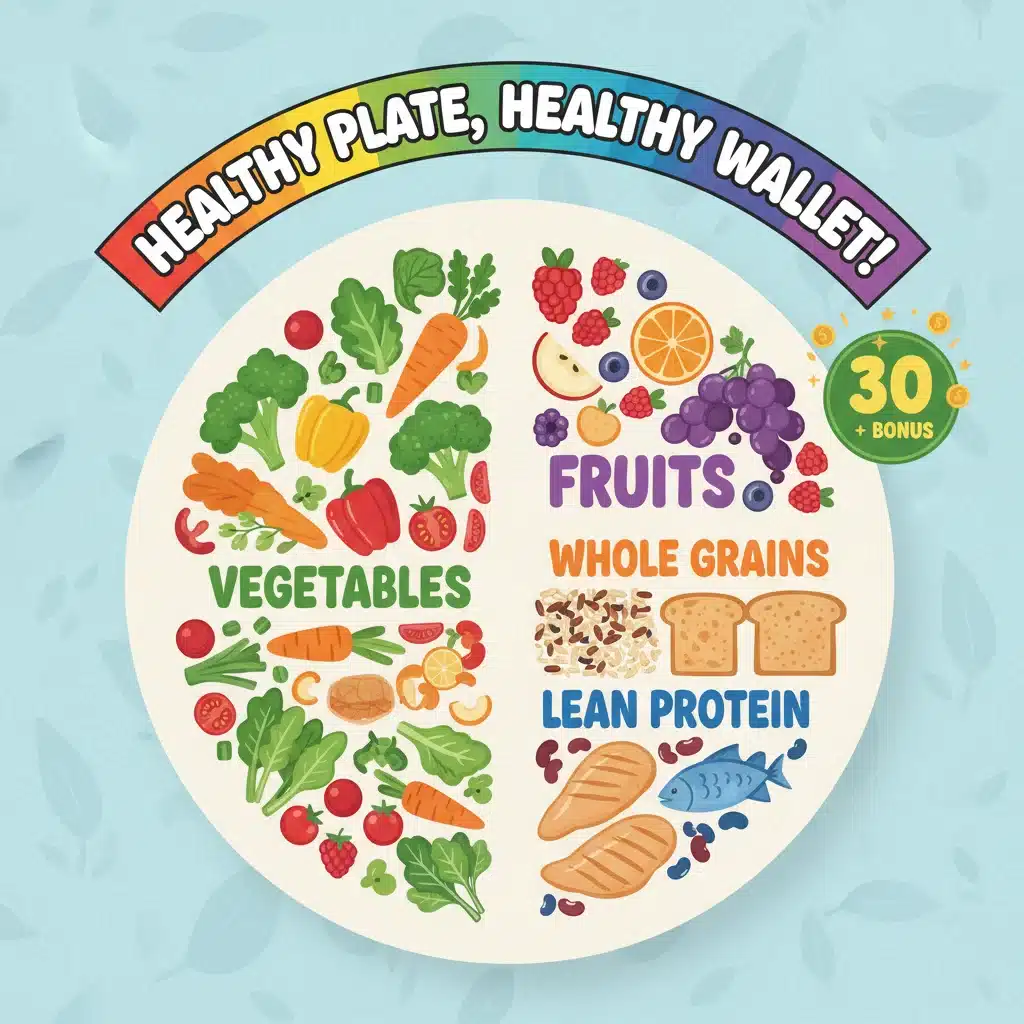
- Increased Emphasis on Fruits and Vegetables: There has been a consistent push to increase the variety and quantity of fruits and vegetables provided through WIC. This is a critical component of a healthy diet, offering essential vitamins, minerals, and fiber. We expect to see enhanced cash value benefits (CVB) for fruits and vegetables, potentially making it easier for families to purchase a wider selection of produce.
- Expanded Whole Grain Options: WIC has long promoted whole grains, and 2026 may bring an expansion of approved whole grain products, including different types of bread, pasta, tortillas, and cereals. This reflects the importance of whole grains in reducing the risk of chronic diseases.
- Flexibility in Dairy and Dairy Alternatives: While dairy remains a cornerstone of WIC food packages, there’s an ongoing conversation about providing more flexibility, particularly for individuals with lactose intolerance or those who prefer plant-based alternatives. Expect potential updates that offer a broader range of approved dairy and non-dairy options.
- Lean Protein Variety: The program may also introduce more diverse lean protein options beyond traditional eggs and beans, potentially including certain types of fish or poultry, where appropriate and cost-effective, to ensure a balanced intake of essential amino acids.
- Refinement of Infant and Toddler Food Options: As nutritional science evolves, so do recommendations for infant feeding. WIC Benefits 2026 could see adjustments to infant formula allowances, infant cereals, and pureed fruits and vegetables for older infants, ensuring they meet the specific developmental needs of this age group.
These anticipated changes are not merely administrative adjustments; they represent a proactive approach to improving public health by making healthier food choices more accessible and affordable for vulnerable populations. Families should keep an eye on official WIC communications from their state agencies for the definitive list of approved foods and package specifics closer to 2026.
The Exciting Opportunity: Getting an Additional $30 for Healthy Groceries
One of the most anticipated and impactful aspects of WIC Benefits 2026 is the potential for an additional $30 in cash value benefits (CVB) specifically for healthy groceries, particularly fruits and vegetables. This increase is not guaranteed but is part of ongoing legislative discussions and program enhancements aimed at boosting the purchasing power of WIC participants for the healthiest food categories.
Why an Additional $30 Matters
The current WIC food packages already provide a foundation of nutritious foods. However, an extra $30 can significantly enhance a family’s ability to purchase a wider variety and greater quantity of fresh, frozen, or canned fruits and vegetables without added sugars, salt, or fats. This additional funding can:
- Increase Dietary Diversity: Allow families to explore new produce options and incorporate a broader range of nutrients into their diets.
- Boost Consumption of Key Nutrients: Fruits and vegetables are packed with essential vitamins, minerals, and fiber, crucial for preventing chronic diseases and supporting overall health.
- Support Local Economies: Increased purchasing power for produce can also benefit local farmers and markets that accept WIC.
- Reduce Food Insecurity: For families struggling to stretch their food budget, an extra $30 can alleviate financial strain and ensure consistent access to healthy foods.
How This Bonus Might Be Implemented
While the exact mechanism for receiving this additional $30 for WIC Benefits 2026 will be detailed by state WIC agencies, it is most likely to be an enhancement of the existing Cash Value Benefit (CVB) for fruits and vegetables. Currently, WIC participants receive a CVB amount (e.g., $9 for children, $11 for pregnant/postpartum women, $11 for breastfeeding women) that can be used to purchase eligible fruits and vegetables. The proposed $30 increase would likely be added to this existing benefit, providing a substantial boost.
To access this potential additional benefit, participants will likely need to:
- Remain Actively Enrolled: Ensure your WIC certification is up-to-date and you meet all ongoing eligibility requirements.
- Attend Nutrition Education Sessions: Participation in WIC’s nutrition education is not just a requirement but an opportunity to learn how to best utilize your benefits, including any new allowances.
- Check State-Specific Announcements: WIC programs are administered at the state level, so it’s vital to monitor communications from your local WIC agency for specific details on when and how this $30 bonus will be implemented in your area.
This potential increase underscores the federal government’s commitment to improving the nutritional well-being of WIC families and highlights the dynamic nature of WIC Benefits 2026. It provides a tangible way for families to enhance their healthy food purchases significantly.
Eligibility and Application Process for WIC Benefits in 2026
Understanding the eligibility criteria and the application process is the first step toward accessing WIC Benefits 2026. While the core requirements are expected to remain consistent, it’s always wise to be aware of any potential minor adjustments that state agencies might implement.
Who is Eligible?
The WIC program serves three primary categories of individuals:
- Pregnant Women: From conception through the end of pregnancy.
- Breastfeeding Women: Up to one year after childbirth.
- Postpartum Women: Up to six months after childbirth (if not breastfeeding).
- Infants: From birth up to their first birthday.
- Children: From their first birthday up to their fifth birthday.
In addition to being in one of these categories, applicants must meet specific criteria:
- Income Guidelines: Your household income must fall within the WIC income guidelines, which are set at 185% of the federal poverty level. Participation in other assistance programs like SNAP, Medicaid, or TANF often automatically qualifies you for WIC income eligibility.
- State Residency: You must reside in the state in which you are applying.
- Nutritional Risk: A health professional at the WIC clinic must determine that you or your child are at “nutritional risk.” This can include medical-based risks (e.g., anemia, underweight, high-risk pregnancy) or dietary-based risks (e.g., inadequate dietary patterns).
The Application Process
Applying for WIC Benefits 2026 is straightforward and involves a few key steps:
- Locate Your Local WIC Agency: You can find your nearest WIC clinic by visiting the USDA WIC website or contacting your state’s health department.
- Schedule an Appointment: Call your local WIC clinic to schedule an appointment. During this call, they will inform you of the documents you need to bring.
- Gather Required Documents: Typically, you will need to provide proof of:
- Identity: Driver’s license, state ID, birth certificate, etc.
- Residency: Utility bill, mail with your address, lease agreement.
- Income: Pay stubs, tax returns, SNAP/Medicaid/TANF approval letter.
- Attend Your WIC Appointment: During the appointment, a WIC nutritionist or health professional will review your documents, assess your nutritional risk, and provide nutrition education. For infants and children, growth measurements (height/length and weight) will be taken.
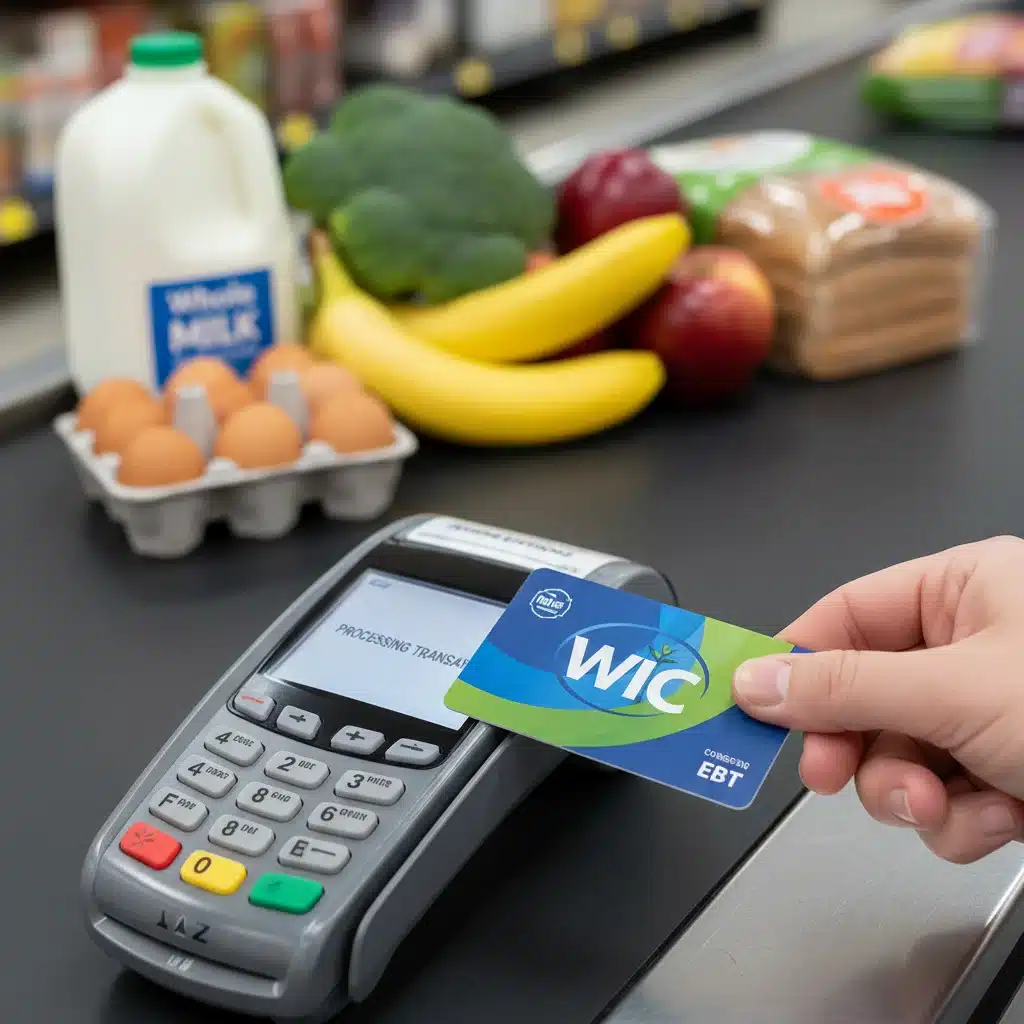
- Receive Your Benefits: If approved, you will receive an EBT (Electronic Benefit Transfer) card loaded with your monthly food package benefits, along with information on how to use it and where to shop.
It’s important to remember that WIC is a short-term program, and participants must be re-certified periodically (usually annually or semi-annually) to continue receiving benefits. Staying engaged with your local WIC clinic ensures you remain informed about all aspects of WIC Benefits 2026.
Maximizing Your WIC Benefits: Tips for Healthy Eating and Shopping
Receiving WIC Benefits 2026 is just the beginning. To truly make the most of the program, it’s essential to integrate the benefits into a holistic approach to healthy living. Here are some actionable tips for maximizing your WIC food package and utilizing any additional funds, like the potential $30 for healthy groceries:
Strategic Shopping with Your WIC EBT Card
- Plan Your Meals: Before you go shopping, plan your meals for the week. This helps you create a shopping list that aligns with your WIC-approved foods and any additional funds you might have.
- Know Your Approved Foods: Each state’s WIC program has a specific list of approved foods. Familiarize yourself with this list to ensure you’re selecting eligible items. Many WIC agencies provide apps or printed guides.
- Utilize the ‘My WIC’ App: Many states offer ‘My WIC’ or similar apps that allow you to check your benefit balance, scan items to see if they’re WIC-approved, and find WIC-authorized stores.
- Compare Prices: Even with WIC, it’s smart to compare prices at different authorized stores to make your benefits go further, especially for fresh produce where prices can vary significantly.
- Shop Sales: Look for sales on WIC-approved items. If you have the additional $30 for fruits and vegetables, combining it with store sales can allow you to purchase even more healthy produce.
- Read Labels Carefully: Pay attention to nutrition labels, especially for items like cereals and juices, to ensure they meet WIC’s guidelines (e.g., low sugar content for cereals, 100% juice).
Embracing Nutrition Education and Resources
- Engage with WIC Nutritionists: Your WIC clinic provides access to registered dietitians and nutritionists. Don’t hesitate to ask them questions about healthy eating, meal planning, or specific dietary concerns. They are a valuable resource for understanding and applying WIC Benefits 2026.
- Attend Workshops: Many WIC clinics offer workshops on topics like healthy cooking, breastfeeding support, and introducing solid foods to infants. These can provide practical skills and knowledge.
- Breastfeeding Support: WIC offers extensive support for breastfeeding mothers, including peer counselors, lactation consultants, and breast pump loans. This support is invaluable for the health of both mother and baby.
- Utilize Recipes: WIC often provides healthy recipes that incorporate WIC-approved foods. These can be a great way to make mealtime exciting and nutritious.
Beyond the Groceries: Connecting with Healthcare
WIC is more than just food; it’s a gateway to better health. Ensure you:
- Keep Up with Check-ups: Regular medical check-ups for yourself and your children are crucial. WIC can help connect you with healthcare providers if needed.
- Address Health Concerns: If you or your child have specific health concerns, discuss them with your WIC nutritionist, who can provide tailored advice or refer you to appropriate services.
By actively participating in all aspects of the program, families can truly maximize the positive impact of WIC Benefits 2026 on their health and financial well-being.
Future Outlook and Advocacy for WIC in 2026 and Beyond
The evolution of WIC Benefits 2026 is a testament to ongoing efforts to strengthen the program and ensure it continues to meet the needs of vulnerable families. The proposed enhancements, particularly the potential for an additional $30 for healthy groceries and updated food packages, reflect a commitment to evidence-based nutrition and public health.
The Role of Advocacy
The continued success and expansion of WIC are often the result of robust advocacy from health organizations, anti-hunger groups, and concerned citizens. These groups consistently lobby Congress and state legislatures to maintain and increase funding for WIC, ensuring that benefits keep pace with inflation and evolving dietary science. As we approach 2026, continued advocacy will be crucial to solidify these proposed changes and potentially introduce further improvements.
Potential for Further Enhancements
Looking beyond 2026, discussions around WIC often include:
- Broader Food Choices: Exploring ways to expand the variety of WIC-approved foods while maintaining nutritional integrity and cost-effectiveness.
- Technological Integration: Further leveraging technology for easier application, benefit management, and access to nutrition education resources.
- Streamlined Certification: Simplifying the re-certification process to reduce barriers to participation for eligible families.
- Increased Outreach: Efforts to reach more eligible families who are not currently participating in WIC, ensuring that all who qualify receive the support they need.
These ongoing conversations highlight the dynamic nature of WIC and its responsiveness to the needs of the communities it serves. For participants, staying informed through official WIC channels and local agencies is the best way to understand how these future developments might impact their benefits.
Why Your Participation Matters
Your active participation in WIC not only benefits your family but also contributes to the program’s overall strength and impact. When families utilize their WIC Benefits 2026, they demonstrate the program’s effectiveness and the ongoing need for its services. This collective participation helps to justify continued funding and support for WIC, ensuring that it remains a vital resource for future generations.
By embracing the nutrition education, utilizing the food packages, and taking advantage of healthcare referrals, you are playing a direct role in fostering a healthier community and a stronger WIC program.
Conclusion: A Healthier Future with Enhanced WIC Benefits in 2026
The upcoming changes to WIC Benefits 2026 represent a significant step forward in supporting the nutritional health of women, infants, and children across the nation. With anticipated updates to food packages designed to align with the latest dietary guidelines and the exciting prospect of an additional $30 for healthy groceries, WIC is poised to offer even greater assistance to eligible families.
This program is more than just a source of food; it’s a comprehensive support system that provides essential nutrition education, breastfeeding guidance, and crucial healthcare referrals. By understanding the eligibility requirements, actively engaging with your local WIC clinic, and strategically utilizing your benefits, you can ensure your family receives the maximum possible support.
We encourage all current and potential WIC participants to stay informed through official state WIC websites and local agencies for the most up-to-date information regarding implementation dates and specific benefit details. The opportunity to enhance your family’s access to nutritious foods and build a foundation for lifelong health is within reach. Embrace the enhanced WIC Benefits 2026 and take a proactive step towards a healthier, brighter future for your family.