2026 Federal Budget Proposal: $1.5 Trillion Impact on American Families

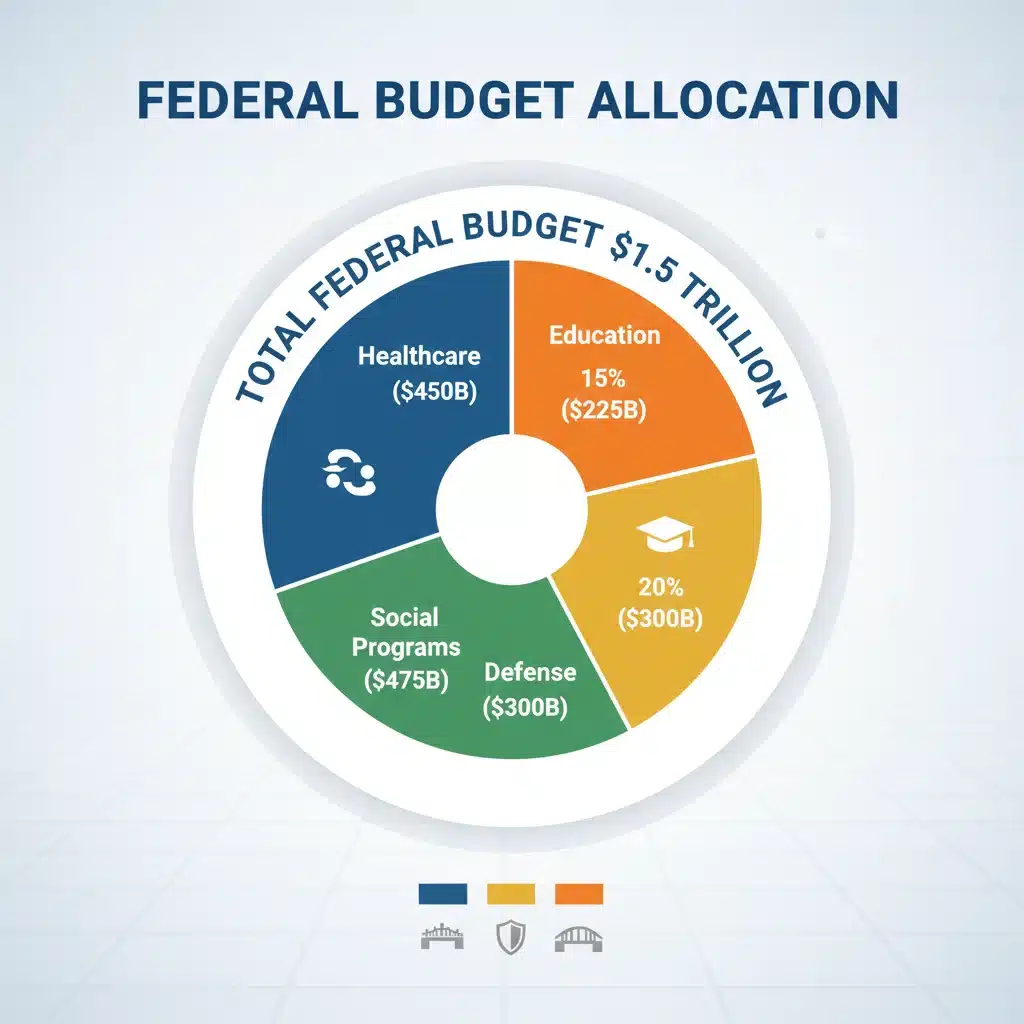
The unveiling of the 2026 Federal Budget Proposal has sent ripples across the nation, sparking intense debate and analysis. At a staggering $1.5 trillion, this proposal is not merely a collection of numbers; it represents a comprehensive blueprint for the nation’s future, with far-reaching implications for every American household. Understanding the nuances of this substantial financial plan is crucial for citizens, businesses, and policymakers alike, as it will inevitably shape economic landscapes, social programs, and individual financial well-being for years to come. This article delves deep into the core tenets of the 2026 Federal Budget, exploring its potential impacts, key allocations, and the broader economic context in which it operates.
The federal budget is more than just an accounting exercise; it is a declaration of national priorities. It reflects the government’s vision for addressing pressing challenges, fostering growth, and ensuring the welfare of its citizens. The 2026 Federal Budget, in particular, arrives at a critical juncture, as the nation grapples with ongoing economic shifts, evolving global dynamics, and persistent social needs. From healthcare reform to educational initiatives, from infrastructure development to national security, every dollar allocated within this $1.5 trillion framework carries significant weight and potential consequences.
Understanding the Scope of the 2026 Federal Budget
Before dissecting the specific components, it’s essential to grasp the sheer magnitude of a $1.5 trillion budget. This figure represents an immense allocation of resources, designed to fund the vast machinery of the federal government and its myriad programs. The 2026 Federal Budget is not a static document; it is a dynamic plan that responds to current needs while attempting to anticipate future challenges. Its formation involves complex negotiations, economic forecasts, and a delicate balancing act between competing interests and priorities.
Historically, federal budgets have served as barometers of national direction. They illustrate where the government intends to invest, where it plans to cut, and how it envisions generating revenue. The 2026 Federal Budget is no exception. It will set the stage for policy implementation across various sectors, influencing everything from the cost of living to job opportunities. For American families, this means a direct link between the budget’s provisions and their daily lives, affecting everything from healthcare premiums to educational funding for their children.
Key Pillars of the 2026 Federal Budget Proposal
While a detailed breakdown of every line item would be exhaustive, several key areas consistently emerge as focal points in any federal budget. For the 2026 Federal Budget, these pillars are expected to include:
- Healthcare: This remains a dominant concern, with discussions likely centered on expanding access, controlling costs, and funding research. The budget could propose significant changes to existing programs like Medicare and Medicaid, impacting millions of beneficiaries and healthcare providers.
- Education: Investments in education, from early childhood programs to higher education and workforce development, are often seen as crucial for long-term economic prosperity. The 2026 budget may outline new funding for schools, student aid, and initiatives aimed at closing achievement gaps.
- Infrastructure: Modernizing the nation’s infrastructure—roads, bridges, public transit, broadband internet—is a bipartisan priority. Expect substantial allocations aimed at improving connectivity, safety, and economic efficiency.
- Defense and National Security: Given the evolving global landscape, defense spending will undoubtedly remain a significant portion of the budget, addressing military readiness, technological advancements, and cybersecurity threats.
- Social Programs: This broad category encompasses a range of programs designed to support vulnerable populations, including social security, unemployment benefits, housing assistance, and food security initiatives. The 2026 budget will detail proposed funding levels and any reforms to these vital safety nets.
- Climate Change and Environmental Protection: With growing concerns about climate change, the budget is likely to include funding for renewable energy research, conservation efforts, and disaster preparedness and response.
Impact on American Families: A Closer Look
The most pertinent question for many is: how will the 2026 Federal Budget specifically affect American families? The answer is multifaceted, touching upon various aspects of household economics and quality of life.
Healthcare Access and Costs
For many families, healthcare costs are a primary financial burden. The 2026 Federal Budget‘s provisions related to healthcare could significantly alter this landscape. Depending on proposed reforms, families might see changes in:
- Insurance Premiums: Subsidies for health insurance purchased through exchanges could be adjusted, directly impacting monthly premium costs.
- Out-of-Pocket Expenses: Changes to deductibles, co-pays, and prescription drug costs could be on the table, affecting how much families pay for medical services.
- Access to Services: Funding for specific health programs, such as mental health services or chronic disease management, could expand or contract, influencing availability and quality of care.
Any substantial shift in healthcare policy within the budget will require careful consideration by families planning their financial futures and healthcare strategies.
Education and Future Opportunities
The budget’s stance on education will have a profound effect on children and young adults, as well as the broader workforce. Potential impacts include:
- Student Aid: Funding for Pell Grants, student loans, and other financial aid programs could be revised, influencing college affordability and access.
- K-12 Education: Increased or decreased federal funding for public schools could affect class sizes, teacher salaries, special education services, and access to technology.
- Workforce Development: Investments in job training programs, vocational schools, and initiatives to reskill workers could open new avenues for career advancement and economic mobility.
Families with school-aged children or those planning for higher education will need to closely monitor these budgetary decisions.
Economic Stability and Job Growth
The overall direction of the 2026 Federal Budget will play a crucial role in shaping the national economy. Government spending on infrastructure, research, and development can stimulate job creation and foster economic growth. Conversely, significant cuts in certain areas or shifts in tax policy could lead to economic contraction or job losses. Families will experience these effects through:
- Job Market: Industries that receive significant federal investment (e.g., green energy, technology, defense) may see increased job opportunities, while others might face challenges.
- Wages and Income: Economic growth fueled by budgetary policies can lead to higher wages and increased household income.
- Inflation: The scale and nature of government spending can influence inflation rates, impacting the purchasing power of family incomes.
Understanding these macroeconomic implications is vital for families making long-term financial plans.
Taxation and Revenue Generation in the 2026 Federal Budget
A $1.5 trillion budget requires substantial revenue, primarily generated through taxation. The 2026 Federal Budget proposal will likely include provisions related to both individual and corporate taxes. Changes in tax policy can have direct and indirect effects on family finances:
- Income Tax Rates: Adjustments to federal income tax brackets or rates could alter the take-home pay for many households.
- Tax Credits and Deductions: The budget may introduce new tax credits (e.g., for childcare, energy efficiency) or modify existing deductions, influencing tax liabilities and potential refunds.
- Corporate Taxes: While seemingly indirect, changes in corporate tax rates can affect business investment, job creation, and ultimately, consumer prices.
- Capital Gains and Estate Taxes: For wealthier families, changes in these areas could have significant implications for investment strategies and intergenerational wealth transfer.
It is imperative for families to stay informed about proposed tax changes to effectively plan their financial strategies and leverage any new benefits or mitigate potential impacts.
Addressing the National Debt
A persistent concern associated with federal budgets, especially large ones, is the national debt. The 2026 Federal Budget will outline projections for both spending and revenue, which will directly impact the nation’s debt trajectory. While the immediate effects on individual families might seem abstract, a growing national debt can lead to:
- Higher Interest Rates: Increased government borrowing can drive up interest rates for consumers on mortgages, car loans, and credit cards.
- Inflationary Pressures: In some scenarios, excessive debt coupled with certain monetary policies can contribute to inflation.
- Future Fiscal Constraints: A large debt burden can limit the government’s ability to respond to future crises or invest in critical programs, potentially impacting future generations.
The budget’s approach to fiscal responsibility and debt management is therefore a crucial element for long-term economic stability for all American families.
Sector-Specific Deep Dives: What the 2026 Federal Budget Means
To fully appreciate the breadth of the 2026 Federal Budget, it’s helpful to explore its potential impact on specific sectors beyond the direct family-level effects.
Infrastructure and Community Development
Investment in infrastructure is not just about roads and bridges; it’s about connecting communities, facilitating commerce, and improving quality of life. The 2026 Federal Budget‘s infrastructure component could lead to:
- Improved Commutes: Funding for public transit and road repairs can reduce travel times and congestion.
- Enhanced Public Services: Investments in water systems, power grids, and broadband internet can improve access to essential utilities, particularly in rural areas.
- Job Creation: Large-scale infrastructure projects are significant job creators, providing employment opportunities in construction, engineering, and related fields.
These developments directly benefit families through better services, safer environments, and increased local economic activity.
Research and Innovation
Federal funding for scientific research, technological development, and innovation often forms the bedrock of future economic growth and societal advancements. The 2026 Federal Budget will likely allocate resources to:
- Medical Research: Funding for agencies like the National Institutes of Health (NIH) can accelerate breakthroughs in disease treatment and prevention.
- Green Technologies: Investments in renewable energy, sustainable agriculture, and climate science can drive innovation and create new industries.
- Space Exploration and Advanced Computing: Funding for NASA and other research initiatives can push the boundaries of human knowledge and technological capability.
While these investments may not have an immediate direct impact on every family’s budget, they lay the groundwork for future health improvements, technological conveniences, and economic opportunities.

Navigating the Budget’s Political Landscape
It’s important to remember that the 2026 Federal Budget is a proposal, not a final law. It will undergo extensive scrutiny, debate, and potential modifications as it moves through Congress. The political dynamics surrounding its passage are complex, involving:
- Bipartisan Negotiations: Reaching consensus across political divides is often challenging, leading to compromises and adjustments.
- Lobbying Efforts: Various interest groups will advocate for their priorities, attempting to influence funding allocations.
- Public Opinion: Public sentiment and feedback from constituents can play a role in shaping the final budget.
Understanding this political process helps families anticipate potential changes and recognize the importance of civic engagement in shaping national priorities.
The Role of Economic Forecasts
The foundation of any federal budget relies heavily on economic forecasts, which predict future growth, inflation, interest rates, and unemployment. These forecasts, however, are inherently uncertain, and deviations can significantly impact the budget’s effectiveness and the national debt. The 2026 Federal Budget will be built upon a set of economic assumptions, and any major shifts in the actual economic landscape could necessitate future adjustments, further impacting American families.
Preparing for the Future: What Families Can Do
While the 2026 Federal Budget is a large and complex document, families are not powerless in the face of its implications. Proactive steps can help mitigate potential negative impacts and capitalize on new opportunities:
- Stay Informed: Regularly follow news and analysis regarding the budget’s progress and final provisions. Official government websites and reputable financial news sources are excellent resources.
- Review Personal Finances: Assess how potential changes in healthcare costs, tax rates, or educational funding might affect your household budget. Consider adjusting savings, investment, or spending plans accordingly.
- Advocate for Your Interests: Contacting elected officials to express your views on specific budget priorities can be an effective way to influence policy.
- Plan for Contingencies: Economic shifts can be unpredictable. Maintaining an emergency fund and diversified investments can provide a buffer against unforeseen financial challenges.
- Seek Professional Advice: Financial advisors, tax professionals, and healthcare navigators can offer personalized guidance on how the budget’s provisions might specifically affect your family’s situation.
Conclusion: The Far-Reaching Implications of the 2026 Federal Budget
The 2026 Federal Budget Proposal, with its colossal $1.5 trillion allocation, is a document of immense national significance. Its provisions will not only dictate the direction of government spending but will also profoundly influence the daily lives, economic prospects, and overall well-being of American families. From the cost of healthcare and the quality of education to job opportunities and long-term economic stability, every aspect of this budget carries weight.
As the proposal moves through the legislative process, it is crucial for citizens to remain engaged and informed. Understanding the key allocations, potential impacts, and the underlying economic philosophies will empower families to make informed decisions, plan for their future, and actively participate in the democratic process. The 2026 Federal Budget is more than just a financial plan; it is a reflection of national values and a roadmap for the future, and its effects will resonate across the country for years to come.
By staying vigilant, adapting to changes, and advocating for their interests, American families can navigate the complexities of this monumental budget and work towards securing a stable and prosperous future.