2026 Infrastructure Bill Update: $150 Billion Reshaping US Transit
The 2026 Infrastructure Bill is set to inject $150 billion into US transportation, promising transformative changes for roads, bridges, public transit, and freight networks, driving economic growth and modernizing infrastructure.
The highly anticipated 2026 Infrastructure Bill Update is poised to revolutionize America’s transportation landscape with an unprecedented $150 billion investment. This landmark legislation aims to address critical needs, from crumbling roads to outdated public transit systems, promising a significant overhaul and a more connected future for the nation.
Understanding the 2026 Infrastructure Bill’s Core Objectives
The 2026 Infrastructure Bill represents a monumental commitment to modernizing and enhancing the United States’ aging transportation infrastructure. Its primary goal extends beyond simple repairs, aiming for a future-proof system capable of supporting economic growth, improving public safety, and fostering environmental sustainability.
This bill is not merely a financial allocation; it’s a strategic blueprint designed to tackle systemic issues that have plagued American infrastructure for decades. From urban congestion to rural accessibility, the legislation seeks to implement comprehensive solutions that will have a lasting impact on how people and goods move across the country.
Key Pillars of the Legislation
- Rebuilding America’s Roads and Bridges: A significant portion of the funding is dedicated to repairing and upgrading the nation’s vast network of highways, interstates, and bridges, many of which are in disrepair. This includes innovative materials and construction techniques to ensure longevity.
- Modernizing Public Transit Systems: Investments will flow into expanding and improving urban and regional public transportation, making it more accessible, efficient, and appealing to commuters. This could involve new rail lines, bus rapid transit, and technology upgrades.
- Enhancing Freight and Supply Chain Efficiency: The bill addresses bottlenecks in the supply chain by improving ports, railways, and intermodal facilities, crucial for the movement of goods and supporting national commerce.
- Promoting Sustainable Transportation: A focus on green infrastructure, including electric vehicle charging networks, walking and cycling paths, and resilient infrastructure capable of withstanding climate change impacts, is central to the bill’s vision.
In essence, the 2026 Infrastructure Bill is a multifaceted endeavor, aiming to create a more robust, efficient, and sustainable transportation network across the United States. Its broad scope ensures that various aspects of mobility are addressed, from daily commutes to national freight logistics, setting the stage for significant improvements over the coming years.
Targeted Investments: Roads, Bridges, and Highways
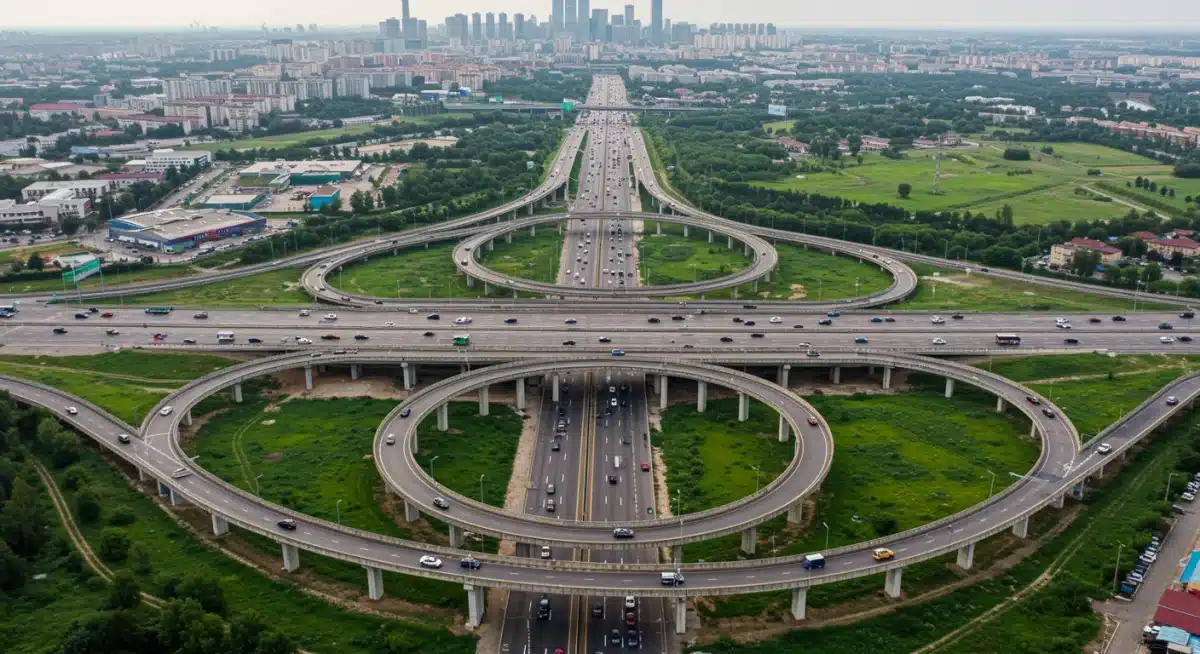
A cornerstone of the 2026 Infrastructure Bill is the massive investment directed towards America’s road, bridge, and highway systems. These vital arteries of commerce and daily life have often suffered from deferred maintenance, leading to safety concerns, traffic delays, and increased costs for businesses and individuals.
The $150 billion allocation includes substantial funds specifically earmarked for these critical components. The goal is to move beyond temporary fixes and implement long-term solutions that will not only restore these structures but also enhance their capacity and resilience for decades to come. This involves a strategic approach to project selection and execution.
Impact on Commuters and Commerce
For everyday commuters, this means smoother rides, reduced travel times, and safer routes. The bill aims to alleviate congestion in major metropolitan areas through lane expansions, intelligent traffic management systems, and the repair of deteriorating road surfaces that contribute to vehicle wear and tear.
- Reduced Commute Times: Upgraded infrastructure can significantly cut down on time spent in traffic.
- Enhanced Safety: Repairing crumbling bridges and roads directly reduces accident risks.
- Lower Vehicle Maintenance Costs: Fewer potholes and better road conditions mean less wear on personal vehicles.
From a commercial standpoint, the improvements to highways and bridges are paramount. Businesses rely on efficient transportation networks to move raw materials, finished products, and personnel. Delays caused by poor infrastructure translate directly into higher operating costs and reduced competitiveness. The bill seeks to streamline freight movement, supporting economic efficiency and growth.
The targeted investments in roads, bridges, and highways are foundational to the entire infrastructure initiative. By strengthening these core components, the bill lays the groundwork for a more efficient, safer, and economically vibrant transportation system, benefiting millions of Americans and countless businesses nationwide.
The Public Transit Revolution: Modernizing Urban Mobility
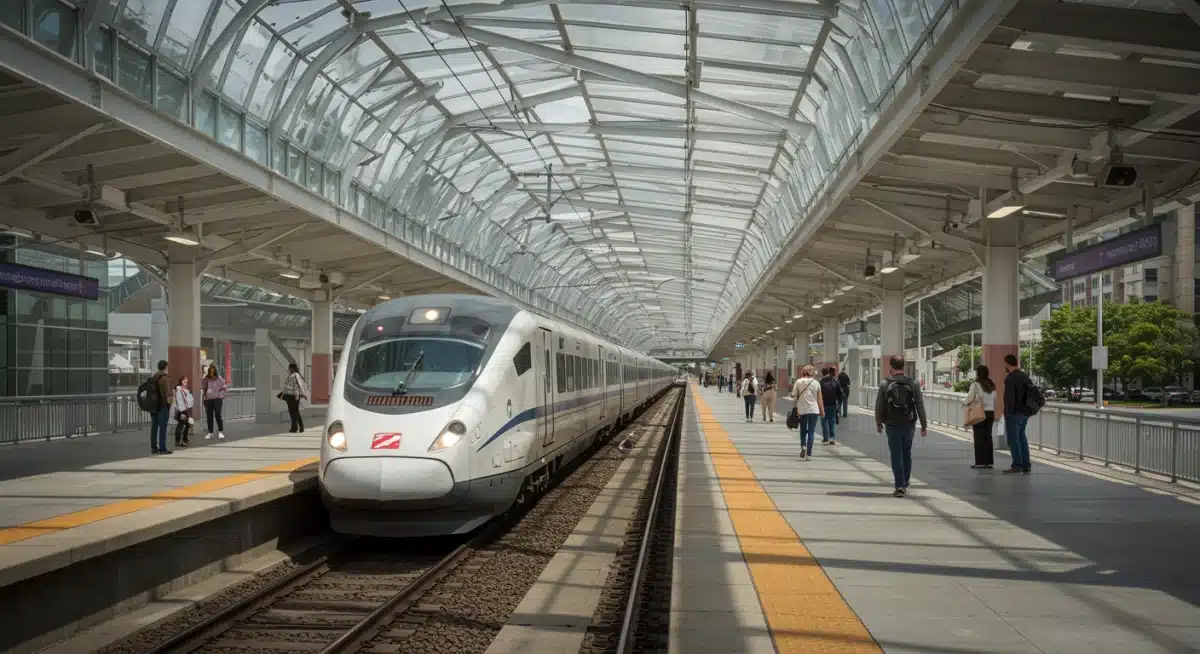
Beyond roads and bridges, a significant portion of the 2026 Infrastructure Bill is dedicated to orchestrating a public transit revolution. Many urban and suburban areas in the U.S. grapple with outdated or insufficient public transportation options, leading to increased reliance on personal vehicles, traffic congestion, and environmental concerns.
The bill aims to change this narrative by pouring substantial funds into modernizing existing systems and expanding public transit networks. This isn’t just about adding more buses or train cars; it’s about creating integrated, efficient, and user-friendly systems that genuinely serve the needs of diverse communities.
Expanding Accessibility and Sustainability
One of the core objectives is to make public transit more accessible. This includes improving access for individuals with disabilities, extending services to underserved communities, and integrating different modes of transport, such as bike-sharing programs and ride-sharing services, with traditional public transit.
Sustainability is another key driver. Investments will support the transition to electric buses and trains, the deployment of renewable energy sources for transit operations, and the development of transit-oriented communities that reduce the need for long commutes. This shift is crucial for meeting climate goals and improving air quality in urban centers.
- New Rail Lines and Extensions: Expanding subway and light rail networks in growing metropolitan areas.
- Bus Rapid Transit (BRT) Development: Implementing dedicated bus lanes and priority signaling for faster, more reliable bus services.
- Technology Integration: Upgrading ticketing systems, real-time information displays, and mobile applications for a seamless passenger experience.
- Accessibility Upgrades: Ensuring all stations and vehicles meet modern accessibility standards.
The public transit revolution envisioned by the 2026 Infrastructure Bill will transform urban mobility, offering viable alternatives to car ownership, reducing environmental impact, and fostering more inclusive and connected communities. These investments are critical for the future health and vitality of America’s cities and towns.
Connecting the Nation: Enhancements to Rail and Port Infrastructure
The 2026 Infrastructure Bill recognizes that a truly modern transportation system extends beyond roads and public transit to encompass robust rail and port infrastructure. These often-overlooked components are vital for national and international trade, ensuring the smooth flow of goods and raw materials across the country and to global markets.
The $150 billion funding includes significant allocations to upgrade and expand these critical hubs. The goal is to eliminate bottlenecks, improve efficiency, and enhance the capacity of America’s freight networks, which are the backbone of the nation’s supply chain.
Boosting Economic Competitiveness
Investments in rail infrastructure will focus on upgrading tracks, signals, and rail yards, particularly in high-traffic corridors. This will enable faster and more reliable freight movement, reducing transit times and operational costs for businesses. Passenger rail will also see improvements, potentially expanding high-speed rail options and increasing service frequency on existing routes.
Ports, as gateways for international trade, are slated for considerable modernization. This includes dredging deeper channels, expanding dock capacity, upgrading cargo handling equipment, and improving intermodal connections to rail and road networks. These enhancements are crucial for maintaining the competitiveness of American businesses in the global marketplace.
- Port Modernization: Investment in larger cranes, automated systems, and deeper berths to handle bigger ships.
- Rail Network Expansion: Development of new rail lines and upgrading existing ones to support increased freight and passenger volume.
- Intermodal Facility Improvements: Better integration points where cargo transfers between ships, trains, and trucks, reducing transfer times.
By strategically investing in rail and port infrastructure, the 2026 Infrastructure Bill aims to create a more resilient and efficient supply chain. This will not only benefit industries reliant on shipping and logistics but also contribute to overall economic stability and growth by ensuring goods reach consumers and markets without unnecessary delays.
Smart Infrastructure and Technological Integration
The 2026 Infrastructure Bill isn’t just about concrete and steel; it’s also a forward-looking initiative that emphasizes smart infrastructure and technological integration. Leveraging cutting-edge technologies is essential for building a transportation system that is not only robust but also intelligent, adaptive, and prepared for future challenges.
A significant portion of the $150 billion will be channeled into projects that incorporate digital solutions, data analytics, and advanced engineering. This approach aims to optimize the performance of new and existing infrastructure, enhance safety, and provide real-time information to users and operators.
Innovations Driving Efficiency and Safety
One key area is the deployment of Intelligent Transportation Systems (ITS). These systems use sensors, cameras, and communication networks to monitor traffic flow, manage signals, and provide real-time alerts about road conditions, accidents, or congestion. The goal is to make traffic management more dynamic and responsive.
The bill also supports the development of infrastructure for autonomous vehicles (AVs) and connected vehicle technologies. This includes upgrading road signage, implementing vehicle-to-infrastructure (V2I) communication systems, and creating dedicated testing environments. These advancements are crucial for the safe and efficient integration of future mobility solutions.
- Intelligent Traffic Management: Systems that dynamically adjust traffic signals and routes to optimize flow and reduce congestion.
- Connected Vehicle Technology (V2I): Infrastructure that communicates with vehicles to provide warnings, navigation, and traffic information.
- Real-time Data Analytics: Using data from sensors and cameras to predict maintenance needs and improve operational efficiency.
- Smart Lighting and Surveillance: Energy-efficient lighting and advanced security systems for roads, bridges, and public transit hubs.
The focus on smart infrastructure and technological integration within the 2026 Infrastructure Bill ensures that the investments are not just about building bigger, but about building smarter. These innovations will lead to a transportation network that is more efficient, safer, and better equipped to handle the demands of the 21st century.
Economic Impact and Job Creation Across the US
Beyond the physical transformation of transportation networks, the 2026 Infrastructure Bill is projected to have a profound economic impact, stimulating growth and creating hundreds of thousands of jobs across the United States. The $150 billion investment will ripple through various sectors, providing a much-needed boost to local and national economies.
This massive undertaking will require a substantial workforce, from engineers and construction workers to IT specialists and project managers. The demand for materials, equipment, and related services will also generate economic activity, supporting businesses of all sizes.
Widespread Benefits and Opportunities
Job creation will be diverse, encompassing both direct employment in construction and indirect jobs in manufacturing, logistics, and professional services. Training programs will likely be established or expanded to ensure a skilled workforce is available to meet the demands of these complex projects.
- Direct Job Creation: Thousands of roles in construction, engineering, and project management.
- Indirect Job Growth: Increased demand in manufacturing (steel, concrete), logistics, and technology sectors.
- Boost to Local Economies: Local businesses benefiting from increased spending by workers and project suppliers.
- Long-term Economic Competitiveness: Improved infrastructure attracts new businesses and facilitates trade, fostering sustained growth.
Furthermore, the long-term economic benefits extend beyond the construction phase. Improved transportation infrastructure reduces business costs, enhances supply chain reliability, and makes regions more attractive for investment. This fosters increased productivity, encourages trade, and ultimately contributes to a higher standard of living for many Americans.
The 2026 Infrastructure Bill is more than just a public works program; it’s an economic stimulus package designed to create jobs, drive innovation, and ensure the United States remains globally competitive. The widespread economic benefits underscore the strategic importance of this investment in the nation’s future.
| Key Focus Area | Brief Description of Impact |
|---|---|
| Roads & Bridges | Significant repairs and upgrades to highways, interstates, and bridges, reducing commute times and improving safety. |
| Public Transit | Modernization and expansion of urban and regional public transport, increasing accessibility and sustainability. |
| Rail & Ports | Upgrades to freight rail lines and port facilities, enhancing supply chain efficiency and national trade. |
| Smart Infrastructure | Integration of intelligent systems and technology for optimized traffic flow, safety, and future mobility. |
Frequently Asked Questions About the 2026 Infrastructure Bill
The 2026 Infrastructure Bill allocates a substantial $150 billion specifically for transportation projects. This funding aims to address various critical needs across the nation, from roads and bridges to public transit and freight networks, ensuring a comprehensive overhaul of America’s mobility systems over the coming years.
Daily commuters can expect significant improvements, including smoother roads, reduced traffic congestion due to better traffic management systems, and enhanced public transit options. These changes are designed to decrease travel times, improve safety, and potentially lower vehicle maintenance costs by minimizing wear and tear on personal vehicles from poor road conditions.
The bill focuses on modernizing public transit by expanding rail lines, developing Bus Rapid Transit (BRT) systems, and integrating new technologies for a seamless experience. This includes upgrades to ticketing, real-time information, and accessibility features, aiming to make public transportation more efficient, sustainable, and appealing to a wider range of users.
Absolutely. The 2026 Infrastructure Bill is projected to create hundreds of thousands of jobs across various sectors. This includes direct employment in construction, engineering, and project management, as well as indirect job growth in manufacturing, logistics, and technology. It represents a significant economic stimulus, boosting local and national economies.
The bill explicitly emphasizes sustainable transportation by funding projects like electric vehicle charging networks, walking and cycling paths, and resilient infrastructure. It also supports the transition to electric buses and trains and the use of renewable energy in transit operations, aligning with national environmental goals and promoting greener mobility options.
Conclusion
The 2026 Infrastructure Bill, with its substantial $150 billion allocation for transportation, marks a pivotal moment for the United States. This comprehensive legislation is poised to deliver a transformative overhaul of the nation’s roads, bridges, public transit, rail, and port systems. Beyond immediate repairs, it champions a future-oriented approach, integrating smart technologies and sustainable practices to build a resilient and efficient network. The economic ripple effects, particularly in job creation and enhanced competitiveness, underscore the profound and lasting impact this bill will have on American communities and the national economy for decades to come, ensuring a more connected and prosperous future.