US Pledges $50 Billion for Global Carbon Reduction

US Pledges $50 Billion for Global Carbon Reduction: A New Era of Climate Action
The year 2026 will be etched in the annals of climate history as the year the United States made an unprecedented commitment to global environmental stewardship. At the highly anticipated Global Climate Summit, held in a bustling international hub, the US government officially pledged a staggering $50 billion towards international carbon reduction initiatives. This monumental US Carbon Reduction Pledge signals a renewed and invigorated dedication to combating climate change on a global scale, moving beyond domestic efforts to foster cooperative, worldwide solutions.
This article delves into the intricacies of this historic announcement, exploring the implications, anticipated strategies, and the potential impact of such a substantial investment. We will examine the context surrounding the summit, the specific areas this funding is expected to target, and the broader ramifications for international climate policy and sustainable development. The US Carbon Reduction Pledge is not merely a financial commitment; it represents a strategic shift, a recognition that climate change knows no borders, and that collective action is the only viable path forward.
The Global Climate Summit 2026: A Pivotal Gathering
The Global Climate Summit 2026 brought together heads of state, environmental ministers, leading scientists, and representatives from non-governmental organizations from across the globe. The atmosphere was charged with a mix of urgency and cautious optimism. Years of scientific consensus on the escalating climate crisis have underscored the need for decisive action, and the summit aimed to consolidate international efforts and commitments. Discussions ranged from setting more ambitious emissions targets to accelerating the development and deployment of green technologies, and critically, to mobilizing financial resources for climate action in developing nations.
Against this backdrop, the announcement of the US Carbon Reduction Pledge resonated powerfully. The United States, a major global economy and a significant historical emitter, stepped forward with a commitment that many see as a game-changer. This pledge is expected to catalyze further investments from other developed nations and private sector entities, creating a snowball effect crucial for achieving the Paris Agreement goals and beyond. The summit’s agenda was meticulously crafted to ensure that pledges translated into actionable plans, focusing on transparency, accountability, and measurable outcomes. The US Carbon Reduction Pledge was a highlight, setting a high bar for other nations to follow.
Understanding the $50 Billion Commitment
The $50 billion US Carbon Reduction Pledge is not a monolithic fund but rather a comprehensive package designed to address various facets of carbon reduction. It is anticipated to be disbursed over several years, likely through a combination of grants, concessional loans, and direct investments in key projects. The funding will flow through established international climate funds, multilateral development banks, and bilateral agreements with partner countries.
Key areas targeted by this pledge include:
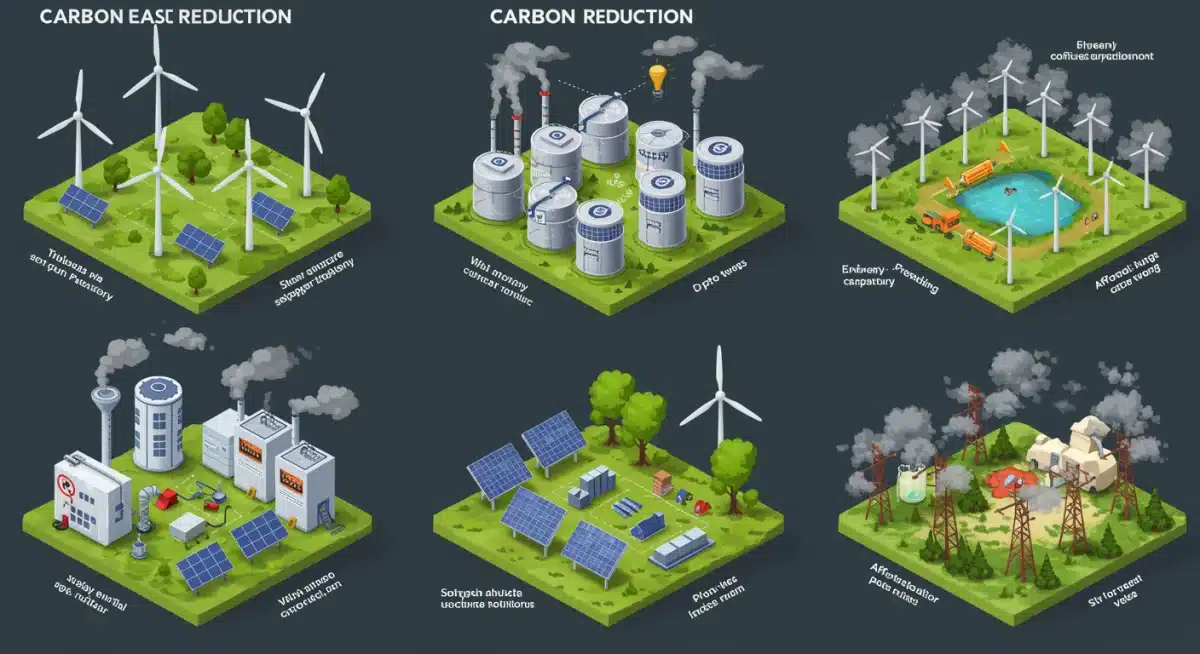
- Renewable Energy Transition: A significant portion will likely be allocated to supporting countries in transitioning from fossil fuels to renewable energy sources such as solar, wind, and geothermal. This includes funding for infrastructure development, technology transfer, and capacity building. The US Carbon Reduction Pledge aims to accelerate the deployment of clean energy solutions globally.
- Carbon Capture, Utilization, and Storage (CCUS): Investment in cutting-edge CCUS technologies will be crucial, particularly for hard-to-abate sectors. This funding will support research and development, pilot projects, and the scaling up of viable CCUS solutions worldwide. This represents a forward-looking aspect of the US Carbon Reduction Pledge.
- Forestry and Land Use: Protecting and restoring forests, mangroves, and other natural carbon sinks is a cost-effective way to reduce atmospheric carbon. Funds will support afforestation, reforestation, and sustainable land management practices, particularly in vulnerable ecosystems.
- Energy Efficiency: Promoting energy efficiency in industries, buildings, and transportation sectors can lead to substantial emissions reductions. The pledge will support programs that incentivize and facilitate the adoption of energy-efficient technologies and practices.
- Climate Adaptation and Resilience: While primarily focused on reduction, some funds may also be directed towards adaptation measures, recognizing that many developing nations are already grappling with the impacts of climate change. This includes early warning systems, climate-resilient infrastructure, and sustainable agriculture.
The strategic allocation of this fund underscores a holistic approach to climate action, acknowledging the interconnectedness of various environmental challenges and the need for diverse solutions. The US Carbon Reduction Pledge is designed to be impactful and far-reaching.
Strategic Impact and Global Collaboration
The strategic deployment of the US Carbon Reduction Pledge is expected to have a profound impact on global climate efforts. By directing funds towards initiatives that offer significant emissions reductions, foster economic development, and promote social equity, the US aims to create a model for effective international climate finance. This commitment is not just about financial aid; it’s about fostering a collaborative ecosystem where knowledge, technology, and best practices are shared freely.
One of the primary impacts will be the acceleration of renewable energy projects in developing and emerging economies. Many of these nations possess vast renewable energy potential but lack the initial capital and technological expertise to fully exploit it. The US Carbon Reduction Pledge will bridge this gap, enabling these countries to leapfrog directly to clean energy solutions, avoiding the carbon-intensive development pathways of the past. This will not only reduce global emissions but also create new economic opportunities, generate jobs, and improve energy access for millions.
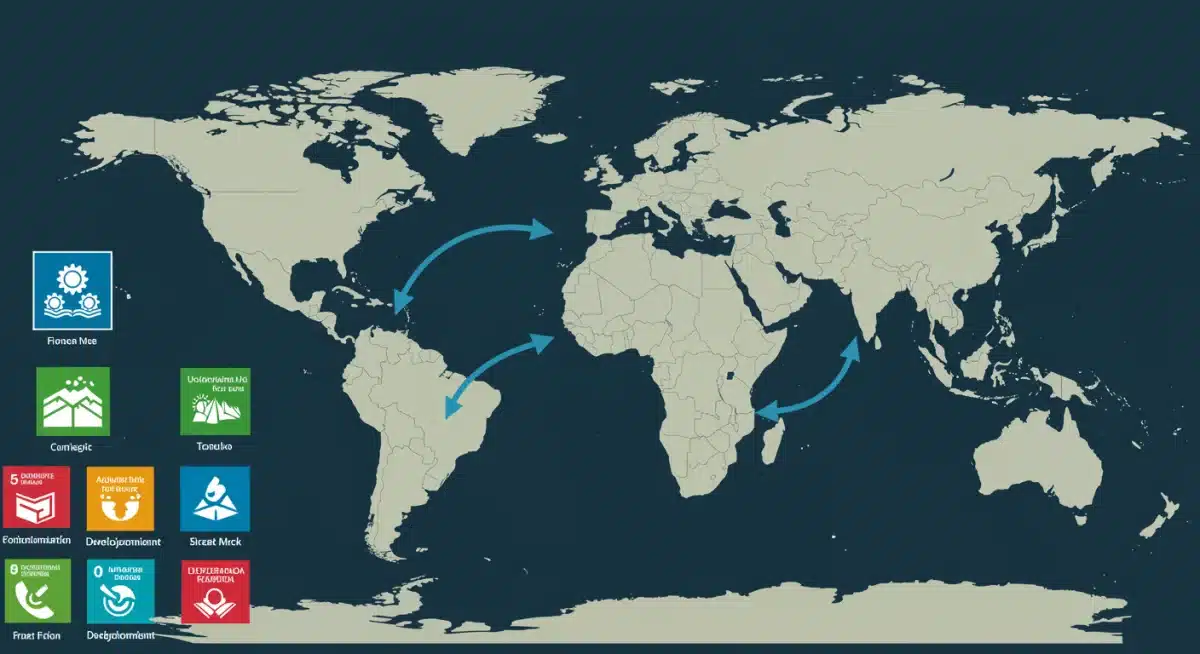
Furthermore, the pledge is anticipated to strengthen international partnerships and multilateral institutions. By working through established frameworks and collaborating with organizations like the Green Climate Fund and the World Bank, the US can ensure that its investment is coordinated, efficient, and reaches those who need it most. This collaborative approach is vital for building trust and ensuring the long-term sustainability of climate initiatives. The US Carbon Reduction Pledge reinforces the importance of global solidarity in addressing shared challenges.
Technological Innovation and Knowledge Transfer
A significant portion of the US Carbon Reduction Pledge will undoubtedly fuel technological innovation and facilitate knowledge transfer. The US has long been a leader in scientific research and technological development. This pledge will enable the sharing of advanced clean energy technologies, carbon capture solutions, and sustainable agricultural practices with nations that are eager to adopt them but may lack the resources. This includes:
- Advanced Solar and Wind Technologies: Funding to deploy high-efficiency solar panels and advanced wind turbines, along with smart grid technologies to integrate them effectively.
- Battery Storage Solutions: Investment in developing and deploying large-scale battery storage to ensure grid stability and reliability for renewable energy systems.
- Sustainable Agriculture Techniques: Supporting the adoption of climate-smart agriculture practices that reduce emissions while enhancing food security and farmer livelihoods.
- Early-Stage Research and Development: Allocating funds to international collaborative research projects aimed at developing next-generation carbon reduction technologies.
The emphasis on knowledge transfer is particularly important. It’s not enough to simply provide technology; it’s crucial to empower local communities and institutions with the skills and expertise to manage, maintain, and further innovate these solutions. This capacity building component of the US Carbon Reduction Pledge ensures that the impact is sustainable and self-perpetuating.
Challenges and Opportunities Ahead
While the US Carbon Reduction Pledge is a beacon of hope, its implementation will not be without challenges. Ensuring effective oversight, preventing corruption, and tailoring solutions to diverse local contexts will require careful planning and execution. The success of this initiative will hinge on robust monitoring and evaluation frameworks, ensuring that the funds are used efficiently and achieve their intended carbon reduction goals.
One of the main challenges will be navigating the complex geopolitical landscape. Climate finance can sometimes become entangled in political considerations, and ensuring that the funds are deployed based on scientific need and impact rather than political expediency will be paramount. Transparency and accountability will be key to building trust and maintaining international support for the US Carbon Reduction Pledge.
However, the opportunities presented by this pledge are immense. Beyond the direct environmental benefits of reduced emissions, the investment can stimulate green economic growth, foster job creation, and improve public health outcomes globally. By investing in sustainable development, the US is not only addressing climate change but also contributing to poverty alleviation and enhanced quality of life in partner nations. The US Carbon Reduction Pledge offers a pathway to a more sustainable and equitable future.
Building a Resilient Future
The US Carbon Reduction Pledge represents a significant step towards building a more resilient future for all. Climate change is a systemic threat that requires systemic solutions, and this pledge signals a commitment to a comprehensive, interconnected approach. It acknowledges that the fate of developed and developing nations alike is intertwined when it comes to climate stability.
By empowering nations to transition to cleaner energy, protect their natural resources, and adapt to changing climate conditions, the US is investing in global stability and security. Climate change often exacerbates existing vulnerabilities, leading to resource scarcity, displacement, and conflict. By addressing the root causes and impacts of climate change, the US Carbon Reduction Pledge contributes to a more peaceful and prosperous world.
Furthermore, this commitment sends a strong signal to the private sector. Large-scale government investments often de-risk green technologies and create new markets, encouraging private companies to invest further in sustainable solutions. This catalytic effect can unlock even greater financial flows towards climate action, multiplying the impact of the initial pledge. The US Carbon Reduction Pledge is a call to action for all stakeholders.
Long-Term Vision and Accountability
The success of the US Carbon Reduction Pledge will ultimately be judged by its long-term impact on global emissions trajectories and the well-being of communities worldwide. This necessitates a clear long-term vision and robust accountability mechanisms. The US government has indicated that it will work closely with international partners to establish transparent reporting procedures and performance indicators.
Regular reviews and assessments will be crucial to ensure that the funds are being utilized effectively and that projects are delivering the promised carbon reductions. This iterative process will allow for adjustments and course corrections, ensuring that the investment remains agile and responsive to evolving climate challenges and scientific understanding. The US Carbon Reduction Pledge is a dynamic commitment, not a static one.
Moreover, the pledge is expected to foster greater accountability among all nations. By leading with such a significant financial commitment, the US is setting a precedent and encouraging other major economies to increase their contributions to international climate finance. This collective responsibility is essential for achieving the ambitious goals set forth in international climate agreements.
The Role of Public and Private Partnerships
While the US Carbon Reduction Pledge is a government-led initiative, its full potential can only be realized through strong public and private partnerships. Private sector innovation, investment, and expertise are indispensable for scaling up climate solutions. The pledge can act as a catalyst, de-risking investments in green technologies and creating new market opportunities that attract private capital.
For instance, government grants and concessional loans can reduce the initial financial burden for companies investing in renewable energy projects in high-risk regions. This blended finance approach can unlock billions of dollars in private investment, far exceeding the initial government contribution. The US Carbon Reduction Pledge aims to leverage this multiplier effect.
Furthermore, collaboration with research institutions, universities, and non-profit organizations will be vital for developing innovative solutions, conducting impact assessments, and ensuring community engagement. These partnerships bring diverse perspectives and expertise, enhancing the effectiveness and sustainability of the initiatives supported by the US Carbon Reduction Pledge.
Conclusion: A Bold Step Towards a Sustainable Future
The US Carbon Reduction Pledge of $50 billion at the Global Climate Summit 2026 marks a historic turning point in the international fight against climate change. It is a powerful testament to the United States’ renewed leadership and unwavering commitment to addressing one of humanity’s most pressing challenges. This substantial financial commitment, coupled with a strategic approach to deployment, has the potential to accelerate the global transition to a low-carbon economy, foster sustainable development, and build a more resilient future for all.
While challenges remain, the opportunities presented by this pledge are immense. By investing in renewable energy, carbon capture, sustainable land use, and technological innovation, the US is not only working to reduce global emissions but also to create economic growth, improve public health, and strengthen international cooperation. The US Carbon Reduction Pledge is more than just money; it is a declaration of intent, a vision for a world where humanity and nature can thrive in harmony.
The coming years will be crucial in translating this pledge into tangible results. With sustained effort, transparent governance, and collaborative spirit, the $50 billion investment can indeed usher in a new era of climate action, demonstrating that collective ambition can overcome even the most daunting global challenges. The world watches with anticipation as the US Carbon Reduction Pledge begins to unfold its transformative potential.