LIHEAP 2026: Secure Up to $750 in Heating & Cooling Benefits

The chill of winter and the sweltering heat of summer can bring more than just discomfort; they often bring a significant increase in utility bills, posing a substantial financial burden for many households. For low-income families and individuals, managing these essential costs can be a constant struggle. Fortunately, the Low Income Home Energy Assistance Program (LIHEAP) stands as a vital lifeline, offering much-needed support to ensure homes remain safe and comfortable year-round. As we look ahead to 2026, understanding how to navigate and secure these critical benefits is more important than ever.
This comprehensive guide is designed to demystify LIHEAP Energy Assistance 2026, providing you with all the essential information needed to apply, qualify, and potentially receive up to $750 in heating and cooling benefits. We’ll delve into the program’s purpose, who is eligible, the application process, and crucial tips to maximize your chances of receiving assistance. Our goal is to empower you with the knowledge to keep your home warm in winter and cool in summer without undue financial stress. Let’s explore how LIHEAP can make a tangible difference in your household budget and overall well-being.
What is LIHEAP and Why is it Crucial for 2026?
The Low Income Home Energy Assistance Program (LIHEAP) is a federally funded program that helps low-income households with their energy bills. Administered by states and tribal organizations, LIHEAP provides financial assistance for heating, cooling, and even energy crisis intervention. It’s not just about paying bills; it’s about preventing energy shut-offs, making energy costs more manageable, and ensuring that vulnerable populations can maintain a safe and healthy living environment. The program is designed to alleviate the financial strain that high energy costs place on families, especially during extreme weather conditions.
For 2026, LIHEAP continues to be a cornerstone of federal support for energy affordability. With fluctuating energy prices and the ongoing economic challenges faced by many, the program’s role is more critical than ever. It acts as a buffer against energy poverty, allowing households to allocate their limited resources to other essential needs like food, healthcare, and housing. Understanding this program is the first step towards accessing the support you may be entitled to, ensuring your home remains a sanctuary regardless of the season.
The Core Objectives of LIHEAP Energy Assistance 2026
- Heating Assistance: Helps eligible households pay for home heating costs, particularly crucial during the colder months when heating expenses can skyrocket.
- Cooling Assistance: Provides support for cooling costs, which is vital in regions experiencing extreme summer temperatures, preventing heat-related illnesses.
- Energy Crisis Assistance: Offers immediate help to households facing an energy emergency, such as a utility shut-off notice or a broken heating/cooling system.
- Weatherization and Energy-Related Home Repairs: In some cases, LIHEAP funds can be used for minor energy-related home repairs or weatherization services to improve energy efficiency, thereby reducing future energy consumption and costs.
These objectives underscore the comprehensive nature of LIHEAP, aiming to address not only immediate financial needs but also to foster long-term energy stability for low-income households. The program’s flexibility allows states to tailor their services to meet the specific needs of their populations, making it a highly adaptable and effective form of assistance.
Who is Eligible for LIHEAP Energy Assistance 2026?
Eligibility for LIHEAP Energy Assistance 2026 is primarily based on income, household size, and residency. While federal guidelines provide a framework, specific criteria can vary slightly from state to state, as each state administers its own program. It’s crucial to check with your local LIHEAP office for the most accurate and up-to-date eligibility requirements in your area.
Income Guidelines
Generally, to qualify for LIHEAP, your household income must be at or below 150% of the federal poverty level or 60% of the state’s median income, whichever is greater. Some states may also consider households receiving certain means-tested public assistance benefits, such as SNAP (Supplemental Nutrition Assistance Program) or TANF (Temporary Assistance for Needy Families), as automatically eligible. It’s important to remember that these income thresholds are subject to change annually, so verifying the current limits for 2026 is a critical first step.
Household Composition and Other Factors
Beyond income, other factors may influence eligibility and the amount of assistance you receive:
- Household Size: Larger households typically have higher income thresholds for eligibility.
- Presence of Vulnerable Individuals: Households with elderly individuals, people with disabilities, or young children (especially those under six years old) may receive priority or higher benefit amounts.
- Energy Burden: Some states consider your household’s energy burden – the percentage of your income spent on energy costs – when determining eligibility and benefit levels.
- Residency: You must be a resident of the state or tribal area where you are applying.
- Citizenship/Immigration Status: While LIHEAP is primarily for U.S. citizens and qualified aliens, specific rules can vary. It’s best to confirm with your local agency.
Understanding these eligibility criteria is fundamental to successfully applying for LIHEAP Energy Assistance 2026. Don’t assume you won’t qualify; many households are surprised to find they meet the requirements. A quick call or visit to your local LIHEAP office can clarify your specific situation.
How to Apply for LIHEAP Energy Assistance 2026: A Step-by-Step Guide
The application process for LIHEAP Energy Assistance 2026 can seem daunting, but by breaking it down into manageable steps, you can navigate it efficiently. While specific procedures may vary by state and local agency, the general outline remains consistent.
Step 1: Locate Your Local LIHEAP Office
The first and most crucial step is to find the LIHEAP agency responsible for your area. This could be a state agency, a local community action agency, or a tribal organization. You can typically find this information by:
- Visiting the official LIHEAP website of the U.S. Department of Health and Human Services (HHS) for a state-by-state directory.
- Searching online for "LIHEAP + [Your State/County]".
- Calling 211 (a national information and referral service) for local resources.
Once you’ve identified your local agency, contact them to confirm specific application procedures, required documentation, and application periods for LIHEAP Energy Assistance 2026.
Step 2: Gather Required Documentation
Preparation is key to a smooth application. You will generally need to provide the following documents:
- Proof of Income: This includes pay stubs, Social Security benefit letters, unemployment statements, pension statements, or other documents verifying income for all household members for a specified period (e.g., the last 30 days or three months).
- Proof of Residency: A utility bill, lease agreement, or other official mail with your current address.
- Utility Bills: Copies of your most recent heating and/or cooling bills. If your utilities are included in your rent, you might need a statement from your landlord.
- Household Member Information: Names, dates of birth, and Social Security numbers for all individuals living in your household.
- Identification: Photo ID for the primary applicant.
- Other Documents: Depending on your situation and state requirements, you might need proof of disability, medical conditions requiring specific temperatures, or other relevant information.
Always double-check with your local agency for a precise list of required documents for LIHEAP Energy Assistance 2026 to avoid delays.
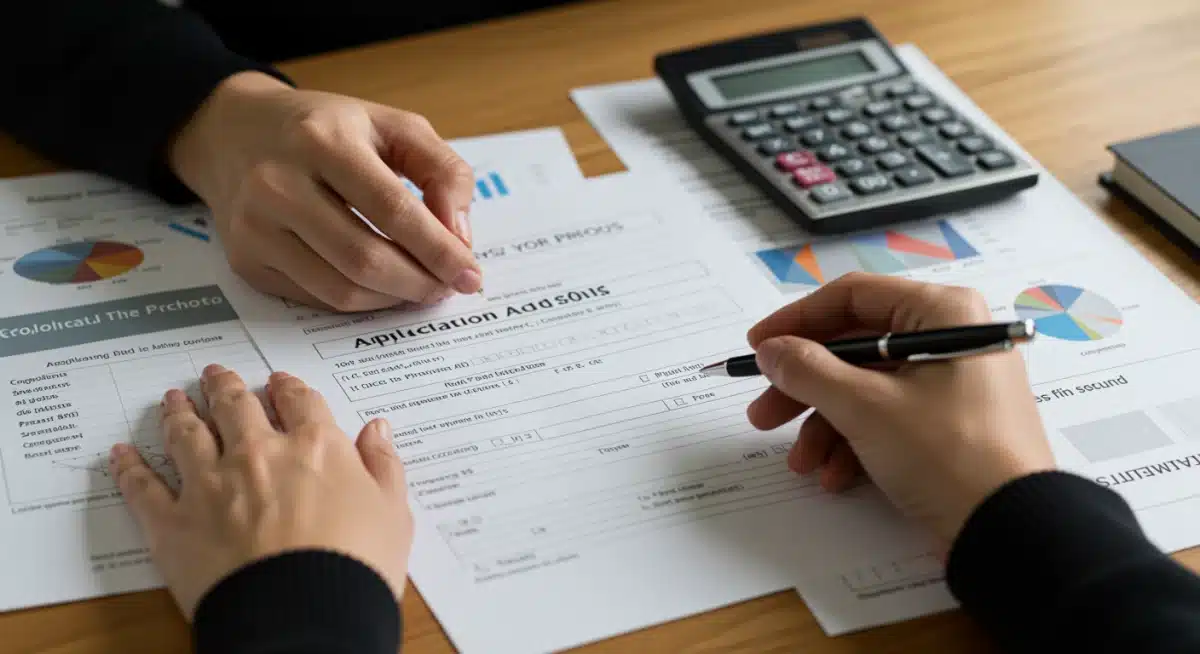
Step 3: Complete the Application Form
Fill out the application form accurately and completely. Many agencies now offer online applications, making the process more convenient. If applying in person or by mail, ensure all sections are legible and all questions are answered. Do not leave any fields blank; if a question doesn’t apply to you, write "N/A." Be honest and thorough in your responses.
Step 4: Submit Your Application
Submit your completed application and all supporting documents according to your local agency’s instructions. This could be online, by mail, or in person. Keep copies of everything you submit for your records. Ask for a confirmation or receipt if you submit in person. Be aware of application deadlines, as some states have specific enrollment periods for heating and cooling assistance for LIHEAP Energy Assistance 2026.
Step 5: Follow Up
After submitting your application, it’s a good idea to follow up with the agency if you haven’t heard back within their stated processing time. This allows you to confirm receipt of your application and inquire about its status. Persistence and proactive communication can help ensure your application for LIHEAP Energy Assistance 2026 is processed in a timely manner.
Maximizing Your LIHEAP Benefits: Up to $750 and Beyond
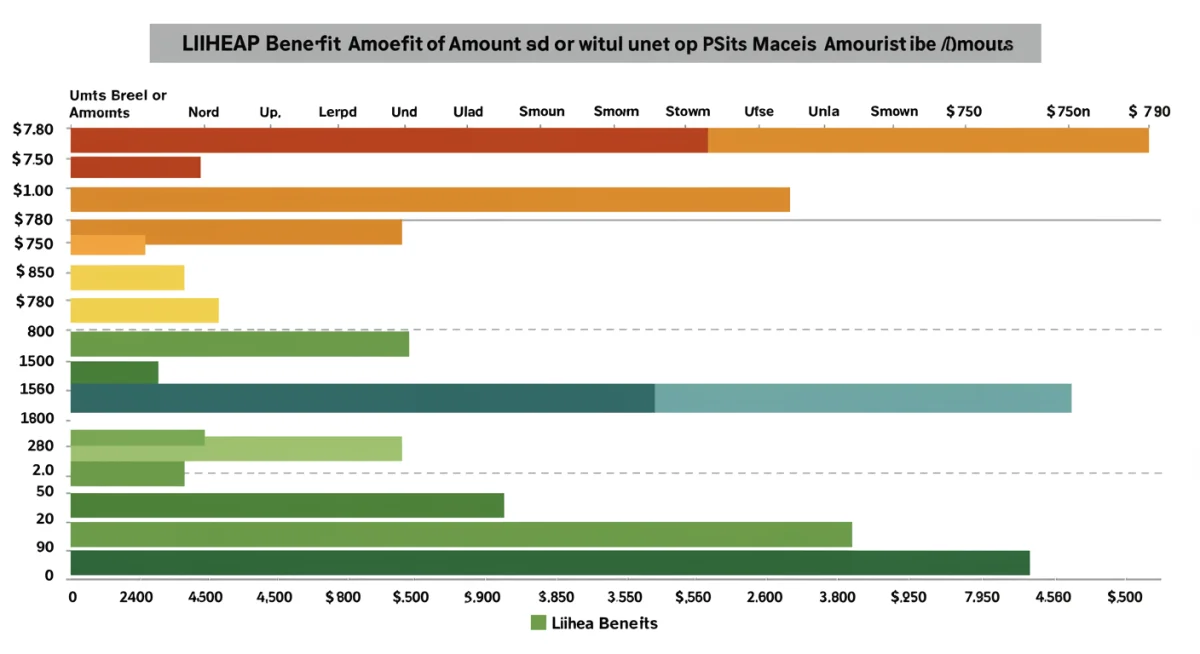
While the prospect of receiving up to $750 in LIHEAP Energy Assistance 2026 is a significant relief, the exact amount you receive will depend on several factors, including your income, household size, energy costs, and the availability of funds in your state. Understanding how these factors influence benefits can help you set realistic expectations and explore additional avenues for support.
Factors Influencing Benefit Amounts
- State Funding Levels: Each state receives a block grant from the federal government, which it then allocates to eligible households. The total amount of funding available can fluctuate year to year.
- Household Income vs. Poverty Level: Households with incomes significantly below the federal poverty line typically receive higher benefits.
- High Energy Burden: If your energy costs consume a large portion of your income, you may be prioritized for higher assistance.
- Vulnerable Household Members: As mentioned, the presence of elderly, disabled, or very young individuals can lead to increased benefits.
- Type of Assistance: Emergency crisis assistance might offer different amounts compared to regular heating or cooling assistance.
It’s important to note that the "up to $750" figure is an illustrative example of what some households might receive, and actual benefits can be higher or lower depending on individual circumstances and state policies. Some states may provide more, while others might offer less. The key is to apply and let the local agency assess your specific needs for LIHEAP Energy Assistance 2026.
Beyond Direct Payments: Energy Efficiency and Crisis Intervention
LIHEAP Energy Assistance 2026 isn’t solely about direct payments to utility companies or households. It also encompasses critical services aimed at long-term energy stability:
- Energy Crisis Intervention: If you’ve received a shut-off notice, or your heating/cooling system has failed, LIHEAP can often provide expedited assistance to address the immediate crisis, reconnecting services or facilitating emergency repairs.
- Weatherization Services Referrals: While not always directly funded by LIHEAP, many LIHEAP agencies can refer eligible households to weatherization assistance programs. These programs provide free home improvements (like insulation, air sealing, or furnace repair) to make your home more energy-efficient, significantly reducing your energy bills in the long run. This is a powerful complement to direct financial aid.
- Energy Education: Some LIHEAP programs offer educational resources on how to conserve energy, further empowering households to manage their utility costs effectively.
By leveraging all aspects of LIHEAP and related programs, households can achieve more than just temporary relief; they can build a foundation for sustainable energy affordability. Don’t hesitate to inquire about these additional services when you apply for LIHEAP Energy Assistance 2026.
Common Challenges and How to Overcome Them
While LIHEAP is a crucial program, applicants may encounter certain challenges during the application process. Being aware of these issues and knowing how to address them can significantly improve your experience and success rate for LIHEAP Energy Assistance 2026.
Challenge 1: Missing or Incomplete Documentation
This is one of the most common reasons for application delays or rejections. Agencies require precise and complete information to verify eligibility.
Solution: Before you even start filling out the application, create a checklist of all required documents specific to your local agency. Gather everything well in advance. If you’re missing a document (e.g., a recent pay stub), contact your employer or the relevant institution to obtain it. If you genuinely cannot get a document, explain the situation to the LIHEAP office; they might offer alternative verification methods.
Challenge 2: Long Waiting Times and Delays
Due to high demand, especially during peak seasons (winter for heating, summer for cooling), processing times can be long, and phone lines might be busy.
Solution: Apply as early as possible once the application period opens for LIHEAP Energy Assistance 2026. If applying online, do so during off-peak hours. If you must call, try early in the morning. Be patient, but also be persistent in following up if you haven’t heard anything within the stated timeframe. Keep a record of all communication, including dates, times, and who you spoke with.
Challenge 3: Misunderstanding Eligibility Criteria
The income and household composition rules can sometimes be confusing, leading applicants to believe they are ineligible when they might not be, or vice versa.
Solution: Don’t make assumptions. Contact your local LIHEAP office directly and ask specific questions about your household’s unique situation. They can clarify income calculations, what counts as household income, and how specific circumstances (like self-employment or irregular income) are handled for LIHEAP Energy Assistance 2026.
Challenge 4: Language Barriers
For non-English speakers, navigating government forms and communicating with agencies can be a significant hurdle.
Solution: Many LIHEAP agencies offer multilingual assistance or have staff who can help in various languages. Inquire about translation services or if you can bring a trusted interpreter with you. Online forms may also have language options. Utilize community organizations that specialize in assisting non-English speaking populations with government applications.
Challenge 5: Application Denial
Receiving a denial can be disheartening, but it’s not always the final answer.
Solution: If your application for LIHEAP Energy Assistance 2026 is denied, you have the right to appeal the decision. Carefully read the denial letter to understand the specific reason. Gather any additional documentation or clarification that addresses the reason for denial, and follow the appeal instructions provided. Sometimes, a simple oversight or misunderstanding can be corrected during the appeals process.
Additional Resources and Programs for Energy Assistance
While LIHEAP Energy Assistance 2026 is a cornerstone, it’s important to remember that it’s often part of a broader ecosystem of support programs. Many states and utility companies offer additional assistance that can supplement LIHEAP benefits or provide aid to those who don’t qualify for LIHEAP.
State-Specific Energy Assistance Programs
Beyond federal LIHEAP funds, many states operate their own energy assistance programs. These might have different eligibility criteria or offer different types of aid. For example, some states have programs specifically for seniors, individuals with disabilities, or families with young children. Check your state’s Department of Social Services or Public Utilities Commission websites for information on these programs.
Utility Company Assistance Programs
Many utility providers (electric, gas, and even some water companies) offer their own low-income assistance programs, payment plans, or hardship funds. These can include:
- Percentage of Income Payment Plans (PIPP): These plans cap your utility bill at a certain percentage of your income, making it more predictable and affordable.
- Arrearage Management Programs: Designed to help customers pay down past-due balances.
- Discounted Rates: Some utilities offer lower rates for eligible low-income customers.
- Emergency Funds: Often supported by customer donations and matched by the utility, these funds provide one-time assistance during crises.
Always contact your specific utility providers directly to inquire about their assistance options. They are often your best resource for immediate help and can guide you through their specific programs.
Non-Profit and Community Organizations
Numerous non-profit organizations and community action agencies (many of which also administer LIHEAP) offer a range of services, including energy bill assistance, financial counseling, and referrals to other resources. Organizations like the Salvation Army, Catholic Charities, and local community centers often have programs to help with utility costs. Don’t underestimate the power of local support networks.
Weatherization Assistance Program (WAP)
The federal Weatherization Assistance Program (WAP) helps low-income households reduce their energy bills by making their homes more energy-efficient. This can include improvements like sealing air leaks, adding insulation, repairing or replacing inefficient heating/cooling systems, and addressing health and safety issues. WAP services are typically free for eligible households and can result in significant, long-term savings on energy bills. Even if you receive LIHEAP Energy Assistance 2026, applying for WAP can provide lasting benefits.
By exploring all these avenues of support, you can create a more robust financial safety net for your household, ensuring that essential energy needs are met without compromising other critical expenses. Proactive research and communication with these various entities are key to unlocking the full spectrum of available aid.
Future Outlook for LIHEAP Energy Assistance 2026 and Beyond
The landscape of energy assistance programs, including LIHEAP Energy Assistance 2026, is constantly evolving. Factors such as federal budget allocations, energy market fluctuations, and changing climate patterns all play a role in shaping the program’s future. Understanding these dynamics can help individuals and communities advocate for continued support and prepare for potential shifts.
Anticipated Trends and Challenges
- Funding Levels: Federal funding for LIHEAP is subject to annual appropriations by Congress. While the program enjoys bipartisan support, its funding levels can fluctuate depending on economic conditions and political priorities. Advocacy efforts are crucial to maintain robust funding.
- Growing Demand: Economic disparities and the increasing frequency of extreme weather events (both cold snaps and heatwaves) are likely to continue driving high demand for energy assistance. This places pressure on existing resources and highlights the need for efficient program administration.
- Focus on Energy Efficiency: There’s a growing emphasis on not just providing direct bill assistance but also on long-term solutions like weatherization and energy education. This dual approach aims to reduce the overall energy burden on low-income households.
- Climate Change Adaptation: As climate change leads to more severe weather, the role of LIHEAP in providing both heating and cooling assistance becomes even more critical for public health and safety.
Advocacy and Community Engagement
For those who rely on LIHEAP Energy Assistance 2026, or those who wish to support its mission, staying informed and engaged is vital. Community action agencies and advocacy groups often spearhead efforts to ensure LIHEAP remains a well-funded and accessible program. Participating in local meetings, contacting elected officials, and spreading awareness can contribute to the program’s longevity and effectiveness.
The enduring importance of LIHEAP underscores the fundamental right to safe and affordable home energy. As we move into 2026 and beyond, the program will continue to adapt to meet the evolving needs of vulnerable populations, striving to ensure that no household is left in the cold or heat due to financial hardship. By understanding and utilizing LIHEAP, you are not just securing benefits for yourself; you are also contributing to a more resilient and equitable energy future for all.
Conclusion: Your Path to Energy Security with LIHEAP Energy Assistance 2026
Navigating the costs of heating and cooling your home can be one of the most significant financial challenges for low-income households. The Low Income Home Energy Assistance Program (LIHEAP) offers a powerful solution, providing essential financial aid that can alleviate this burden and ensure your home remains a comfortable and safe environment throughout the year. With the potential to secure up to $750 in benefits, LIHEAP Energy Assistance 2026 is a resource that no eligible household should overlook.
We’ve covered the crucial aspects of LIHEAP, from understanding its core objectives and determining your eligibility based on income and household factors, to a detailed step-by-step guide on the application process. We’ve also explored how to maximize your benefits, looking beyond direct payments to include crisis intervention and referrals to invaluable weatherization services. Furthermore, we’ve equipped you with strategies to overcome common application challenges and highlighted additional resources available through state programs, utility companies, and non-profit organizations.
The key takeaway is clear: proactive engagement is essential. Start by researching your local LIHEAP agency’s specific requirements and application periods. Gather all necessary documentation diligently and submit your application accurately and completely. Don’t hesitate to follow up or seek clarification if needed. Remember, LIHEAP is more than just a payment; it’s a comprehensive program designed to foster energy security and improve the quality of life for millions.
As we head into 2026, empower yourself and your family by utilizing the LIHEAP Energy Assistance program. It’s a critical step towards managing your energy costs, maintaining a healthy home environment, and achieving greater financial stability. Take action today to ensure your home stays warm this winter and cool next summer, with the support you deserve.