2026 US University Scholarships: Maximize Your Chances for $10,000+ Awards

Maximizing Your Chances: A 2026 Guide to Securing Competitive US University Scholarships (Average $10,000+)
The dream of pursuing higher education in the United States is a powerful motivator for students worldwide. However, the financial commitment can often be daunting. This is where US University Scholarships become a game-changer. For the 2026 academic year, countless opportunities exist for prospective students to secure significant financial aid, often averaging $10,000 or more. This comprehensive guide will walk you through the intricacies of navigating the scholarship landscape, providing actionable strategies to enhance your application and turn your academic aspirations into reality.
Securing a scholarship is more than just getting money for tuition; it’s an acknowledgment of your academic merit, leadership potential, and commitment to your chosen field. It can open doors to unparalleled educational experiences, networking opportunities, and a future career path paved with success. With the right approach and diligent preparation, you can significantly increase your chances of earning one of these coveted awards.
Understanding the Scholarship Landscape for 2026
Before diving into the application process, it’s crucial to understand the different types of US University Scholarships available. The landscape is vast and varied, catering to a wide range of students with diverse backgrounds, academic achievements, and extracurricular involvements. Knowing what’s out there will help you tailor your search and focus your efforts effectively.
Merit-Based Scholarships
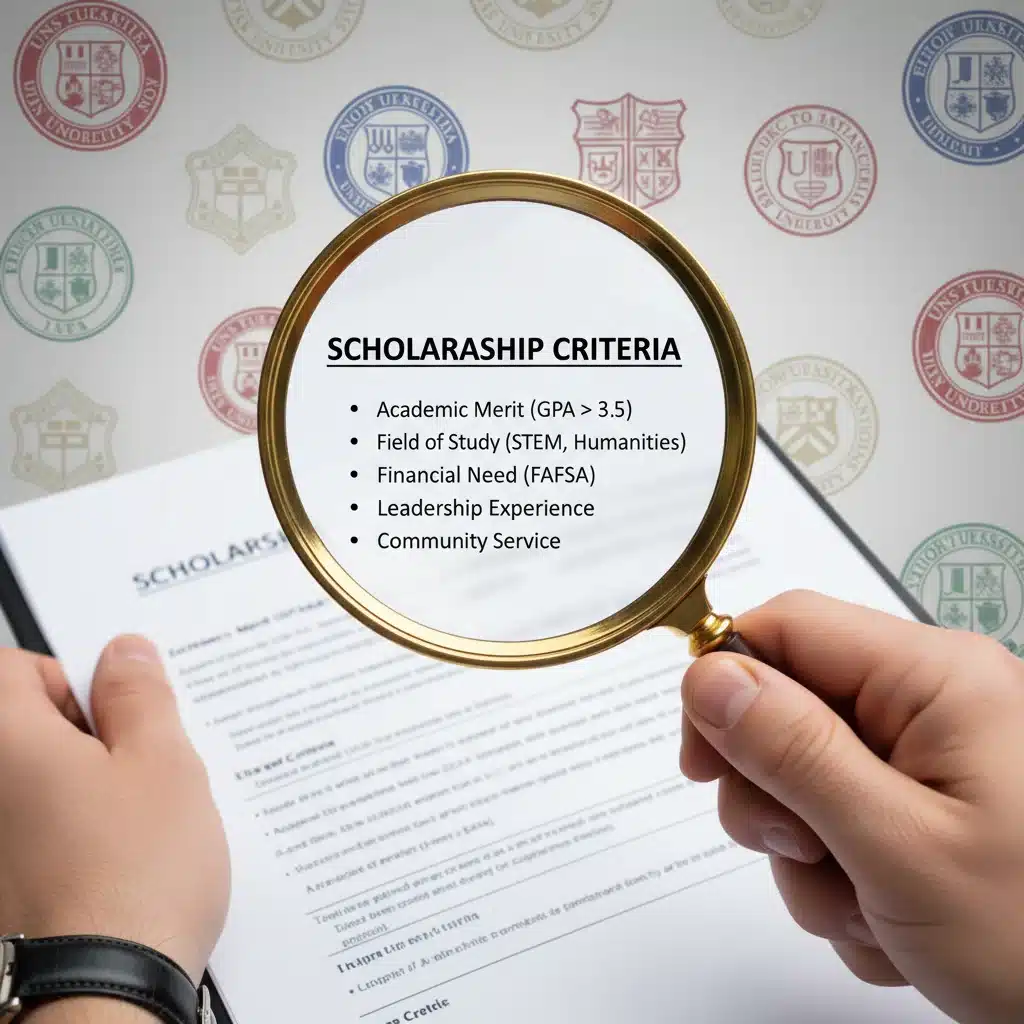
These are perhaps the most common type of scholarships and are awarded based on a student’s academic excellence. High GPAs, strong standardized test scores (SAT/ACT), impressive essays, and outstanding letters of recommendation are key factors. Many universities offer merit scholarships directly, often automatically considering applicants based on their admissions application. These can range from partial tuition waivers to full rides, and a significant number of these awards average well over $10,000.
Need-Based Scholarships
Unlike merit-based scholarships, these are awarded based on a student’s financial need. Universities and organizations assess a family’s income, assets, and expenses to determine the level of financial assistance required. To apply for need-based aid at US institutions, international students often need to complete specific financial aid forms, such as the CSS Profile, in addition to the university’s own financial aid applications. Domestic students will typically complete the Free Application for Federal Student Aid (FAFSA).
Athletic Scholarships
For students with exceptional athletic talent, universities participating in NCAA (National Collegiate Athletic Association) divisions I and II, and NAIA (National Association of Intercollegiate Athletics) offer scholarships to recruit talented athletes. These scholarships can cover a substantial portion of tuition, room, and board. Prospective student-athletes need to register with the NCAA Eligibility Center and work closely with coaches and admissions offices.
Specific Group or Niche Scholarships
This category encompasses a broad array of scholarships targeting students based on their:
- Major or Field of Study: Many departments or external organizations offer scholarships for specific fields like engineering, nursing, arts, or education.
- Demographic Background: Scholarships are available for students from specific ethnic backgrounds, religious affiliations, or first-generation college students.
- Extracurricular Activities: Awards for leadership, community service, debate, music, or other talents.
- Location: Some scholarships are specific to students from certain states, countries, or regions.
The key to finding these niche scholarships is thorough research, which we’ll delve into in the next section.
Strategic Planning: Your Roadmap to Scholarship Success
Securing US University Scholarships for 2026 requires more than just good grades; it demands a strategic and organized approach. Starting early is perhaps the most critical piece of advice.
Start Early, Stay Organized
Ideally, you should begin your scholarship search at least 12-18 months before your intended enrollment date. For 2026 applicants, this means starting your research in late 2024 or early 2025. Create a detailed timeline with deadlines for applications, essays, recommendations, and financial aid forms. Use a spreadsheet or a dedicated scholarship tracking tool to keep everything organized. This proactive approach will prevent last-minute rushes and ensure you don’t miss out on valuable opportunities.
Research, Research, Research
The internet is your most powerful tool in the scholarship hunt. Here’s where to look:
- University Websites: Every US university has a financial aid section on its website. This is the primary source for institutional scholarships. Pay close attention to specific departmental scholarships, international student aid, and any specific application processes.
- Scholarship Search Engines: Websites like Fastweb, Scholarship.com, Chegg, Cappex, and College Board’s BigFuture are excellent resources. They allow you to create profiles and match you with scholarships based on your criteria.
- Government and Non-Profit Organizations: Look for scholarships offered by government agencies, foundations, professional associations, and community organizations. Fulbright, Rotary International, and various cultural exchange programs are examples.
- Local Resources: Don’t overlook opportunities within your own community, high school, or local businesses. Many local organizations offer scholarships to students from their area.
- Professional Organizations: If you have a specific career path in mind, research professional organizations related to that field. They often have scholarships to encourage new talent.
As you research, make a note of eligibility requirements, application components, and specific deadlines for each scholarship. Many US University Scholarships have unique criteria, so a one-size-fits-all approach won’t work.

Crafting a Winning Application for US University Scholarships
Once you’ve identified potential US University Scholarships, the next step is to create an application that stands out. This involves showcasing your strengths, articulating your goals, and demonstrating why you are the ideal candidate.
Academic Excellence and Standardized Tests
Maintain a strong academic record throughout high school or your previous academic career. High GPAs are paramount for merit-based scholarships. For standardized tests like the SAT or ACT, aim for scores that are competitive for your target universities. Consider retaking these tests if you believe you can improve your scores. Many scholarships use these as initial screening tools.
Compelling Essays and Personal Statements
The essay is often your best opportunity to convey your personality, passion, and unique story. Scholarship committees want to know who you are beyond your grades. Here are some tips:
- Answer the Prompt Directly: Carefully read and understand the essay question.
- Be Authentic: Share personal experiences, challenges, and lessons learned.
- Show, Don’t Just Tell: Use vivid descriptions and anecdotes.
- Highlight Your Strengths: Connect your experiences to the scholarship’s values or mission.
- Proofread Meticulously: Errors can detract from even the most brilliant essay. Have multiple people review your work.
Remember, your essay should complement other parts of your application, not simply repeat them.
Strong Letters of Recommendation
Choose recommenders who know you well and can speak to your academic abilities, character, and potential. Ideally, these are teachers, counselors, or mentors who have observed your work ethic and contributions. Provide them with ample time, your resume, a list of your achievements, and the specific scholarship requirements. A strong letter of recommendation can significantly bolster your application for US University Scholarships.
Showcasing Extracurricular Activities and Leadership
Scholarship committees look for well-rounded individuals. Your involvement in extracurricular activities, volunteer work, internships, and leadership roles demonstrates initiative, commitment, and a willingness to contribute. Quantify your achievements where possible (e.g., ‘Led a team of 5 volunteers,’ ‘Raised $X for charity’). These experiences illustrate your ability to balance academics with other responsibilities and your potential to make a positive impact.
Financial Aid Forms (FAFSA/CSS Profile)
If you’re applying for need-based scholarships, accurately completing the FAFSA (for US citizens and eligible non-citizens) and/or the CSS Profile (often required for international students and by private institutions) is crucial. These forms collect detailed financial information to determine your Expected Family Contribution (EFC). Be honest and thorough, as inaccuracies can delay or jeopardize your aid package.
Advanced Strategies for Increasing Your Scholarship Odds
Beyond the basics, several advanced strategies can give you an edge in the competitive world of US University Scholarships.
Networking and Mentorship
Connect with current university students, alumni, and professionals in your desired field. They might have insights into lesser-known scholarships or can offer advice on the application process. A mentor can provide invaluable guidance, review your essays, and even introduce you to relevant opportunities.
Targeting Smaller, Niche Scholarships
While large, well-known scholarships are highly competitive, don’t overlook smaller, niche awards. These often have fewer applicants, increasing your chances of success. They might target specific interests, unique talents, or even unusual hobbies. A cumulative effect of several smaller scholarships can add up to a significant amount, easily exceeding the $10,000 average.
Interview Preparation
Some competitive scholarships require an interview. Prepare by researching the organization, understanding their mission, and practicing answering common interview questions. Be ready to articulate your goals, explain your passion, and discuss how you embody the values the scholarship seeks to promote.
Demonstrating Persistence and Resilience
The scholarship search can be long and sometimes discouraging. Not every application will result in an award. However, persistence is key. Learn from rejections, refine your applications, and continue searching for new opportunities. Your determination itself can be a valuable trait that some scholarship committees appreciate.
Common Pitfalls to Avoid When Applying for US University Scholarships
Even the most prepared students can make mistakes that hinder their scholarship chances. Being aware of these common pitfalls can help you avoid them.
Missing Deadlines
This is perhaps the most common and easily avoidable mistake. A late application is almost always an automatically rejected application. Double-check all deadlines and submit your materials well in advance.
Not Following Instructions
Every scholarship has specific instructions regarding essay length, formatting, required documents, and submission methods. Failing to follow these instructions precisely can lead to disqualification. Pay meticulous attention to detail.
Generic Applications
Submitting the same essay or personal statement to multiple scholarships without tailoring it to each specific award is a common error. Each scholarship has a unique mission and criteria; your application should reflect that you understand and align with them. Generic applications rarely stand out.
Lack of Proofreading
Typos, grammatical errors, and awkward phrasing can make a negative impression. Always proofread your entire application, and ideally, have someone else review it as well. A fresh pair of eyes can catch mistakes you might have missed.
Not Applying to Enough Scholarships
The more quality applications you submit, the higher your chances of success. Don’t put all your eggs in one basket. Cast a wide net, applying to a diverse range of US University Scholarships that you qualify for.
Underestimating the Time Commitment
Applying for scholarships is a significant time investment. Between research, essay writing, gathering recommendations, and completing forms, it can take dozens of hours. Factor this into your schedule to avoid burnout and ensure quality submissions.
Key Takeaways for 2026 Applicants
As you embark on your journey to secure US University Scholarships for the 2026 academic year, remember these crucial points:
- Start Early: Proactive planning is your biggest asset.
- Research Extensively: Explore all types of scholarships – merit, need-based, athletic, and niche.
- Tailor Your Applications: Customize essays and highlight relevant experiences for each scholarship.
- Maintain Academic Excellence: Strong grades and test scores are foundational.
- Showcase Your Whole Self: Extracurriculars, leadership, and personal qualities matter.
- Seek Strong Recommendations: Choose mentors who can genuinely advocate for you.
- Proofread Diligently: Present a polished, error-free application.
- Be Persistent: The process can be challenging, but your determination will pay off.
The average scholarship award of $10,000+ is a significant boost towards funding your education. Many students successfully piece together multiple scholarships to cover a substantial portion, if not all, of their university costs. Your dream of studying in the US is attainable, and with diligent effort and strategic planning, these scholarships can make it a reality.
Beyond the Scholarship: Preparing for Your US University Experience
Securing a scholarship is a fantastic achievement, but it’s also just one step in your journey to studying in the US. Once you’ve successfully landed your funding, remember to also plan for other aspects of your international student experience if applicable, such as visa applications, housing, health insurance, and cultural adjustment. Many universities offer extensive support services for international students, so be sure to utilize those resources.
Your academic success in the US will be a testament to your hard work and the opportunities provided by these scholarships. Embrace the challenge, immerse yourself in your studies, and take advantage of all that a US university education has to offer. The knowledge, skills, and global perspective you gain will be invaluable for your future career and personal growth.
We wish you the best of luck in your pursuit of US University Scholarships for 2026. With dedication and the right strategies, you are well on your way to achieving your academic dreams!