Veterans’ Benefits 2026: VA Disability Compensation Rates & Aid Application
Veterans’ Benefits 2026: Understanding the Latest VA Disability Compensation Rates and How to Apply for an Additional 15% Aid
As we approach 2026, many veterans and their families are keenly interested in understanding the future of their benefits. The Department of Veterans Affairs (VA) disability compensation program is a cornerstone of support for those who have sacrificed for our nation. This comprehensive guide will delve into the anticipated VA Disability Benefits 2026, exploring projected compensation rates, eligibility criteria, and the crucial steps to apply for an additional 15% aid, specifically focusing on the Aid and Attendance or Housebound benefits. Navigating the VA system can be complex, but with the right information, veterans can ensure they receive the full scope of benefits they rightfully deserve.
The VA’s commitment to supporting veterans extends beyond basic compensation. It encompasses a range of programs designed to address various needs, from service-connected disabilities to long-term care. Understanding these programs and how they interact is essential for maximizing your benefits. This article aims to demystify the process, providing clear, actionable insights into the VA Disability Benefits 2026 landscape.
Understanding VA Disability Compensation: The Foundation of Support
VA disability compensation is a tax-free monetary benefit paid to veterans with disabilities incurred or aggravated during active military service. The amount of compensation depends on the severity of the disability, determined by a VA rating, which ranges from 0% to 100% in increments of 10%. This rating dictates the base monthly payment a veteran receives. As we look towards 2026, these rates are subject to annual adjustments based on the Cost of Living Adjustment (COLA), which aims to keep benefits aligned with inflation.
Projected COLA and VA Disability Rates for 2026
While the exact COLA for 2026 will not be announced until late 2025 by the Social Security Administration (SSA), we can make informed projections based on historical trends and economic forecasts. Typically, VA disability rates mirror the Social Security COLA. For instance, if the COLA is projected to be 3%, a veteran receiving $1,000 per month would see their benefits increase to $1,030. These adjustments are critical for maintaining the purchasing power of veterans’ benefits.
It’s important to monitor economic indicators such as inflation rates, consumer price index (CPI), and expert economic analyses to get a clearer picture of potential COLA increases. Veterans’ organizations and government agencies often release preliminary estimates that can provide a good indication of what to expect for VA Disability Benefits 2026. Staying informed will allow veterans to plan their finances effectively.
Factors Influencing Your VA Disability Rating
Beyond the COLA, several factors can influence a veteran’s overall disability compensation:
- Severity of Disability: The primary factor, assessed by medical evidence and VA examinations.
- Dependents: Veterans with a disability rating of 30% or higher receive additional compensation for eligible dependents (spouse, children, dependent parents).
- Special Monthly Compensation (SMC): Extra compensation for veterans with specific severe disabilities, such as loss of a limb, blindness, or the need for aid and attendance.
- Combined Ratings: If a veteran has multiple service-connected disabilities, the VA uses a specific method to combine these ratings, which is not a simple addition, often resulting in a lower combined percentage than a direct sum.
Understanding how these factors contribute to your total compensation is vital. For instance, a veteran with a 70% disability rating and a spouse will receive a different amount than a single veteran with the same rating. The VA provides detailed rate tables that outline these variations, and it’s advisable to consult the most current tables once they are released for VA Disability Benefits 2026.
Eligibility for VA Disability Benefits
To be eligible for VA disability compensation, two main criteria must be met:
- Service in the U.S. Military, Naval, or Air Service: Generally, this means active duty, but in some cases, reserve or National Guard service may qualify.
- Service-Connected Disability: Your disability must be linked to your military service. This connection can be established in several ways:
- In-service event, injury, or disease: You got sick or injured while serving in the military, and this resulted in a current disability.
- Aggravation of a pre-service condition: A condition you had before joining the military was made worse by your service.
- Presumptive service connection: For certain conditions (e.g., Agent Orange exposure, Gulf War Syndrome, or certain conditions after serving in specific locations), the VA presumes service connection without requiring direct proof of an in-service event.
It’s critical to gather all relevant medical records, service records, and any other supporting documentation to establish this service connection. The stronger your evidence, the smoother your claim process will be for VA Disability Benefits 2026.
Applying for VA Disability Compensation: A Step-by-Step Guide
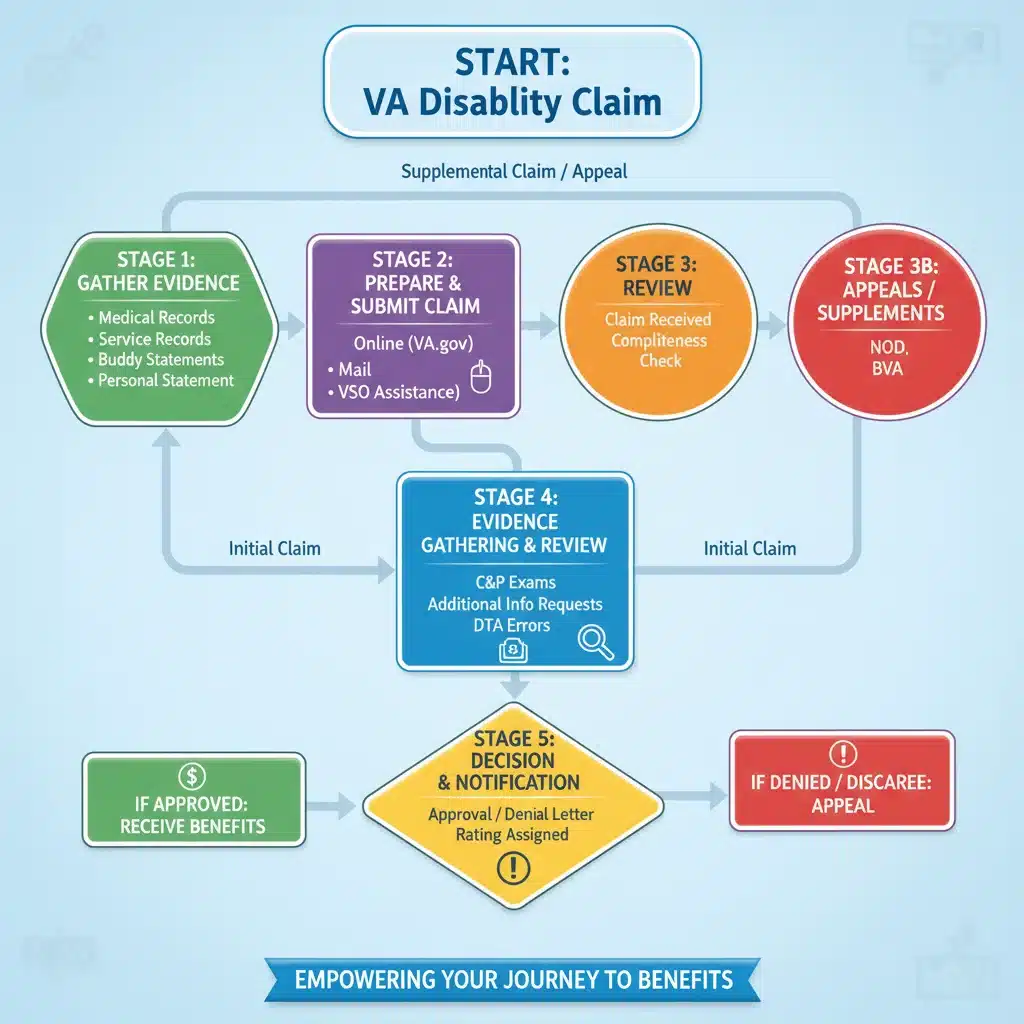
The application process for VA disability benefits can be daunting, but breaking it down into manageable steps can help. Here’s a general overview:
Step 1: Gather Your Evidence
Before you even begin the application, compile all necessary documents. This includes:
- DD214 or other separation documents: Proof of your military service.
- Medical records: Both military service treatment records (STRs) and any post-service medical records related to your disability.
- Lay statements: Written statements from friends, family, or fellow service members who witnessed your injury or illness or can attest to its impact on your life.
- Buddy statements: Similar to lay statements, but specifically from those who served with you.
- Private medical opinions: If you have seen a private doctor for your condition, their reports can be very valuable.
Step 2: File Your Claim
You can file your claim in several ways:
- Online: Through the VA’s eBenefits portal or VA.gov. This is often the fastest and most efficient method.
- By Mail: Print and fill out VA Form 21-526EZ, ‘Application for Disability Compensation and Related Compensation Benefits,’ and mail it to the VA.
- In Person: Visit a VA regional office and get assistance from a VA representative.
- With the Help of a VSO: A Veterans Service Organization (VSO) representative can assist you with filing your claim, gathering evidence, and navigating the system. This is highly recommended.
Step 3: Attend Examinations (C&P Exams)
The VA will likely schedule you for Compensation and Pension (C&P) exams. These exams are crucial for the VA to assess the severity of your condition and establish a service connection. It is vital to attend these appointments and be honest and thorough about your symptoms and how they affect your daily life.
Step 4: Wait for a Decision
After your claim is submitted and all evidence is reviewed, the VA will issue a decision. This process can take several months, or even longer, depending on the complexity of your claim and the VA’s workload. You can track the status of your claim online.
Step 5: Appeals Process (If Necessary)
If you disagree with the VA’s decision, you have the right to appeal. The appeals modernization act has streamlined this process, offering different lanes for appeal (Supplemental Claim, Higher-Level Review, or Board Appeal).
Maximizing Your VA Disability Benefits 2026: The Additional 15% Aid
Beyond the standard disability compensation, some veterans may be eligible for additional benefits, specifically the Aid and Attendance or Housebound benefits, which can effectively increase their total compensation. These benefits are often referred to as an ‘additional 15% aid’ due to their significant impact on a veteran’s overall financial support, though the actual percentage increase can vary based on individual circumstances and the base rate.
Understanding Aid and Attendance (A&A)
Aid and Attendance is a special monthly pension amount paid to veterans or surviving spouses who require the regular aid and attendance of another person to perform daily functions. This can include assistance with bathing, dressing, eating, or protecting oneself from the hazards of their daily environment. It also applies if you are blind or a patient in a nursing home due to mental or physical incapacity.
Eligibility for A&A is based on several factors:
- Medical Need: A physician must confirm the need for daily assistance. This usually requires a detailed medical report.
- Income and Asset Limits: While VA disability compensation has no income limits, A&A is a pension benefit, meaning there are income and net worth limitations. These limits are adjusted annually.
- Service Requirements: The veteran must have served during a wartime period, though the disability itself does not need to be service-connected. However, if the veteran is already receiving service-connected disability compensation, the A&A benefit can be added on top of that.
Understanding Housebound Benefits
Housebound benefits are similar to A&A but for veterans who are substantially confined to their immediate premises because of a permanent disability. While they don’t require daily assistance to the same extent as A&A, their mobility is severely restricted. Like A&A, Housebound benefits are part of the VA’s pension program and are subject to income and asset limits.
How to Apply for Aid and Attendance or Housebound Benefits
Applying for these additional benefits typically involves:
- Completing VA Form 21-2680: ‘Examination for Housebound Status or Permanent Need for Aid and Attendance.’
- Obtaining a Physician’s Statement: A detailed medical report from your doctor describing your medical conditions, functional limitations, and the extent of assistance you require.
- Submitting Financial Information: Documentation of your income, assets, and unreimbursed medical expenses.
- Submitting Service Records: Proof of honorable discharge and wartime service.
It’s crucial to provide thorough and accurate information. Any discrepancies or missing documents can delay the process. Again, working with a VSO can significantly streamline this application and ensure all necessary documentation is correctly submitted to secure your VA Disability Benefits 2026.
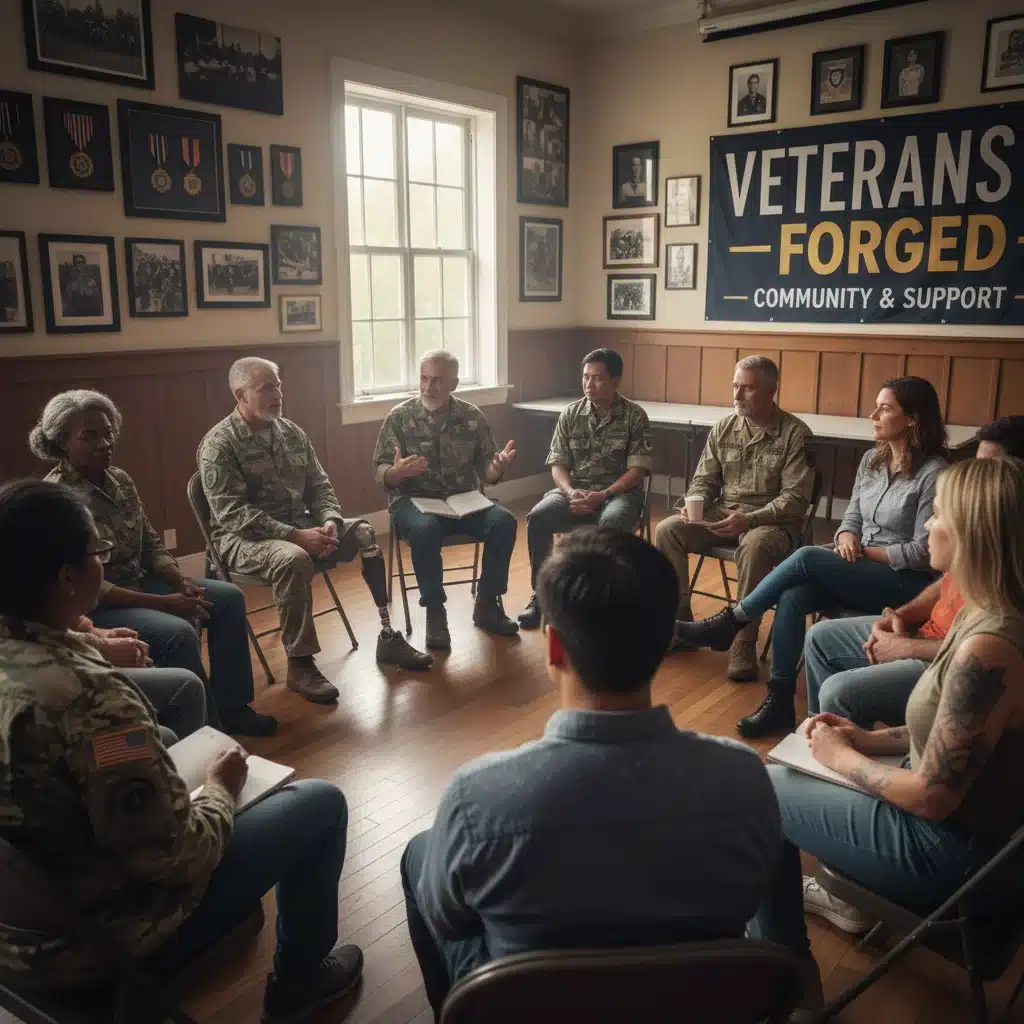
The Role of Veterans Service Organizations (VSOs)
Veterans Service Organizations (VSOs) like the American Legion, Disabled American Veterans (DAV), Veterans of Foreign Wars (VFW), and others play an invaluable role in assisting veterans with their claims. These organizations offer free, accredited representation and can help with:
- Understanding Eligibility: VSOs can clarify complex eligibility requirements for various benefits.
- Gathering Evidence: They can guide veterans on what evidence is needed and how to obtain it.
- Filing Claims: VSOs can help complete and submit forms accurately, reducing errors and delays.
- Appeals: If a claim is denied, VSOs can assist with the appeals process.
- Staying Updated: They keep abreast of changes in VA regulations and benefit rates, including those for VA Disability Benefits 2026.
Engaging with a VSO is highly recommended for any veteran navigating the VA benefits system, especially when applying for complex benefits like Aid and Attendance or when dealing with multiple service-connected conditions. Their expertise can significantly improve the success rate and speed of your claim.
Preparing for VA Disability Benefits 2026: Key Considerations
As we look ahead to 2026, veterans should consider several proactive steps to ensure they are prepared for any changes and are receiving their maximum entitlements:
Regular Medical Check-ups and Documentation
Continuously document your medical conditions. Regular visits to your doctor, even for stable conditions, provide ongoing evidence of your disability’s impact. Keep copies of all medical records, test results, and prescriptions. This ongoing documentation is vital for any future claims or increases in your rating for VA Disability Benefits 2026.
Reviewing Your Current Rating
If your service-connected disability has worsened over time, or if you’ve developed new secondary conditions related to your service, you may be eligible for an increased disability rating. You can file a claim for an increased rating at any time. This involves submitting new medical evidence demonstrating the progression of your condition.
Understanding Dependent Benefits
Ensure that all eligible dependents are listed on your VA records. If you’ve had a new child, gotten married, or adopted, update your information with the VA promptly. Additional compensation for dependents can significantly increase your overall monthly payment.
Financial Planning and Budgeting
Anticipating the VA Disability Benefits 2026 rates allows for better financial planning. While COLA adjustments are designed to keep pace with inflation, understanding your monthly income and expenses is crucial for long-term financial stability. Consider consulting a financial advisor who specializes in veterans’ benefits.
Staying Informed
Keep up-to-date with VA news, policy changes, and announcements regarding benefit rates. Subscribe to newsletters from the VA, VSOs, and reputable veterans’ advocacy groups. These resources will provide the most current information regarding VA Disability Benefits 2026 and beyond.
Common Misconceptions About VA Disability Benefits
Several myths often circulate regarding VA disability benefits, which can deter veterans from applying or lead to misunderstandings:
- Myth: You can’t work if you receive VA disability. Fact: Most VA disability compensation is not tied to your ability to work. Only Total Disability Individual Unemployability (TDIU) benefits specifically address a veteran’s inability to maintain substantially gainful employment due to service-connected disabilities.
- Myth: The VA only covers combat injuries. Fact: The VA covers a wide range of conditions, including physical injuries, mental health conditions (like PTSD), illnesses, and conditions aggravated by service, regardless of whether they occurred in combat.
- Myth: Filing a claim is too complicated. Fact: While the process can be detailed, resources like VSOs are available to simplify it. Don’t let perceived complexity prevent you from pursuing your rightful benefits.
- Myth: You have to apply immediately after separation. Fact: There is no time limit to apply for VA disability compensation. However, applying sooner rather than later is generally advisable, as it can be harder to gather evidence years after service.
Dispelling these myths is crucial for ensuring all eligible veterans access the support they need, including the projected VA Disability Benefits 2026.
The Future of Veterans’ Healthcare and Benefits
Beyond monetary compensation, the VA provides extensive healthcare services. Eligibility for VA healthcare is separate from disability compensation but often intertwined. Veterans with service-connected disabilities typically have higher priority access to VA healthcare. As we move towards 2026, there are ongoing efforts to expand and improve VA healthcare services, including mental health support, telehealth options, and specialized care for conditions prevalent among veterans.
Legislative changes and appropriations will continue to shape the landscape of veterans’ benefits. Advocacy groups work tirelessly to ensure that veterans’ needs are met and that benefits keep pace with the cost of living and evolving healthcare demands. Staying engaged with these developments will provide a holistic view of the support available to you and your family.
For example, ongoing discussions about presumptive conditions for toxic exposures, such as those related to burn pits, could further expand eligibility for disability compensation for certain groups of veterans. These legislative efforts are constantly evolving, and any new laws could significantly impact VA Disability Benefits 2026 and beyond.
Conclusion
Understanding your VA Disability Benefits 2026 is not just about knowing the numbers; it’s about comprehending the entire ecosystem of support available to you as a veteran. From the base compensation rates adjusted by COLA to the crucial additional aid provided by Aid and Attendance or Housebound benefits, every component plays a vital role in ensuring your well-being. Proactive planning, diligent record-keeping, and leveraging the expertise of VSOs are your strongest tools in navigating this system effectively.
The VA’s commitment to veterans is unwavering, and by staying informed and actively pursuing your entitlements, you can secure the financial stability and healthcare support you’ve earned through your service. Don’t hesitate to reach out to accredited professionals and organizations for assistance. Your service was a profound contribution to our nation, and ensuring you receive your full benefits is a testament to that sacrifice.
This article has provided a comprehensive overview, but remember that individual situations vary. Always consult with a VA representative or an accredited VSO for personalized advice regarding your specific claim and eligibility for VA Disability Benefits 2026. The journey to securing your benefits might require persistence, but the support and resources are there for you.