Navigating 2026 Energy Assistance Programs: Your Guide to LIHEAP and Utility Savings
As we look towards 2026, managing household expenses, particularly utility bills, remains a significant concern for many families and individuals. The cost of heating and cooling our homes can fluctuate dramatically, impacting budgets and overall financial stability. Fortunately, programs like the Low Income Home Energy Assistance Program (LIHEAP) continue to provide a crucial safety net, offering vital support to those struggling to afford their energy costs. Understanding the nuances of LIHEAP Energy Assistance 2026 and other related programs is key to unlocking potential savings of up to 20% on your utility bills and ensuring a comfortable living environment.
This comprehensive guide aims to demystify the landscape of energy assistance programs available in 2026. We will delve into what LIHEAP is, who is eligible, how to apply, and what other supplementary programs you might qualify for. Our goal is to equip you with the knowledge and resources necessary to navigate these options effectively, ensuring you and your family can stay warm in winter and cool in summer without undue financial strain. The information provided here is designed to be actionable, helping you make informed decisions and secure the assistance you need.
Understanding LIHEAP: Your Primary Resource for Energy Aid in 2026
The Low Income Home Energy Assistance Program (LIHEAP) is a federally funded program that helps low-income households with their home energy bills. Administered by individual states and often through local community action agencies, LIHEAP is designed to assist with heating and cooling costs, energy crisis assistance, weatherization, and minor energy-related home repairs. For LIHEAP Energy Assistance 2026, the core mission remains the same: to reduce the energy burden on vulnerable populations, preventing utility shut-offs and ensuring safe, healthy living conditions.
What Does LIHEAP Cover?
- Heating Assistance: This is often the largest component, helping households pay for electricity, natural gas, propane, oil, wood, or other fuels used for heating.
- Cooling Assistance: In warmer climates or during hot summer months, LIHEAP can help cover electricity costs associated with air conditioning.
- Energy Crisis Assistance: For households facing immediate threats of energy shut-off or experiencing a no-heat situation, LIHEAP can provide rapid assistance to restore or maintain service.
- Weatherization and Energy-Related Home Repairs: Some LIHEAP funds may be used for minor home improvements that make homes more energy-efficient, such as insulation, weather-stripping, or repairing broken windows. This proactive approach helps reduce future energy costs.
Who is Eligible for LIHEAP Energy Assistance in 2026?
Eligibility for LIHEAP Energy Assistance 2026 is primarily based on income and household size. While specific income thresholds can vary by state and even by county due to differing costs of living, the general guideline is that a household’s gross income must be at or below 150% of the federal poverty level, or 60% of the state median income, whichever is greater. However, some states may set their limits slightly higher or lower, so it’s crucial to check the specific criteria for your state.
Beyond income, other factors may influence eligibility:
- Household Size: The larger your household, the higher the income threshold typically is.
- Presence of Vulnerable Individuals: Households with elderly individuals (60 years or older), individuals with disabilities, or young children (typically under 6 years old) are often prioritized or may have slightly different eligibility criteria.
- Responsibility for Energy Bills: Applicants must be responsible for paying their home energy bills, either directly or as part of their rent.
- Citizenship/Residency Status: Applicants typically need to be U.S. citizens or qualified aliens.
It’s important to remember that LIHEAP is not an entitlement program; funding is limited, and assistance is provided on a first-come, first-served basis until funds are exhausted. Therefore, applying early is always advisable.
How to Apply for LIHEAP Energy Assistance in 2026
The application process for LIHEAP Energy Assistance 2026 generally involves a few key steps, though the exact procedures can vary by state and local agency. Here’s a general overview:
Step 1: Find Your Local LIHEAP Office
The first step is to locate the agency responsible for administering LIHEAP in your area. This is often your state’s social services department, a local community action agency, or a similar non-profit organization. The easiest way to find this information is through the official ACF LIHEAP website or by performing a web search for “LIHEAP [Your State/County]”.
Step 2: Gather Required Documents
Before you begin the application, collect all necessary documentation. This typically includes:
- Proof of Income: Pay stubs, Social Security benefit letters, unemployment statements, or tax returns for all household members for the past 30 days or the most recent tax year.
- Proof of Identity: Driver’s license, state ID, or birth certificate for all household members.
- Proof of Residency: A utility bill, lease agreement, or other document showing your current address.
- Utility Bills: Copies of your most recent heating and electric bills, even if they are in someone else’s name (if you are responsible for payment).
- Social Security Numbers: For all household members.
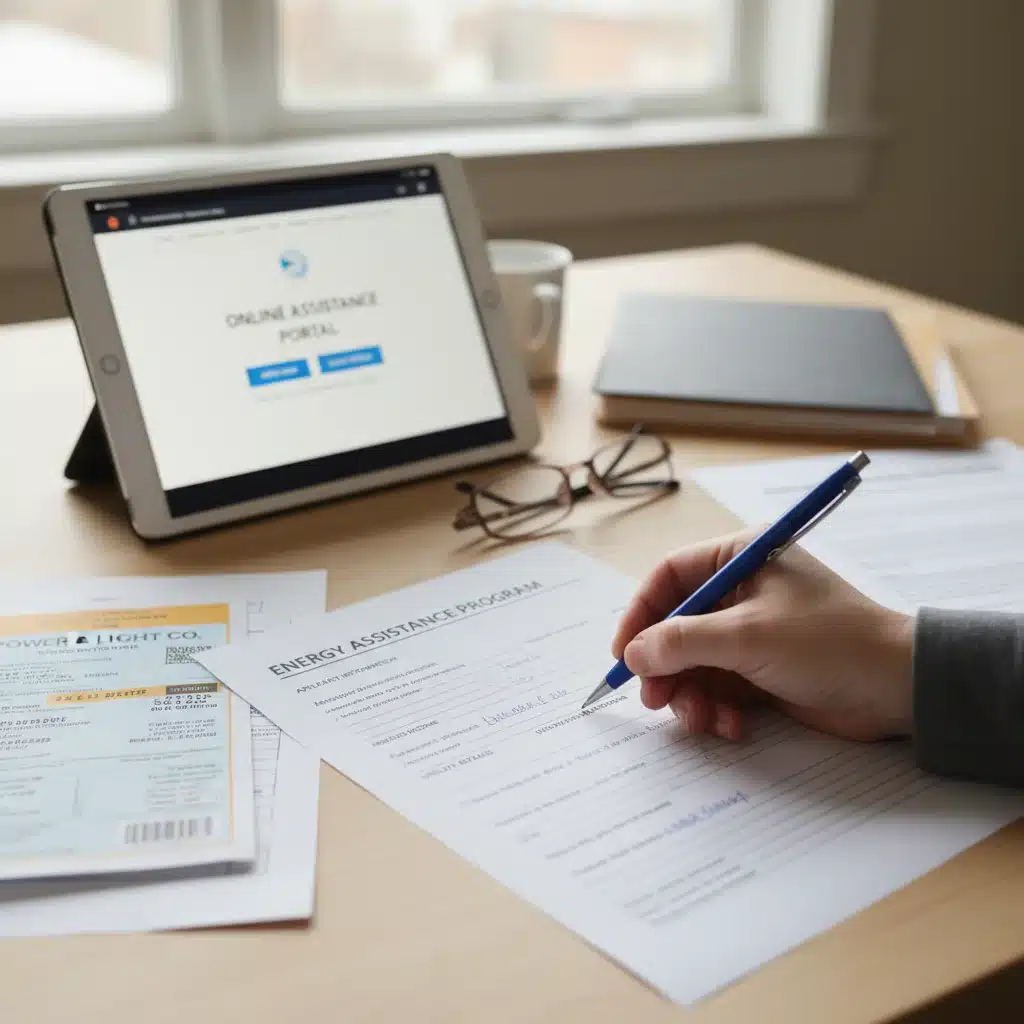
Step 3: Complete the Application
Applications can usually be submitted online, by mail, or in person. Many agencies now offer online portals, which can streamline the process. Fill out the application completely and accurately. Any missing information could delay processing or lead to denial.
Step 4: Attend an Interview (If Required)
Some agencies may require an in-person or phone interview to verify information or discuss your specific energy needs. Be prepared to answer questions about your household, income, and energy situation.
Step 5: Await Notification
Once your application is submitted and reviewed, you will be notified of the decision. If approved, the assistance will typically be paid directly to your utility company or energy vendor. The amount of assistance varies based on factors like household income, size, energy costs, and the type of heating/cooling used.
Beyond LIHEAP: Additional Energy Assistance Programs in 2026
While LIHEAP is a cornerstone of energy assistance, it’s not the only option. Several other programs and resources can help reduce your energy burden in 2026. Combining these with LIHEAP Energy Assistance 2026 can maximize your savings.
1. State and Local Energy Assistance Programs
Many states and municipalities offer their own energy assistance programs, often complementing LIHEAP. These can include:
- Emergency Assistance: For households facing immediate shut-off or in a crisis.
- Weatherization Programs: Beyond what LIHEAP offers, many states have dedicated programs to improve home energy efficiency.
- Utility-Specific Programs: Some utility companies offer their own assistance programs, payment plans, or discounts for low-income customers.
2. Utility Company Programs and Payment Plans
Don’t overlook your utility provider! Most electric and gas companies offer various programs to help customers manage their bills:
- Budget Billing/Average Payment Plans: These programs average your energy costs over 12 months, resulting in consistent monthly payments and avoiding seasonal spikes.
- Arrearage Management Programs (AMPs): For customers with significant past-due balances, AMPs can forgive a portion of the debt if the customer makes consistent, on-time payments for a certain period.
- Discount Rates: Some utilities offer special low-income rates or discounts on monthly bills.
- Energy Efficiency Audits and Rebates: Many utilities provide free or low-cost home energy audits and rebates for upgrading to energy-efficient appliances or making home improvements.
3. Non-Profit and Charitable Organizations
Numerous non-profit organizations and charities provide energy assistance, often filling gaps where government programs may not reach or when LIHEAP funds are exhausted. Organizations like the Salvation Army, Catholic Charities, and local community funds frequently offer emergency aid for utility bills. It’s worth contacting these groups in your area to inquire about their services.
Maximizing Your Savings: Energy Efficiency Tips for 2026
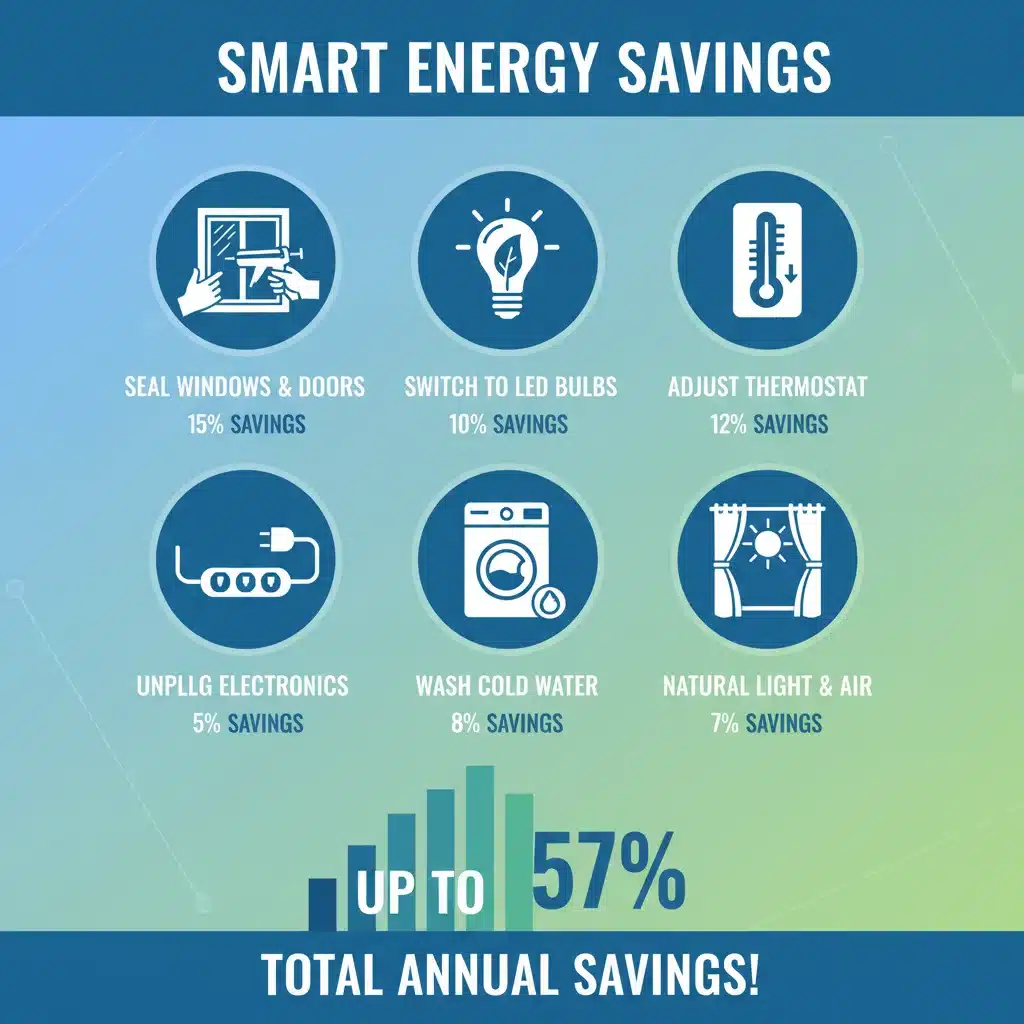
Receiving LIHEAP Energy Assistance 2026 is a significant help, but combining it with smart energy-saving practices can further reduce your overall energy consumption and costs. Even small changes can lead to substantial savings over time.
1. Optimize Your Thermostat Settings
- Winter: Set your thermostat to 68°F (20°C) during the day when you’re home and lower it by 7-10°F (4-6°C) when you’re away or asleep.
- Summer: Set your thermostat to 78°F (26°C) when you’re home and higher when you’re away.
- Programmable/Smart Thermostats: Invest in a programmable or smart thermostat to automate temperature adjustments and save energy effortlessly. Some LIHEAP or weatherization programs may even offer these for free or at a reduced cost.
2. Seal Air Leaks
Air leaks are a major culprit for energy waste. Inspect your home for gaps and cracks around windows, doors, electrical outlets, and plumbing penetrations. Use caulk and weatherstripping to seal these leaks. This simple and inexpensive fix can significantly improve your home’s energy efficiency.
3. Improve Insulation
Adequate insulation in your attic, walls, and floors is crucial for maintaining comfortable indoor temperatures. If your home is under-insulated, consider adding more. Many weatherization programs can assist with these upgrades.
4. Maintain Your HVAC System
Regular maintenance of your heating, ventilation, and air conditioning (HVAC) system ensures it runs efficiently. Change air filters monthly, and schedule annual professional tune-ups for both your furnace and air conditioner. A well-maintained system uses less energy and lasts longer.
5. Use Energy-Efficient Lighting and Appliances
- LED Lighting: Replace incandescent bulbs with LED bulbs, which use significantly less energy and last much longer.
- Energy Star Appliances: When purchasing new appliances, look for the Energy Star label, indicating superior energy efficiency.
- Unplug Electronics: “Vampire power” refers to the electricity consumed by electronics even when they are turned off but still plugged in. Unplug chargers, TVs, and other devices when not in use, or use power strips that can be switched off.
6. Manage Water Heating
- Lower Water Heater Temperature: Set your water heater to 120°F (49°C) instead of the factory default of 140°F (60°C) to save energy and prevent scalding.
- Insulate Water Heater and Pipes: Insulating your hot water heater tank and the first six feet of hot and cold water pipes can reduce heat loss.
- Use Low-Flow Fixtures: Install low-flow showerheads and faucet aerators to reduce hot water consumption.
The Economic and Social Impact of Energy Assistance
The availability of programs like LIHEAP Energy Assistance 2026 has far-reaching positive impacts beyond just individual households. Energy assistance plays a critical role in public health, economic stability, and community well-being.
Health and Safety
Ensuring that homes can be adequately heated and cooled prevents serious health risks, especially for vulnerable populations. Extreme temperatures can exacerbate chronic health conditions, lead to hypothermia or heatstroke, and contribute to respiratory illnesses. LIHEAP helps prevent these outcomes, reducing hospital visits and improving overall public health.
Financial Stability and Poverty Reduction
Energy bills represent a significant portion of expenses for low-income households. By alleviating this burden, LIHEAP frees up funds that can be used for other necessities like food, medicine, and housing. This reduces financial stress, prevents debt accumulation, and helps families maintain housing stability, ultimately contributing to poverty reduction.
Economic Benefits
The funds distributed through LIHEAP and other assistance programs flow into local economies as payments to utility companies and energy vendors. This supports jobs in the energy sector and related industries. Furthermore, by enabling households to remain financially stable, these programs indirectly support local businesses as consumers have more disposable income for other goods and services.
Environmental Considerations
While direct environmental impact is not the primary goal of LIHEAP, the weatherization component of the program contributes to environmental sustainability by promoting energy efficiency. Homes that are weatherized consume less energy, leading to a reduction in greenhouse gas emissions and a smaller carbon footprint.
Anticipating Changes and Updates for LIHEAP 2026
While the core structure of LIHEAP is expected to remain consistent for 2026, it’s always wise to anticipate potential changes. Federal funding levels, state-specific regulations, and income thresholds can be adjusted annually. Staying informed about these updates is crucial for anyone seeking LIHEAP Energy Assistance 2026.
Where to Look for Updates:
- Official Government Websites: Regularly check the U.S. Department of Health and Human Services (HHS), Administration for Children and Families (ACF) website, and your state’s equivalent agency.
- Local Community Action Agencies: These agencies are often the first to receive and disseminate information about program changes and application periods.
- News Outlets and Advocacy Groups: Keep an eye on local news and websites of organizations that advocate for low-income families, as they often report on changes to assistance programs.
It’s also important to note that the application period for LIHEAP typically opens in the fall (e.g., October or November) for heating assistance and in the spring or summer for cooling assistance, but these dates can vary by state. Mark your calendar and apply as soon as the application window opens to increase your chances of receiving aid.
Conclusion: Securing Your Energy Future in 2026
Navigating the complexities of utility bills and energy costs can be daunting, but with programs like LIHEAP Energy Assistance 2026, significant relief is available. By understanding eligibility requirements, diligently preparing your application, and exploring all available supplementary programs, you can take proactive steps to reduce your household’s energy burden. Remember that combining financial aid with practical energy-saving measures can yield the most substantial and sustainable savings, potentially cutting your utility bills by up to 20% or even more.
Don’t wait until you’re facing a crisis to seek help. Plan ahead, gather your documents, and reach out to your local LIHEAP office or community action agency as soon as application periods open. Your comfort, health, and financial well-being are paramount, and these programs are designed to support you. Stay informed, stay proactive, and empower your household to manage energy costs effectively in 2026 and beyond.