White House Briefing: 2025 Infrastructure Projects & Economic Impact
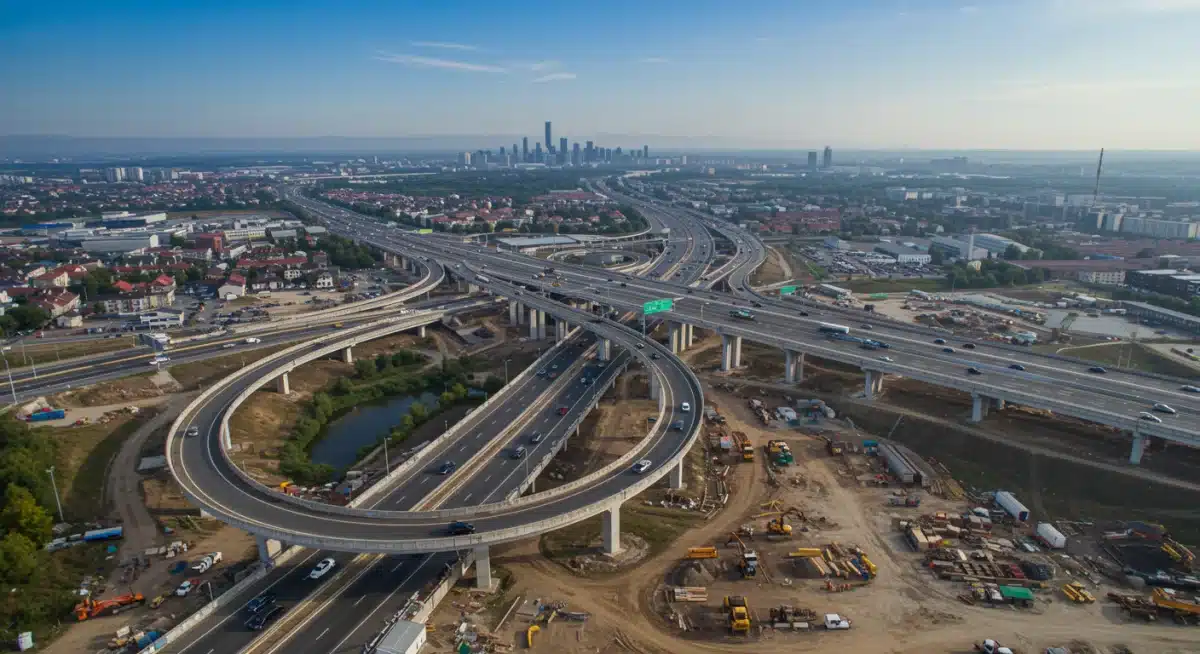
The White House’s recent briefing detailed the approval of major 2025 infrastructure projects, outlining significant economic growth projections and substantial financial impacts expected to reshape the nation’s landscape and economy.
The latest White House Briefing: Major Infrastructure Projects Approved for 2025 – Economic Growth Projections (RECENT UPDATES, FINANCIAL IMPACT) has captured national attention, outlining ambitious plans set to redefine America’s foundational systems. This pivotal announcement details a series of investments designed not only to modernize our infrastructure but also to serve as a powerful catalyst for sustained economic prosperity across the United States.
Understanding the 2025 Infrastructure Vision
The Biden administration’s vision for 2025 infrastructure extends beyond mere repairs and maintenance, aiming for a transformative overhaul that addresses long-standing deficiencies and prepares the nation for future challenges. This comprehensive plan emphasizes sustainability, technological integration, and equitable access, promising a ripple effect across various sectors of the economy.
This initiative represents a significant commitment to rebuilding and upgrading America’s physical and digital backbone, recognizing that robust infrastructure is fundamental to national competitiveness and the daily lives of its citizens. The projects are strategically chosen to maximize impact, ensuring that investments yield both immediate and long-term benefits.
Key Pillars of the Infrastructure Plan
The 2025 infrastructure plan is built upon several core pillars, each designed to tackle specific areas of need and opportunity. These pillars guide the allocation of resources and the selection of individual projects, ensuring a cohesive and impactful strategy.
- Transportation Modernization: Upgrading roads, bridges, public transit, and airports to improve efficiency and safety.
- Broadband Expansion: Ensuring high-speed internet access for all Americans, bridging the digital divide.
- Clean Energy Transition: Investing in renewable energy sources and modernizing the power grid.
- Water Infrastructure: Improving access to clean drinking water and enhancing wastewater treatment systems.
By focusing on these critical areas, the White House aims to create a resilient, interconnected, and environmentally conscious infrastructure network. This multi-faceted approach ensures that the benefits of the investments are broadly distributed, reaching communities in every corner of the nation and fostering a more inclusive economic recovery.
Economic Growth Projections: A Detailed Outlook
The projected economic growth stemming from the 2025 infrastructure projects is substantial, with analyses indicating a significant boost to GDP and job creation. Economists anticipate that these investments will stimulate demand, foster innovation, and increase productivity, leading to a more dynamic and competitive economy.
The scale of these projects is expected to generate millions of jobs, both direct and indirect, across a wide range of industries. From construction and manufacturing to technology and engineering, the demand for skilled labor will surge, providing opportunities for workers nationwide and driving wage growth.
Job Creation and Sectoral Impact
The infrastructure plan is poised to be a major job engine, creating employment opportunities in diverse sectors. The direct impact will be felt in construction, engineering, and related trades, but the ripple effects will extend far wider.
- Construction Sector: Direct employment for skilled and unskilled labor in building roads, bridges, and other physical infrastructure.
- Manufacturing: Increased demand for construction materials, machinery, and components, boosting domestic production.
- Technology and Innovation: Opportunities in developing smart infrastructure solutions, digital connectivity, and green technologies.
- Service Industries: Growth in supporting services, such as logistics, maintenance, and local businesses benefiting from increased economic activity.
These job opportunities are not limited to urban centers; many projects are slated for rural and underserved areas, aiming to bring economic revitalization to regions that have historically lagged. This equitable distribution of investment is a cornerstone of the administration’s strategy, ensuring that the economic benefits are widespread.
Financial Impact and Funding Mechanisms
The financial commitment to these major infrastructure projects is immense, necessitating a robust and diversified funding strategy. The White House has outlined a combination of federal appropriations, private sector partnerships, and innovative financing mechanisms to ensure the successful execution of the plan.
This multi-pronged approach aims to leverage public and private capital, maximizing the impact of every dollar invested. The emphasis is on long-term fiscal responsibility while ensuring that critical projects are not delayed due to funding constraints.
Sources of Funding
Funding for the 2025 infrastructure plan will come from various sources, reflecting a comprehensive strategy to finance these ambitious undertakings. The administration has emphasized a commitment to transparent and accountable spending.
- Federal Appropriations: Direct government funding allocated through legislative processes, including existing infrastructure bills.
- State and Local Contributions: Matching funds and direct investments from state and local governments, often leveraging federal grants.
- Public-Private Partnerships (PPPs): Collaborations with private companies to finance, build, and operate infrastructure projects, sharing risks and rewards.
- Innovative Financing: Exploring mechanisms such as infrastructure bonds, user fees, and dedicated revenue streams to supplement traditional funding.
The financial impact will also extend to local economies through increased tax revenues and enhanced property values resulting from improved infrastructure. These fiscal benefits will help sustain local services and contribute to overall community development.

Strategic Importance for National Competitiveness
Beyond immediate economic gains, the 2025 infrastructure projects hold profound strategic importance for bolstering America’s global competitiveness. A modernized infrastructure is essential for efficient commerce, technological advancement, and a strong national defense, positioning the U.S. advantageously on the international stage.
By investing in cutting-edge infrastructure, the nation can reduce logistical costs, improve supply chain resilience, and attract foreign investment. This strategic foresight ensures that the U.S. remains a leader in innovation and economic power, capable of responding to evolving global demands.
Enhancing Supply Chain Resilience
The COVID-19 pandemic exposed vulnerabilities in global supply chains, highlighting the urgent need for robust domestic infrastructure. The 2025 plan directly addresses this by improving transportation networks and digital connectivity, making supply chains more resilient and efficient.
- Port Modernization: Upgrading ports and associated logistics to handle increased cargo volumes and reduce bottlenecks.
- Rail and Road Improvements: Enhancing intermodal connectivity to facilitate faster and more reliable movement of goods.
- Digital Infrastructure: Strengthening communication networks crucial for tracking, managing, and optimizing supply chain operations.
These enhancements will not only prevent future disruptions but also lower costs for businesses and consumers, contributing to overall economic stability. A more resilient supply chain is a critical component of national security and economic independence.
Environmental and Social Equity Considerations
A key aspect of the 2025 infrastructure plan is its strong emphasis on environmental sustainability and social equity. The projects are designed to mitigate climate change impacts, promote clean energy, and ensure that infrastructure benefits are distributed fairly across all communities, particularly those historically underserved.
This commitment reflects a broader understanding that infrastructure development must align with environmental stewardship and social justice principles. By integrating these considerations, the plan aims to build a more sustainable and equitable future for all Americans.
Green Infrastructure and Climate Resilience
Many of the approved projects incorporate green infrastructure solutions, focusing on reducing carbon emissions and enhancing resilience to climate change. This includes investments in renewable energy, electric vehicle charging stations, and climate-resistant building materials.
- Renewable Energy Projects: Development of wind, solar, and geothermal energy facilities to reduce reliance on fossil fuels.
- Electric Vehicle Infrastructure: Expansion of charging networks to support the transition to electric transportation.
- Coastal Protection: Investments in natural infrastructure solutions like wetlands restoration to protect communities from rising sea levels and extreme weather.
These initiatives not only address environmental concerns but also create new industries and jobs in the green economy, fostering innovation and sustainable growth. The long-term benefits include cleaner air and water, reduced health risks, and a more stable climate.
Public-Private Partnerships and Innovation
The White House’s strategy heavily relies on engaging the private sector through public-private partnerships (PPPs) to bring innovation, efficiency, and additional capital to infrastructure development. These collaborations are crucial for maximizing the impact of public funds and harnessing private sector expertise.
PPPs allow for a sharing of risks and rewards, often leading to more efficient project delivery and long-term maintenance. This approach encourages innovative solutions and leverages the private sector’s ability to drive technological advancements.
Leveraging Private Sector Expertise
Private sector involvement brings specialized knowledge, advanced technologies, and efficient management practices that can accelerate project timelines and optimize outcomes. Companies often have access to innovative construction methods and financing models that can enhance project viability.
- Technological Advancements: Private firms can introduce state-of-the-art materials, digital modeling, and smart infrastructure solutions.
- Efficient Project Management: Expertise in managing large-scale projects, often leading to cost savings and timely completion.
- Additional Capital: Private investment supplements public funds, allowing for a broader scope of projects to be undertaken.
These partnerships are structured to ensure accountability and transparency, with clear performance metrics and oversight mechanisms. The goal is to build strong, collaborative relationships that deliver high-quality infrastructure projects benefiting the public.
| Key Point | Brief Description |
|---|---|
| Project Approvals | White House announces major infrastructure projects for 2025, focusing on modernization and growth. |
| Economic Impact | Significant GDP boost and millions of new jobs projected across various sectors. |
| Funding Strategy | Blend of federal funds, private partnerships, and innovative financing mechanisms. |
| Strategic Importance | Enhances national competitiveness, supply chain resilience, and global leadership. |
Frequently Asked Questions About 2025 Infrastructure Projects
The 2025 plan encompasses a broad range of projects, including transportation modernization (roads, bridges, public transit), broadband expansion, clean energy initiatives, and improvements to water infrastructure, aiming for comprehensive national development.
Economists project a significant boost to the U.S. GDP and the creation of millions of jobs across various sectors, from construction and manufacturing to technology and service industries, fostering long-term economic growth and stability.
Funding will primarily come from federal appropriations, complemented by state and local contributions, public-private partnerships, and innovative financing mechanisms like infrastructure bonds, ensuring robust financial backing.
The plan integrates green infrastructure solutions, including investments in renewable energy, electric vehicle charging networks, and climate-resilient designs, aiming to reduce carbon emissions and enhance environmental sustainability nationwide.
Public-private partnerships are crucial for leveraging private sector expertise, capital, and innovative technologies. They facilitate efficient project delivery, risk-sharing, and long-term maintenance, maximizing the impact of public investments.
Conclusion
The White House’s briefing on the major infrastructure projects approved for 2025 underscores a pivotal moment for the United States. These ambitious plans are poised to deliver not only a modernized national infrastructure but also a powerful stimulus for economic growth, job creation, and enhanced global competitiveness. By strategically investing in transportation, broadband, clean energy, and water systems, and by fostering robust public-private partnerships, the administration aims to build a more resilient, sustainable, and equitable future for all Americans. The financial implications are substantial, promising long-term returns on investment through increased productivity and innovation. As these projects move forward, their impact will resonate across every sector, shaping the nation’s landscape and economic trajectory for decades to come.