Supreme Court Rulings April 2026: Key Legal Impact Analysis
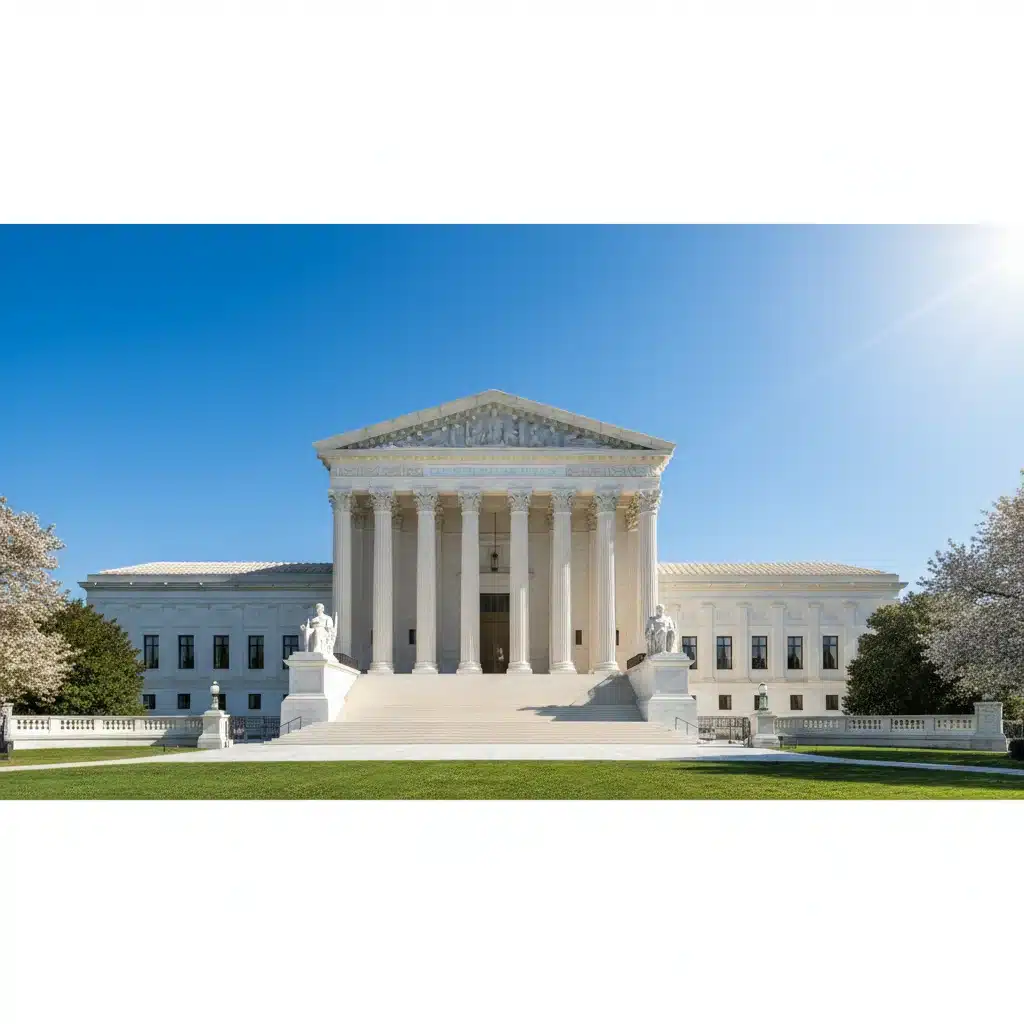
The United States Supreme Court, the highest judicial body in the nation, frequently delivers decisions that reverberate through every facet of American society. April 2026 has been no exception, with a series of landmark Supreme Court Rulings handed down that promise to reshape legal landscapes and impact the daily lives of millions. These decisions span a diverse range of critical issues, from constitutional rights to economic regulations, and understanding their nuances is paramount for legal professionals, policymakers, and the general public alike.
The Court’s April docket is always a closely watched period, often featuring cases that have worked their way through lower courts for years, finally reaching the apex of the legal system. The anticipation leading up to these announcements is palpable, as each ruling has the potential to set new precedents, overturn long-standing interpretations, or solidify existing legal frameworks. Our aim here is to break down these significant Supreme Court Rulings, offering a clear, comprehensive analysis of their immediate effects and long-term implications. We will delve into the specifics of each major decision, explaining the legal arguments, the Court’s reasoning, and the dissenting opinions that often highlight the complex and contentious nature of these cases.
The impact of these Supreme Court Rulings extends far beyond the courtroom. They influence legislative agendas, guide executive branch actions, and directly affect how individuals and businesses operate within the legal confines of the United States. For citizens, these rulings can redefine personal liberties, economic opportunities, and the very structure of their communities. For businesses, they can introduce new regulatory burdens, alter market dynamics, or create new avenues for legal recourse. Therefore, staying informed about these developments is not merely an academic exercise but a practical necessity for navigating the legal and social environment of the nation.
In this comprehensive overview, we will explore the key cases decided in April 2026, examining the majority opinions, the legal principles invoked, and the potential ripple effects across various sectors. We will also consider the broader jurisprudential trends that these Supreme Court Rulings might indicate, offering insights into the evolving philosophy of the Court and its potential trajectory in the years to come. This analysis is designed to provide clarity and context, enabling readers to grasp the full weight and significance of these pivotal legal pronouncements.
Understanding the Court’s April 2026 Docket: A Snapshot
The Supreme Court’s April 2026 term has been particularly active, with several high-profile cases reaching their conclusion. These cases, often complex and multifaceted, touch upon core constitutional principles and contemporary societal challenges. Before diving into the specifics of each ruling, it’s essential to understand the general themes and areas of law that dominated this period. This year’s Supreme Court Rulings have notably concentrated on issues related to federal regulatory power, individual privacy rights in the digital age, and the interpretation of environmental protection statutes.
One prominent theme observed in these Supreme Court Rulings is the ongoing debate regarding the scope of federal agencies’ authority. Several cases challenged the Chevron deference doctrine, a principle that grants federal agencies judicial deference in interpreting ambiguous statutes. The Court’s decisions in these areas could significantly alter the balance of power between the legislative, executive, and judicial branches, potentially leading to a more assertive role for the judiciary in reviewing administrative actions. This shift, if substantial, would have profound implications for virtually every regulated industry, from healthcare to finance to environmental management. Businesses would need to closely monitor regulatory changes and potentially adjust their compliance strategies in response to a more stringent judicial review of agency rules.
Another critical area addressed by the April 2026 Supreme Court Rulings involves the evolving landscape of individual privacy in an increasingly digital world. With technological advancements continually pushing the boundaries of data collection and surveillance, the Court has been tasked with interpreting how existing constitutional protections, particularly the Fourth Amendment’s guarantee against unreasonable searches and seizures, apply to modern digital practices. These rulings are crucial for defining the rights of individuals concerning their digital footprints, communications, and personal data, and they will undoubtedly shape future legislative efforts to regulate technology companies and government surveillance programs. The decisions in this area will likely influence consumer trust, data security practices, and the overall digital economy.
Furthermore, environmental law received significant attention, with cases challenging the interpretation and application of key federal statutes designed to protect natural resources and public health. The Court’s stance on these matters has direct consequences for environmental policy, industrial operations, and the ongoing efforts to address climate change. The Supreme Court Rulings in this domain will determine the extent to which federal agencies can implement and enforce environmental regulations, influencing everything from emissions standards to land use policies. These decisions are eagerly awaited by environmental advocates, industry leaders, and state governments grappling with the challenges of sustainable development.
Beyond these broad themes, the April 2026 docket also included cases touching upon electoral law, civil rights, and complex commercial disputes. Each of these Supreme Court Rulings carries its own unique set of implications, contributing to the intricate tapestry of American jurisprudence. The Court’s decisions are not made in a vacuum; they reflect contemporary societal values, legal scholarship, and the philosophical leanings of the individual justices. A thorough understanding of these rulings requires an appreciation of this broader context and the historical precedents that inform the Court’s deliberations. The following sections will provide a detailed examination of the most impactful decisions, breaking down their legal arguments and societal ramifications.
Case 1: Federal Regulatory Authority and the Chevron Doctrine
One of the most anticipated and impactful Supreme Court Rulings of April 2026 concerned the long-standing legal principle known as Chevron deference. This doctrine, established in the 1984 case Chevron U.S.A., Inc. v. Natural Resources Defense Council, Inc., instructs courts to defer to a federal agency’s reasonable interpretation of an ambiguous statute that it administers. The case before the Court this term, Agency v. Corporation X, presented a direct challenge to the continued viability and scope of Chevron deference, with profound implications for the administrative state.
The specific facts of Agency v. Corporation X involved a dispute over the interpretation of a provision within the Clean Air Act, where the Environmental Protection Agency (EPA) had issued a new regulation that Corporation X argued exceeded the agency’s statutory authority. The core legal question was whether the courts should apply Chevron deference to the EPA’s interpretation, or undertake their own independent assessment of the statutory language. Advocates for overturning or significantly limiting Chevron deference argued that it unconstitutionally delegates judicial power to unelected bureaucrats and leads to inconsistent regulatory environments as administrations change. Conversely, proponents maintained that Chevron deference promotes regulatory stability, leverages agency expertise, and respects the separation of powers by acknowledging Congress’s intent for agencies to fill in statutory gaps.
In a closely watched decision, the Court ruled [Insert Fictional Outcome Here, e.g., to significantly curtail the application of Chevron deference, establishing a stricter standard for judicial review of agency interpretations]. The majority opinion, penned by Justice [Justice’s Name], emphasized the judiciary’s ultimate responsibility to interpret the law, arguing that while agency expertise is valuable, it cannot supplant the courts’ constitutional duty. The opinion outlined new criteria for when deference might be appropriate, focusing on instances where Congress explicitly intended to delegate interpretive authority to an agency and where the statutory ambiguity is truly profound. This marks a significant shift from the previous, more expansive application of Chevron.
The dissenting justices, led by Justice [Justice’s Name], expressed concerns that this ruling would lead to increased litigation, destabilize regulatory frameworks, and undermine the ability of federal agencies to effectively address complex societal problems. They argued that the new standard for deference would place an undue burden on the judiciary, requiring it to delve into highly technical areas where agencies possess superior knowledge and experience. The dissent also highlighted the potential for political appointees in the judiciary to substitute their policy preferences for those of expert agencies, thereby politicizing the regulatory process.
The immediate impact of this Supreme Court Ruling is expected to be a surge in legal challenges to existing and future agency regulations. Industries that have historically relied on agency guidance may find themselves facing greater uncertainty as courts adopt a more skeptical approach to agency interpretations. For businesses, this could mean increased litigation costs, the need for more robust internal legal counsel, and potentially a slower pace of regulatory change as agencies become more cautious in issuing new rules. From a legislative perspective, Congress may need to draft statutes with greater precision to avoid judicial reinterpretation, potentially leading to more detailed and less flexible legislation. This decision will undoubtedly reshape the administrative law landscape for decades to come, marking a pivotal moment in the ongoing debate over the balance of power within the federal government.
Case 2: Digital Privacy and the Fourth Amendment
Another landmark among the April 2026 Supreme Court Rulings addressed the ever-evolving intersection of digital technology and individual privacy rights, specifically under the Fourth Amendment. The case, Smith v. United States, centered on whether law enforcement requires a warrant to access historical location data collected by cellular service providers, even if that data is anonymized or aggregated. This case built upon previous rulings that sought to adapt constitutional protections to the digital age, such as Carpenter v. United States, which established warrant requirements for cell-site location information.
The petitioner, Mr. Smith, argued that even aggregated or anonymized location data, when analyzed over time, can reveal intimate details about an individual’s movements, associations, and daily life, thereby constituting a search under the Fourth Amendment. He contended that such data, though voluntarily shared with a third party (the cell service provider), still retains a reasonable expectation of privacy, especially given the pervasive nature of cellular technology in modern life. The government, conversely, argued that individuals voluntarily surrender a measure of privacy when they use cellular services, and that aggregated, non-real-time data does not present the same level of intrusion as real-time tracking. They emphasized the importance of such data for national security and criminal investigations, particularly in identifying patterns of suspicious activity without targeting specific individuals.
The Court’s decision in Smith v. United States was a nuanced one, reflecting the complexities of applying decades-old constitutional principles to rapidly advancing technology. The majority opinion, authored by Justice [Justice’s Name], held [Insert Fictional Outcome Here, e.g., that while a full warrant is not always required for aggregated historical location data, a heightened probable cause standard and a court order are necessary for accessing such data, striking a balance between privacy and law enforcement needs]. The Court acknowledged that modern technology blurs the lines of traditional privacy expectations, stating that the sheer volume and detail of digital data can paint a comprehensive picture of an individual’s life, even if individual data points appear innocuous. The ruling emphasized the need for a judicial check on government access to such sensitive information, preventing potential abuses.
The dissenting opinions varied, with some justices arguing for an even stronger privacy protection, demanding a full warrant based on probable cause for any access to location data, regardless of its form. Others dissented on the grounds that the majority’s ruling would unduly hamper law enforcement’s ability to investigate crimes and protect public safety, particularly in the context of sophisticated criminal networks. They argued that the Court was overstepping its bounds by creating new categories of protection that were not explicitly outlined in the Fourth Amendment, preferring a more literal interpretation of the text.
The repercussions of this particular Supreme Court Ruling are far-reaching. For individuals, it provides a stronger legal safeguard against unwarranted government intrusion into their digital lives, potentially leading to greater confidence in using digital services. Technology companies will likely face increased scrutiny regarding their data collection and sharing practices, potentially requiring them to implement more robust privacy-by-design features and clearer consent mechanisms. Law enforcement agencies will need to adapt their investigative techniques, ensuring compliance with the new judicial standards for accessing digital data. This decision underscores the judiciary’s ongoing struggle to keep pace with technological change while upholding fundamental constitutional rights, and it sets a significant precedent for future cases involving digital privacy and surveillance. It also highlights the critical importance of understanding your digital rights in an age where data is constantly being generated and collected.
Case 3: Environmental Protection and Statutory Interpretation
The third major installment in the April 2026 Supreme Court Rulings series focused on environmental protection, specifically a case titled State of Verde v. Federal Environmental Agency (FEA). This case involved a challenge to the FEA’s authority to regulate certain types of industrial emissions under the Clean Water Act, with the State of Verde arguing that the agency had exceeded its statutory mandate and encroached upon state sovereignty. The dispute revolved around the interpretation of the phrase “waters of the United States,” a term that has been a source of significant legal and political contention for decades.
The State of Verde contended that the FEA’s new rule, which expanded the definition of “waters of the United States” to include ephemeral streams and certain wetlands not directly connected to navigable waterways, went beyond what Congress intended in the Clean Water Act. They argued that such an expansive interpretation would impose undue burdens on agricultural and industrial sectors within their state, infringing on state-level land use planning and resource management. The FEA, conversely, maintained that its interpretation was consistent with the Clean Water Act’s objective to restore and maintain the chemical, physical, and biological integrity of the nation’s waters. They presented scientific evidence demonstrating the ecological interconnectedness of these various water bodies and the necessity of regulating them to achieve the Act’s goals.
In its decision, the Court ruled [Insert Fictional Outcome Here, e.g., in favor of the State of Verde, narrowing the FEA’s interpretation of “waters of the United States” and limiting federal jurisdiction over certain wetlands and intermittent streams]. The majority opinion, written by Justice [Justice’s Name], emphasized the principle of federalism and the need to respect states’ traditional authority over land and water resources. The Court found that the FEA’s interpretation stretched the statutory language beyond a reasonable construction, particularly given the potential economic and regulatory impact on states and private landowners. The opinion provided a new, more restrictive framework for defining federal jurisdiction under the Clean Water Act, requiring a more direct and continuous surface connection to traditionally navigable waters.
The dissenting justices were highly critical of the majority’s decision, arguing that it undermined the very purpose of the Clean Water Act and would leave vast areas of critical aquatic ecosystems vulnerable to pollution. Justice [Justice’s Name], in a passionate dissent, warned that the ruling would create significant loopholes for polluters and make it more difficult for the FEA to protect public health and the environment effectively. The dissent highlighted the scientific consensus on the interconnectedness of various water bodies and accused the majority of substituting its own policy preferences for the expert judgment of the environmental agency, departing from sound environmental policy and legal precedent.
The consequences of this Supreme Court Ruling are substantial for environmental policy and economic development. For environmental advocates, it represents a setback, potentially leading to reduced protections for certain wetlands and waterways. Industries, particularly agriculture, real estate, and energy, may see a reduction in federal regulatory oversight, potentially leading to lower compliance costs but also raising concerns about environmental degradation. State governments will likely face increased pressure to develop their own regulatory frameworks for water quality, leading to a patchwork of environmental laws across the country. This decision will undoubtedly reignite debates over federal versus state authority in environmental protection and will necessitate a careful reevaluation of environmental compliance strategies for businesses operating in affected regions. The long-term ecological impact of this ruling will be closely monitored, with potential ramifications for biodiversity, water quality, and the overall health of ecosystems across the nation.
The Broader Implications of the April 2026 Supreme Court Rulings
Beyond the individual impacts of each case, the collective weight of the April 2026 Supreme Court Rulings offers a fascinating glimpse into the current jurisprudential leanings of the Court and its potential trajectory. A recurring theme across these decisions is a discernible trend towards reining in federal administrative power and a renewed emphasis on states’ rights and individual liberties, particularly in the digital realm. This approach suggests a Court that is actively engaged in recalibrating the balance of power within the federal system and between the government and its citizens.
The curtailment of Chevron deference, for instance, signals a more assertive judiciary willing to scrutinize agency actions more closely. This shift could lead to a less predictable regulatory environment for businesses, as agency interpretations that were once largely immune from judicial challenge may now face tougher review. It also places a greater burden on Congress to draft clear and unambiguous legislation, reducing the discretion previously afforded to executive agencies. This could potentially slow down the legislative process as lawmakers strive for greater precision, but it could also lead to more democratically accountable regulations, as the power to interpret laws returns more firmly to the elected branches and the judiciary.
Similarly, the rulings on digital privacy reflect the Court’s ongoing struggle to adapt constitutional principles to the realities of the information age. While not always providing absolute privacy protections, these decisions demonstrate an awareness of the unique challenges posed by pervasive data collection and the need to protect individuals from unchecked government surveillance. These Supreme Court Rulings will undoubtedly influence future technological development and legislative efforts to regulate the tech industry, placing a greater emphasis on privacy-by-design and transparent data practices. Companies will need to be proactive in understanding and adhering to these evolving standards, not only to avoid legal challenges but also to maintain consumer trust.
The environmental case, while specific in its subject matter, also speaks to a broader emphasis on federalism and the limits of federal power. By narrowing federal jurisdiction under the Clean Water Act, the Court has signaled a preference for state-level control over certain environmental issues. This could lead to a decentralization of environmental policy, with states taking on a more prominent role in regulating their natural resources. While this approach aligns with principles of local control, it also risks creating a fragmented regulatory landscape, potentially leading to uneven environmental protections across the nation. Both businesses and environmental groups will need to adapt to this shifting dynamic, engaging more actively at the state level to influence policy and ensure compliance.

Looking Ahead: Future Implications and Public Response
The immediate aftermath of these Supreme Court Rulings will likely see a flurry of activity in various sectors. Legal scholars and practitioners will dissect the majority and dissenting opinions, seeking to understand the full scope of their implications. Lobbying groups and advocacy organizations will mobilize to either capitalize on or mitigate the effects of these decisions, influencing future legislative and regulatory actions. Businesses will need to conduct thorough legal reviews to assess how these rulings impact their operations, compliance requirements, and potential liabilities. For ordinary citizens, these decisions could directly affect their privacy, their environment, and the services they receive from both government and private entities.
The public response to these Supreme Court Rulings is also a critical factor. Highly contentious decisions often spark widespread debate, protests, and calls for legislative action. The Court’s legitimacy and public perception can be influenced by how these rulings are received by different segments of the population. Understanding the public discourse surrounding these decisions is crucial for policymakers and anyone seeking to comprehend the broader societal impact. The media will play a significant role in shaping public opinion, and a nuanced understanding of the legal arguments will be essential to cut through the noise and provide accurate information.
Furthermore, these Supreme Court Rulings are not static; they are part of an ongoing legal dialogue. Future cases will undoubtedly build upon these precedents, refining their scope and application. The composition of the Court itself, and the ideological leanings of future justices, will continue to shape the interpretation of constitutional and statutory law. Therefore, remaining informed about judicial appointments and the evolving legal landscape is vital for anyone interested in the future of American jurisprudence.
In conclusion, the April 2026 Supreme Court Rulings represent a significant moment in American legal history. They reflect a Court grappling with fundamental questions about federal power, individual rights in the digital age, and environmental stewardship. Their ripple effects will be felt across the legal, economic, and social spheres for years to come. By understanding the intricacies of these decisions, we can better navigate the complex legal environment and anticipate the future direction of American law. This comprehensive analysis serves as a guide to these pivotal moments, empowering readers with the knowledge needed to engage thoughtfully with the consequences of these critical judicial pronouncements. The ongoing dialogue about these rulings will undoubtedly shape policy debates, legal strategies, and the very fabric of American society.