Federal Housing Assistance Program 2025: Updates & Deadlines
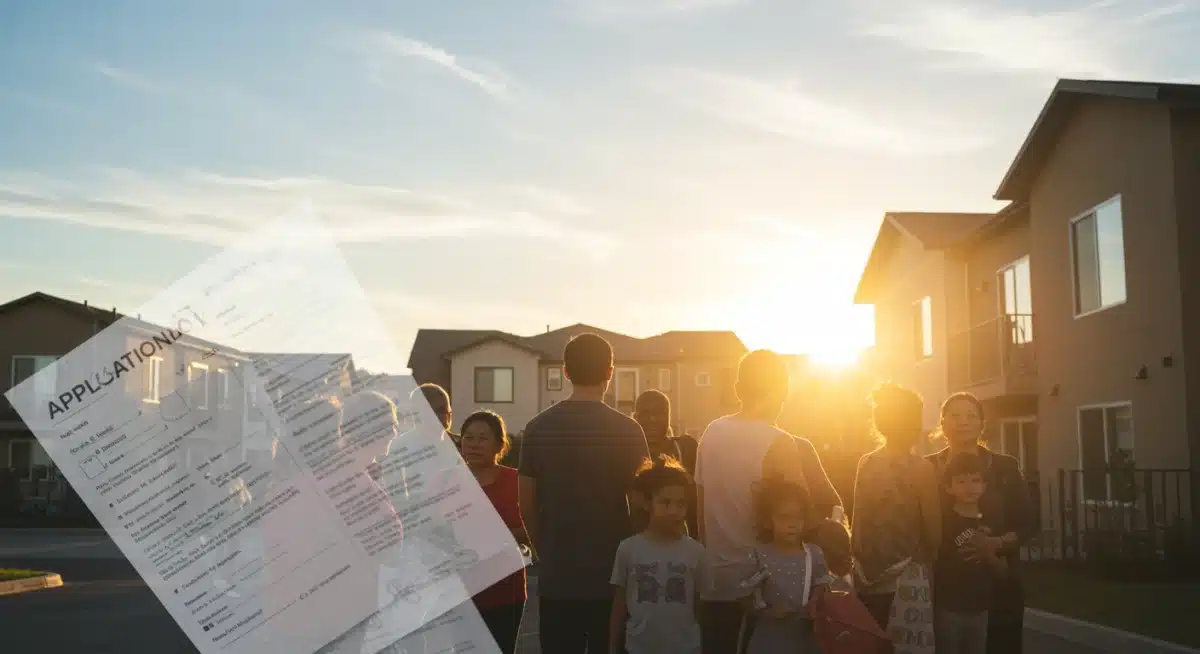
The new Federal Housing Assistance Program for 2025 offers critical support for eligible individuals and families, with application periods opening soon and specific criteria for participation. Staying updated on these time-sensitive details is crucial.
Are you concerned about housing stability in the coming year? The landscape of federal support is constantly evolving, and staying informed is not just beneficial, it’s essential. This article will delve into the critical details of the Federal Housing Assistance Program for 2025, providing you with recent updates, eligibility requirements, and crucial application deadlines.
Understanding the Federal Housing Assistance Landscape for 2025
The federal government’s commitment to ensuring stable housing for its citizens remains a cornerstone of its social policy. As we approach 2025, several key programs are being updated, refined, or introduced to address the diverse housing needs across the United States. These initiatives aim to alleviate housing insecurity, reduce homelessness, and promote economic self-sufficiency for millions of Americans.
Navigating the various federal housing assistance programs can be complex due to their distinct eligibility criteria, application processes, and benefits. It is crucial for individuals and families seeking support to understand these nuances to identify the programs that best suit their specific situations. Federal programs often work in conjunction with state and local initiatives, creating a multi-layered support system designed to reach a broad spectrum of populations.
Key Programs and Their Objectives
Several foundational programs form the backbone of federal housing assistance. Each has a specific target audience and set of objectives:
- Housing Choice Voucher Program (Section 8): This program helps very low-income families, the elderly, and the disabled afford decent, safe, and sanitary housing in the private market. It provides rental subsidies directly to landlords.
- Public Housing: Managed by local Public Housing Agencies (PHAs), this program offers affordable rental housing for low-income families, the elderly, and persons with disabilities. Rent is typically based on income.
- Homeless Assistance Programs: A suite of programs designed to prevent homelessness and provide emergency shelter, transitional housing, and rapid re-housing services.
These programs are not static; they undergo periodic reviews and adjustments to better serve the changing demographics and economic conditions of the nation. Understanding the core mission of each program is the first step toward effective application.
The federal government continues to emphasize a holistic approach to housing assistance, recognizing that stable housing is interconnected with health, employment, and education. Therefore, many programs now incorporate supportive services alongside direct financial aid, aiming for long-term stability rather than just temporary relief. This integrated strategy is expected to be a significant feature of the 2025 programs.
Eligibility Criteria: Who Qualifies for 2025 Programs?
Determining eligibility for federal housing assistance programs can often feel like a maze, but understanding the core requirements can simplify the process significantly. While specific criteria vary slightly between programs, several common factors are consistently evaluated. These typically revolve around income, family status, and citizenship or eligible immigration status.
Income limits are perhaps the most critical factor. Federal housing programs are designed to assist low-income and very low-income individuals and families. These limits are set annually by the Department of Housing and Urban Development (HUD) and are based on the Area Median Income (AMI) for a specific metropolitan area or non-metropolitan county. It is essential to check the most current income guidelines for your locality, as they can fluctuate yearly.
Income and Family Composition
Income is assessed based on gross annual income from all sources for all household members. This includes wages, salaries, social security, disability payments, and certain types of public assistance. Deductions for specific expenses, such as childcare or medical costs for elderly or disabled family members, may be allowed, which can impact your countable income.
- Low-Income: Typically defined as earning 80% or less of the AMI.
- Very Low-Income: Defined as earning 50% or less of the AMI.
- Extremely Low-Income: Defined as earning 30% or less of the AMI.
Family composition also plays a significant role. Eligibility is often extended to single individuals, couples, families with children, the elderly, and persons with disabilities. Some programs prioritize specific vulnerable populations, such as veterans, individuals experiencing homelessness, or victims of domestic violence. Verification of family status and household members is a standard part of the application process.
Citizenship and Residency Requirements
To qualify for most federal housing assistance, at least one member of the household must be a U.S. citizen or a non-citizen with eligible immigration status. This typically includes lawful permanent residents, refugees, and asylees. Verification of immigration status is a mandatory step, and specific documentation will be required. It is important to note that specific programs may have additional or slightly different residency requirements.
Furthermore, applicants typically undergo a background check, which may include criminal history and previous rental history. While a criminal record does not automatically disqualify an applicant, certain offenses, especially those related to drug manufacturing or violent crimes, may lead to denial. Previous evictions for cause can also impact eligibility. Understanding these requirements beforehand can help applicants prepare necessary documentation and address any potential concerns.
Application Process and Required Documentation for 2025
Applying for federal housing assistance can be a detailed process, but with proper preparation and understanding of the steps involved, it becomes much more manageable. The application process typically begins with identifying the appropriate program and contacting your local Public Housing Agency (PHA) or a designated housing authority. These agencies administer most federal housing programs at the local level.
The initial step often involves completing a pre-application or interest form. Due to high demand, many programs have waiting lists, which can sometimes be quite long. It’s advisable to apply to as many programs as you might be eligible for and to monitor the status of your application regularly. Some PHAs offer online portals for applications, while others may require in-person submission or mail.
Key Documents You Will Need
Once your name comes up on a waiting list or a program opens for applications, you will be asked to submit a comprehensive application along with supporting documentation. Gathering these documents in advance can significantly expedite the process. Here’s a general list of what you might need:
- Proof of Identity: Government-issued ID for all adult household members (driver’s license, state ID, passport). Birth certificates for all household members.
- Proof of Income: Recent pay stubs, W-2 forms, tax returns, Social Security statements, disability payments, unemployment compensation, child support orders, and any other income verification.
- Proof of Assets: Bank statements (checking and savings), statements for retirement accounts, stocks, bonds, and any other financial assets.
- Proof of Residency/Citizenship: Birth certificates, U.S. passports, green cards, or other relevant immigration documents.
- Social Security Cards: For all household members.
- Other Documents: Marriage certificates, divorce decrees, medical expense receipts (if applicable for deductions), and school enrollment verification for children.


It’s crucial to provide accurate and complete information. Any discrepancies or omissions can lead to delays or even denial of your application. Always keep copies of all submitted documents for your records. Some PHAs also require an in-person interview as part of the application process, where you may need to clarify information or provide additional details.
The application process for 2025 programs is expected to leverage more digital tools, so familiarity with online portals and electronic document submission will be increasingly beneficial. However, support services will remain available for those who need assistance with the digital aspects of the application.
Key Updates and Changes for the 2025 Program Year
As 2025 approaches, federal housing assistance programs are undergoing several important updates and changes designed to enhance their effectiveness and reach. These adjustments often reflect new legislative mandates, economic shifts, and lessons learned from previous program cycles. Staying informed about these modifications is crucial for both new applicants and current beneficiaries.
One significant area of focus for 2025 is expected to be increased flexibility in how federal funds can be utilized by local housing authorities. This could mean more tailored solutions for communities facing unique housing challenges, such as rural areas with limited housing stock or urban centers with high rental costs. The goal is to empower local agencies to respond more effectively to the specific needs of their populations.
Technological Enhancements and Accessibility
Another anticipated change involves the further integration of technology into the application and management of housing programs. This includes improved online application portals, digital document submission, and potentially more streamlined communication channels between applicants, beneficiaries, and housing authorities. The aim is to make the process more accessible and less burdensome for applicants, while also increasing efficiency for administrators.
- Digital Application Platforms: Expect more PHAs to offer fully online application systems, reducing the need for paper forms and in-person visits.
- Enhanced Communication: SMS and email notifications for application status updates, appointment reminders, and program changes.
- Data Integration: Potential for better coordination between housing assistance programs and other social service agencies, simplifying eligibility verification for multi-program beneficiaries.
Furthermore, there may be an emphasis on expanding housing options, particularly for vulnerable populations. This could involve new incentives for landlords to participate in voucher programs or increased funding for the development of affordable housing units. The federal government is continually exploring ways to increase the supply of safe, affordable housing across the nation.
Applicants should also be aware of potential changes to income limits and fair market rents (FMRs), which are updated annually by HUD. These updates directly impact eligibility and the maximum rental assistance provided by programs like the Housing Choice Voucher. Regular checks of HUD’s official website or your local PHA’s announcements are highly recommended to get the most current figures.
Critical Application Deadlines and How to Prepare
Meeting application deadlines is paramount when seeking federal housing assistance. Due to the high demand for these programs, deadlines are often strict, and missing them can mean significant delays in receiving aid or missing out on opportunities entirely. For the 2025 program year, while exact dates can vary by specific program and local housing authority, there are general windows and best practices to keep in mind.
Many Public Housing Agencies (PHAs) operate on a first-come, first-served basis for certain programs once their waiting lists open. Others may hold lotteries for limited slots. Therefore, proactive monitoring of announcements from your local PHA and HUD is essential. It is wise to sign up for email alerts or regularly check their official websites for opening dates.
General Timelines and Proactive Steps
While specific deadlines will be announced closer to 2025, it is common for PHAs to open waiting lists or application periods in late fall or early winter of the preceding year (i.e., late 2024 for 2025 programs) or in early spring of the program year. Some programs may have rolling applications, but even then, applying early is always advantageous.
- Monitor Local PHA Websites: Regularly check the official websites of Public Housing Agencies in your desired areas.
- Subscribe to Alerts: Many PHAs offer email or SMS notification services for program openings and important announcements.
- Contact Housing Counselors: Non-profit housing counseling agencies can provide invaluable guidance on application windows and local resources.
Preparing for the application process well in advance of any deadlines is a strategic move. This includes gathering all necessary documentation, such as proof of income, identification, and residency. Having these documents organized and readily accessible will allow you to complete applications quickly and accurately once they become available. Delays in documentation can lead to missed deadlines or incomplete submissions.
Additionally, it is advisable to understand the specific requirements of each program you are interested in. Some programs may have unique forms or require additional information beyond the standard set of documents. Being prepared for these specific requests will save time and reduce stress when the application period opens. Don’t wait until the last minute; begin your preparation today to maximize your chances of securing assistance.
Resources and Support for Applicants
Navigating the complexities of federal housing assistance programs can be challenging, but numerous resources and support systems are available to help applicants through every step of the process. These resources aim to provide clear information, direct assistance, and guidance to ensure that individuals and families can successfully access the aid they need.
The primary point of contact for most federal housing programs will be your local Public Housing Agency (PHA). PHAs are responsible for administering programs like the Housing Choice Voucher (Section 8) and public housing. They can provide specific details about local eligibility requirements, application procedures, and waiting list statuses. Their websites often contain comprehensive FAQs and contact information for their offices.
Where to Find Help and Information
Beyond PHAs, several other organizations and government bodies offer valuable support:
- HUD’s Official Website: The U.S. Department of Housing and Urban Development (HUD) website (HUD.gov) is an invaluable central resource. It provides detailed information on all federal housing programs, national eligibility guidelines, and links to local PHA directories.
- Housing Counseling Agencies: HUD-approved housing counseling agencies offer free or low-cost advice on a wide range of housing issues, including rental assistance, homeownership, and avoiding foreclosure. They can help you understand your options and prepare your application. You can find a list of agencies on HUD’s website.
- Non-Profit Organizations: Many local and national non-profit organizations specialize in housing advocacy and assistance. Groups like the National Low Income Housing Coalition (NLIHC) provide information and resources, often tailored to specific populations.
- Legal Aid Services: If you encounter legal issues during the application process or face discrimination, legal aid organizations can offer assistance and representation.
These resources are designed to demystify the application process and provide personalized support. Don’t hesitate to reach out to them if you have questions or need clarification. Engaging with these support systems early can significantly improve your chances of a successful application.
Furthermore, many communities have local initiatives and shelters that can offer immediate, short-term housing solutions or referrals to longer-term assistance programs. Connecting with these local networks can provide a safety net while you navigate the federal application process. Always remember that you are not alone in this journey, and help is available.
The Future of Federal Housing Assistance: What to Expect Beyond 2025
While our immediate focus is on the Federal Housing Assistance Program for 2025, it’s also important to consider the long-term outlook and potential future trends in federal housing policy. The landscape of housing assistance is continually evolving, driven by economic conditions, demographic shifts, and changing political priorities. Understanding these broader trends can help individuals and communities prepare for what lies ahead.
One major trend expected to continue beyond 2025 is an increased emphasis on sustainable and energy-efficient housing. Federal programs may offer incentives for landlords and developers to incorporate green building practices and energy-saving technologies, aiming to reduce utility costs for residents and minimize environmental impact. This aligns with broader national goals for climate resilience and affordability.
Addressing Housing Insecurity and Equity
Another critical area of focus will likely be on addressing the root causes of housing insecurity and promoting greater equity in housing access. This could involve policies aimed at combating discriminatory housing practices, expanding affordable housing options in historically underserved communities, and providing more comprehensive support services to help residents maintain their housing stability.
- Increased Investment in Affordable Housing: Expect continued advocacy for larger federal investments in the creation and preservation of affordable housing units.
- Supportive Services Integration: A growing trend to integrate housing assistance with other services like job training, healthcare, and education to foster long-term self-sufficiency.
- Data-Driven Policy Making: Greater reliance on data and research to identify housing needs and evaluate program effectiveness, leading to more targeted interventions.
Technological advancements are also expected to play an even larger role. Beyond streamlined applications, future programs might leverage data analytics to better match individuals with suitable housing options, identify areas of greatest need, and improve the efficiency of program administration. The goal is to create a more responsive and effective housing assistance ecosystem.
Finally, there will likely be ongoing discussions and legislative efforts to expand the reach and funding of existing programs, as well as to explore innovative approaches to housing solutions. Advocacy groups and housing experts continue to push for policies that ensure every American has access to safe, decent, and affordable housing. Staying engaged with these discussions and understanding the evolving policy landscape will be key for anyone interested in the future of federal housing assistance.
| Key Point | Brief Description |
|---|---|
| Eligibility Criteria | Primarily based on income (AMI), family composition, and U.S. citizenship or eligible immigration status. Background checks are common. |
| Application Process | Contact local PHAs, gather extensive documentation (ID, income, assets), and apply early due to potential waiting lists. |
| 2025 Program Updates | Expect increased flexibility for local PHAs, technological enhancements for applications, and a focus on expanding housing options. |
| Key Deadlines | Deadlines vary by program and locality; proactive monitoring of PHA websites and early preparation of documents are critical. |
Frequently Asked Questions About Federal Housing Assistance
The main goal of federal housing assistance programs is to help low-income individuals and families, the elderly, and persons with disabilities afford safe, decent, and sanitary housing. These programs aim to reduce housing insecurity and homelessness across the United States by providing financial support for rent or access to affordable housing units.
Eligibility for federal housing assistance in 2025 will primarily depend on your household’s income relative to your area’s median income (AMI), family size, and citizenship status. You should contact your local Public Housing Agency (PHA) or visit the HUD website for specific income limits and criteria applicable to your location.
Generally, you will need proof of identity for all household members, income verification (pay stubs, tax returns), asset statements (bank accounts), Social Security cards, and proof of U.S. citizenship or eligible immigration status. It is advisable to gather these documents in advance to expedite the application process.
Application opening dates and deadlines for 2025 programs vary widely by specific program and local Public Housing Agency (PHA). It is crucial to regularly monitor the official websites of your local PHA and the U.S. Department of Housing and Urban Development (HUD) for timely announcements and specific application windows.
Yes, numerous resources are available. Your local Public Housing Agency (PHA) is the primary resource. Additionally, HUD-approved housing counseling agencies offer free or low-cost advice. Non-profit organizations specializing in housing advocacy and local legal aid services can also provide valuable guidance and support during the application process.
Conclusion
The Federal Housing Assistance Program for 2025 represents a vital lifeline for countless individuals and families across the United States. Staying proactive and informed about eligibility criteria, application deadlines, and program updates is not merely a recommendation but a necessity. The federal government, through its various agencies and local partners, is committed to providing pathways to stable and affordable housing. By thoroughly understanding the application process, preparing all necessary documentation, and leveraging available resources, applicants can significantly improve their chances of securing the assistance they need. The future of federal housing assistance will likely see continued evolution, with a growing emphasis on sustainability, equity, and technological integration, all aimed at fostering more resilient communities and ensuring everyone has a place to call home.