Presidential Address: Key Policy Changes for 2026 Impacting Healthcare and Social Security
Presidential Address: Key Policy Changes for 2026 Impacting Healthcare and Social Security
The recent Presidential Address has set the stage for a transformative year, particularly with the announcement of significant 2026 policy changes. These reforms, detailed with a focus on their long-term implications, are poised to reshape two of the nation’s most critical pillars: healthcare and social security. Understanding the nuances of these changes is not just important for policy wonks, but for every citizen whose life will undoubtedly be touched by these sweeping adjustments. This deep dive aims to unravel the complexities, providing clarity on what these developments mean for individuals, families, and the broader economic landscape.
For decades, healthcare and social security have been subjects of intense debate, often seen as intractable problems requiring bold leadership. The current administration’s approach to these challenges, as outlined in the Presidential Address, suggests a comprehensive strategy designed to address both immediate concerns and future sustainability. The announced 2026 policy changes are not merely incremental adjustments; they represent a fundamental re-evaluation of how these essential services are funded, administered, and accessed. This article will explore the specific proposals, analyze their potential impacts, and discuss the pathways forward as these policies begin to take shape.
The political and economic climate surrounding these announcements is also crucial to consider. With an eye on fiscal responsibility and social equity, the administration has articulated a vision that seeks to balance competing priorities. The ambition behind these 2026 policy changes is clear: to create a more resilient, equitable, and sustainable system for all Americans. However, such large-scale reforms inevitably come with questions, concerns, and a need for detailed examination. Our goal here is to provide that examination, offering an informed perspective on what lies ahead.
Understanding the Core of Healthcare Policy Changes for 2026
The healthcare segment of the Presidential Address revealed several groundbreaking 2026 policy changes aimed at improving access, reducing costs, and enhancing the quality of care. At the heart of these reforms is a multi-pronged strategy that addresses everything from prescription drug pricing to insurance coverage and public health initiatives. The administration has emphasized a commitment to ensuring that quality healthcare is not a privilege but a right, accessible to all citizens regardless of their socio-economic status.
Prescription Drug Affordability Initiatives
One of the most anticipated aspects of the healthcare 2026 policy changes involves aggressive measures to tackle the rising cost of prescription drugs. The proposals include negotiating drug prices directly with pharmaceutical companies, similar to practices in other developed nations. This move is expected to significantly lower out-of-pocket expenses for patients and reduce the overall burden on the healthcare system. Furthermore, there are plans to streamline the approval process for generic drugs, fostering greater competition and driving down prices. The administration also highlighted potential rebates for certain high-cost medications, directly benefiting consumers at the pharmacy counter.
The impact of these drug affordability initiatives cannot be overstated. For many Americans, the cost of life-saving medications has become a significant financial strain, often leading to difficult choices between health and other necessities. By implementing these 2026 policy changes, the government aims to alleviate this burden, making essential treatments more accessible and preventing medical debt from spiraling out of control. This focus on affordability is a direct response to widespread public demand and a recognition of the critical role medication plays in maintaining public health.
Expanding Insurance Coverage and Subsidies
Another key component of the healthcare reforms is the expansion of insurance coverage. The 2026 policy changes propose increasing subsidies for individuals and families purchasing health insurance through government marketplaces, making plans more affordable for a broader segment of the population. This includes raising the income cap for eligibility for these subsidies and increasing the subsidy amounts themselves, thereby reducing premiums and out-of-pocket costs for millions of Americans.
Moreover, there are discussions around expanding Medicaid eligibility in states that have yet to do so, aiming to close the coverage gap and ensure that low-income individuals have access to comprehensive healthcare services. The administration’s vision for these 2026 policy changes is to move towards a system where fewer people are uninsured or underinsured, leading to better health outcomes and greater financial security for vulnerable populations. This expansion is designed to strengthen the healthcare safety net, ensuring that unexpected medical events do not lead to financial ruin.
Focus on Preventive Care and Public Health
Beyond affordability and access, the 2026 policy changes also place a strong emphasis on preventive care and public health. The address highlighted investments in public health infrastructure, including initiatives to combat chronic diseases, improve mental health services, and prepare for future health crises. There’s a clear recognition that investing in prevention can lead to healthier communities and reduce the long-term costs associated with treating avoidable illnesses.
This includes funding for community health centers, expanded vaccination programs, and public awareness campaigns on healthy living. The administration believes that by shifting the focus from reactive treatment to proactive prevention, the nation can achieve a healthier populace and a more sustainable healthcare system. These 2026 policy changes reflect a holistic approach to health, acknowledging that well-being extends beyond just medical treatment to encompass lifestyle, environment, and community support.
The Future of Social Security: What to Expect from 2026 Policy Changes
The Presidential Address also tackled the perennially challenging issue of social security, outlining significant 2026 policy changes aimed at ensuring the program’s long-term solvency and adapting it to modern economic realities. Social security, a cornerstone of retirement planning for millions, faces demographic pressures and economic shifts that require careful consideration and strategic adjustments. The proposed reforms seek to strengthen the program while maintaining its core promise to retirees, survivors, and disabled individuals.
Addressing Long-Term Solvency
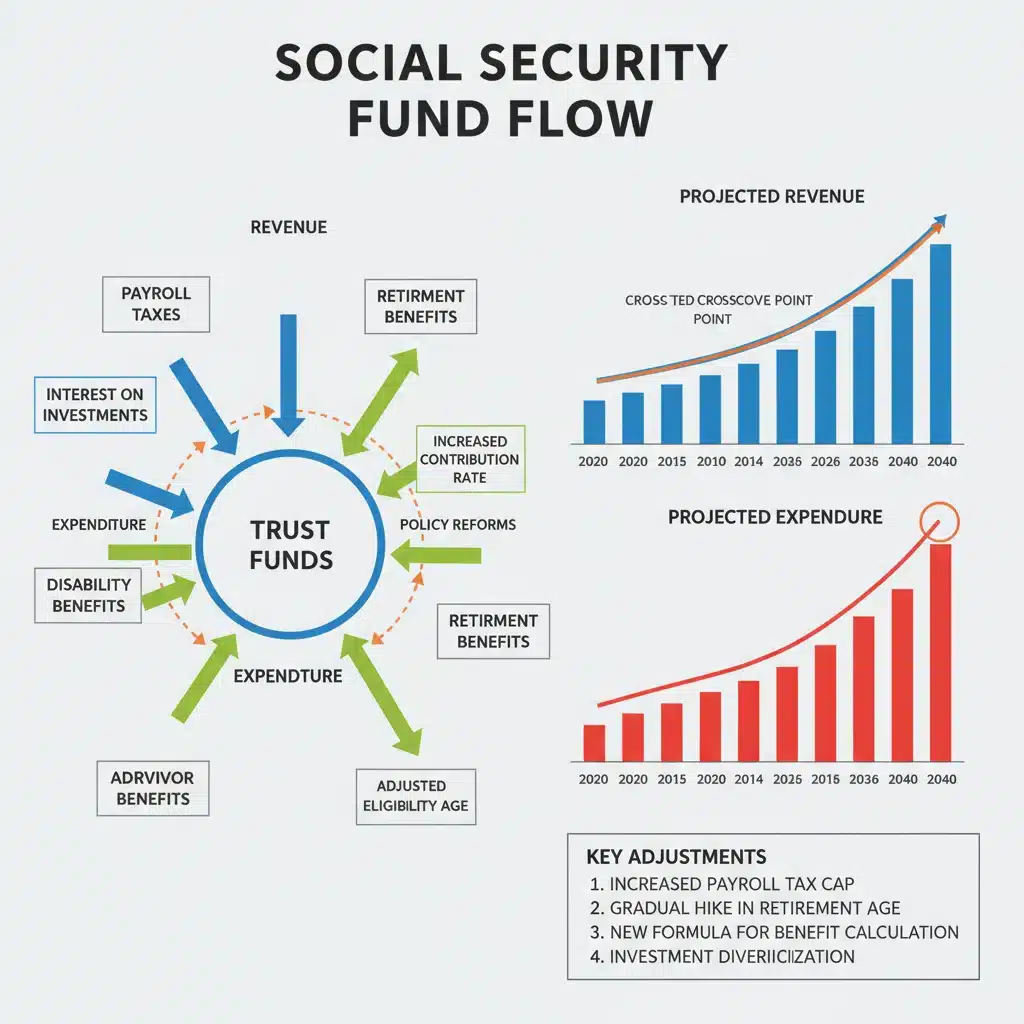
One of the primary goals of the social security 2026 policy changes is to address the program’s long-term financial health. Projections have indicated that without intervention, the trust funds could face depletion in the coming decades, leading to reduced benefits. The administration’s proposals include a combination of revenue enhancements and potential adjustments to benefit formulas, designed to ensure that social security remains viable for future generations.
Specific measures under consideration include raising the cap on earnings subject to social security taxes, meaning higher earners would contribute more to the system. There are also discussions about adjusting the cost-of-living allowance (COLA) calculation to better reflect the actual expenses of seniors, and potentially modifying the full retirement age for younger generations. These 2026 policy changes are complex and politically sensitive, but the administration has stressed the urgency of taking action to safeguard the program’s future.
Protecting Vulnerable Beneficiaries
While ensuring solvency is crucial, the Presidential Address also emphasized the importance of protecting the most vulnerable social security beneficiaries. The 2026 policy changes are designed to minimize any negative impact on low-income retirees and individuals with disabilities, who often rely solely on social security for their financial well-being. This includes provisions that would ensure a minimum benefit level and potentially enhance benefits for those with the longest work histories but lower lifetime earnings.
The administration’s approach seeks a balanced solution, one that strengthens the system without undermining its fundamental purpose of providing a safety net for those who need it most. The commitment to protecting vulnerable populations underscores the social equity aspect of these 2026 policy changes, ensuring that reforms are implemented with compassion and fairness. The aim is to ensure that while the system adapts, its core promise of security remains intact for all eligible Americans.
Adapting to a Changing Workforce
The modern workforce looks significantly different from when social security was first conceived. The rise of the gig economy, longer working lives, and shifts in traditional employment patterns all present challenges to the existing framework. The 2026 policy changes aim to adapt social security to these new realities, ensuring its relevance and effectiveness in a dynamic economic environment.
This includes exploring ways to better integrate non-traditional workers into the social security system, ensuring they accrue benefits and have adequate retirement protection. There are also discussions about how to incentivize longer working lives for those who are able and willing, potentially through adjustments to benefit accrual rates. These forward-looking 2026 policy changes are critical for ensuring that social security remains a robust and adaptive program, capable of serving the needs of future generations of workers and retirees.
Economic Implications of the 2026 Policy Changes
The proposed 2026 policy changes in healthcare and social security are not isolated reforms; they carry significant economic implications that will ripple through various sectors of the economy. From consumer spending to labor markets and government budgets, understanding these broader effects is essential for a complete picture of their impact.
Impact on Consumer Spending and Savings
If prescription drug costs decrease and insurance coverage expands, households could see a significant reduction in healthcare expenditures. This freed-up capital could then be directed towards other forms of consumer spending, boosting retail sales, services, and other industries. Conversely, any adjustments to social security benefits or increased payroll taxes to ensure solvency could affect disposable income for some individuals, impacting their spending and savings patterns.
The administration’s hope is that the overall effect of these 2026 policy changes will be a net positive for household finances, particularly for those currently burdened by high medical costs. Increased financial security for retirees through a strengthened social security system could also lead to more predictable spending habits among seniors, contributing to economic stability. The interplay between these reforms and individual financial decisions will be a key area to watch as the policies are implemented.
Government Budget and Fiscal Health
The 2026 policy changes will undoubtedly have a substantial impact on the federal budget. While some healthcare reforms, like drug price negotiation, are expected to generate savings, others, such as expanded subsidies and Medicaid, will require increased government expenditure. Similarly, social security reforms aimed at solvency might involve higher tax revenues or reallocations within the budget.
The administration has framed these investments as crucial for long-term fiscal health, arguing that a healthier population and a stable social safety net reduce future costs associated with emergency care, poverty, and economic downturns. The challenge will be in balancing these new expenditures with existing fiscal commitments and ensuring that the reforms contribute to overall economic growth rather than exacerbating national debt. The careful management of these financial flows will be paramount to the success of these 2026 policy changes.
Labor Market Dynamics
The 2026 policy changes could also influence labor market dynamics. Improved healthcare access and affordability might lead to a healthier workforce, reducing absenteeism and increasing productivity. For older workers, a more secure social security system could influence retirement decisions, potentially encouraging some to work longer if they feel financially stable, or enabling others to retire earlier with confidence.
Changes in employer-provided health insurance, driven by governmental reforms, might also alter hiring practices and employee benefits packages. Companies could see reduced pressure to offer costly insurance plans if public options become more robust, potentially freeing up resources for wage increases or other investments. These ripple effects on the labor market are a crucial, though often overlooked, aspect of comprehensive policy reforms.

Anticipated Challenges and Public Reaction to 2026 Policy Changes
Implementing such sweeping 2026 policy changes is rarely without its challenges. The Presidential Address acknowledged the potential for debate and opposition, emphasizing the need for continued dialogue and collaboration. Public reaction, stakeholder engagement, and the practicalities of implementation will all play critical roles in shaping the ultimate success of these reforms.
Political Opposition and Bipartisan Efforts
Significant policy changes, especially those touching on deeply entrenched issues like healthcare and social security, often face considerable political opposition. Different political factions hold varying philosophies on the role of government in these areas, leading to intense debates over funding, scope, and implementation details. The administration’s ability to forge bipartisan consensus or effectively navigate legislative hurdles will be crucial for the successful enactment of the 2026 policy changes.
Public discourse around these reforms will likely be charged, with advocacy groups, industry lobbyists, and concerned citizens all voicing their perspectives. The challenge lies in translating the administration’s vision into practical legislation that can garner sufficient support across the political spectrum. Compromise and strategic negotiation will be key elements in ensuring that these ambitious 2026 policy changes can move from proposal to reality.
Implementation Logistics and Timelines
Even with political will, the logistical challenges of implementing large-scale 2026 policy changes are immense. Reforming healthcare systems and social security programs involves complex administrative adjustments, IT infrastructure upgrades, and extensive public outreach. The timeline for these changes will need to be carefully managed to avoid disruptions and ensure a smooth transition for beneficiaries and providers alike.
This includes training healthcare professionals on new billing codes, educating the public on eligibility requirements for new subsidies, and updating social security administration processes. The success of these reforms will depend not just on the policies themselves, but on the efficiency and effectiveness of their real-world application. Careful planning and robust oversight will be necessary to navigate these implementation hurdles.
Public Perception and Education
Public perception will be a critical factor in the success of the 2026 policy changes. Misinformation or a lack of understanding can quickly undermine even the most well-intentioned reforms. The administration will need to engage in extensive public education campaigns to clearly communicate the details of the changes, their benefits, and how they will impact individual citizens.
Addressing concerns, clarifying misconceptions, and demonstrating the long-term advantages of these reforms will be essential for building public trust and support. Transparency and open communication will be vital in ensuring that the public understands the rationale behind these significant adjustments and feels confident in their future under the new policy framework. The narrative surrounding these 2026 policy changes will be just as important as the policies themselves.
Conclusion: A New Era for Healthcare and Social Security with 2026 Policy Changes
The Presidential Address has indeed ushered in a new era, marked by ambitious 2026 policy changes designed to fundamentally reform healthcare and social security. These initiatives represent a significant commitment to addressing some of the nation’s most pressing challenges, aiming to improve the well-being and financial security of millions of Americans. From making prescription drugs more affordable and expanding insurance coverage to strengthening the long-term solvency of social security, the proposed reforms touch upon almost every aspect of civic life.
While the path to implementation will undoubtedly be complex, fraught with political debates and logistical challenges, the vision behind these 2026 policy changes is clear: to build a more resilient, equitable, and sustainable future. As these policies begin to take shape, it will be crucial for citizens, stakeholders, and policymakers alike to remain engaged, informed, and prepared for the transformations ahead. The impact of these reforms will resonate for decades to come, defining a new chapter in the nation’s commitment to public health and social welfare.
The journey towards these reforms is not just about legislative action; it’s about a collective effort to adapt, innovate, and ensure that the foundational pillars of our society continue to serve the needs of all. The 2026 policy changes are more than mere adjustments; they are a testament to an ongoing commitment to progress and the pursuit of a better future for every citizen. Staying informed and understanding these developments is the first step in navigating this evolving landscape.