New Medicaid Expansion Rules 2026: Eligibility & Enhanced Benefits

New Medicaid Expansion Rules for 2026: Are You Now Eligible for Enhanced Healthcare Benefits?
The healthcare landscape in the United States is in a constant state of evolution, with policies and regulations frequently updated to address the changing needs of the population. As we look towards 2026, significant adjustments to Medicaid expansion rules are on the horizon, promising to reshape eligibility criteria and potentially open doors to enhanced healthcare benefits for millions. Understanding these changes is not just important; it’s crucial for individuals and families seeking affordable and accessible medical care. This comprehensive guide will delve deep into the upcoming Medicaid Expansion 2026, exploring who might become newly eligible, what enhanced benefits are expected, and how these shifts could impact your health and financial well-being.
Medicaid, a cornerstone of the American healthcare system, provides health coverage to millions of low-income Americans, including children, pregnant women, seniors, and individuals with disabilities. Its expansion, primarily driven by the Affordable Care Act (ACA), has played a pivotal role in reducing the uninsured rate across participating states. However, the program’s reach and specifics vary significantly from state to state, a complexity that the new Medicaid Expansion 2026 rules aim to address, or at least, modify. These forthcoming changes are not merely administrative tweaks; they represent a potential paradigm shift in how states manage and deliver healthcare to their most vulnerable populations.
For many, the prospect of new eligibility criteria brings a glimmer of hope. Families who previously found themselves in the coverage gap – earning too much for Medicaid but too little for significant subsidies on the health insurance marketplace – might finally find a pathway to comprehensive health coverage. Moreover, even those already covered by Medicaid could see an expansion of services and benefits, leading to a more robust and responsive healthcare experience. The implications are far-reaching, touching upon preventative care, chronic disease management, mental health services, and access to specialty treatments.
Understanding the Foundation: What is Medicaid Expansion?
Before we dive into the specifics of Medicaid Expansion 2026, it’s essential to grasp the fundamental concept of Medicaid expansion itself. Historically, Medicaid eligibility was tied to specific categories, such as being a parent, pregnant, elderly, or disabled, and meeting very low-income thresholds. The Affordable Care Act of 2010 sought to broaden this access by allowing states to expand Medicaid eligibility to nearly all non-elderly adults with incomes up to 138% of the federal poverty level (FPL). This expansion was designed to fill the aforementioned coverage gap, ensuring that more low-income individuals could access health insurance.
While the ACA made this expansion optional for states, many have adopted it, leading to a significant increase in the number of insured Americans. States that expanded Medicaid receive enhanced federal funding to cover the costs of newly eligible individuals. This federal-state partnership has been instrumental in improving health outcomes and reducing uncompensated care costs in hospitals. However, a handful of states have yet to expand Medicaid, leaving a substantial portion of their low-income populations without an affordable healthcare option. The ongoing debate surrounding expansion in these states continues to highlight the economic and health disparities that exist across the nation.
The upcoming Medicaid Expansion 2026 rules are anticipated to build upon this foundation, potentially introducing new incentives for non-expansion states, refining existing eligibility guidelines, or even mandating certain aspects of coverage that were previously discretionary. These changes could be driven by a variety of factors, including evolving healthcare needs, economic shifts, and new legislative priorities. Keeping abreast of these developments is key to understanding the future of public health insurance in the U.S.
Key Changes Expected in Medicaid Expansion 2026 Eligibility
The core of the Medicaid Expansion 2026 lies in its revised eligibility criteria. While the exact details are still being finalized and may be subject to state-level interpretation, several key areas are expected to see significant modifications. These changes could affect various demographics, from working adults to individuals with specific health conditions.
Adjustments to Income Thresholds
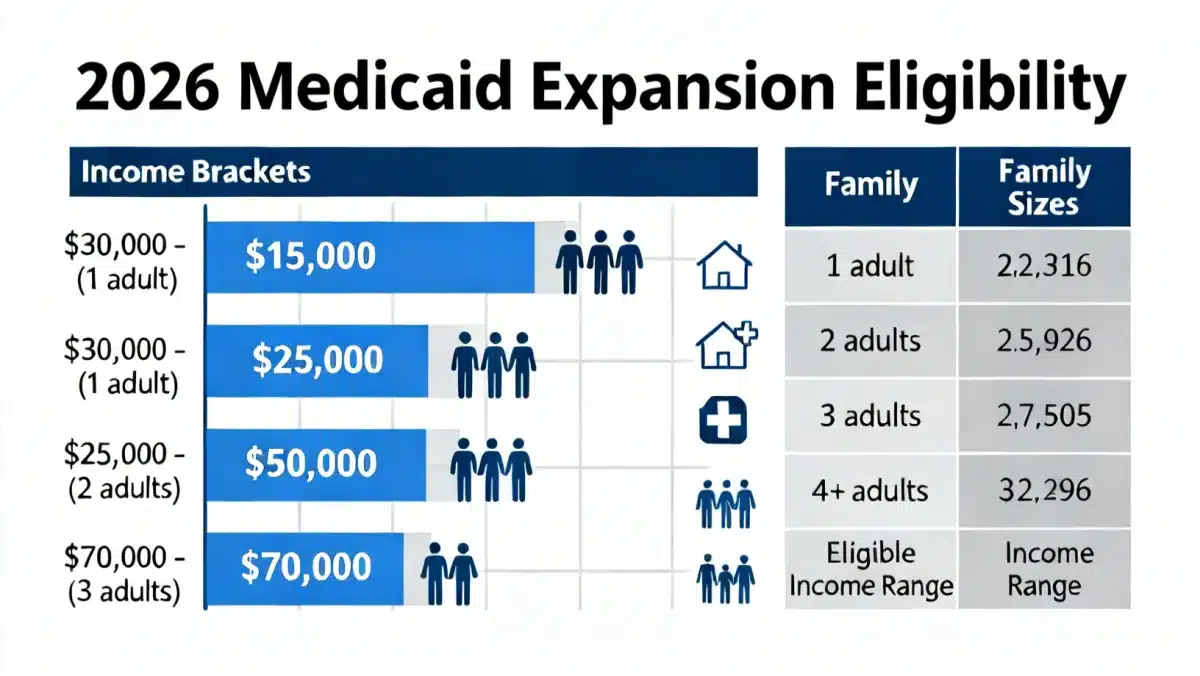
One of the most anticipated changes involves adjustments to the federal poverty level (FPL) thresholds used for Medicaid eligibility. The FPL is updated annually, but the 2026 rules might introduce a more dynamic or responsive system for determining income eligibility, potentially indexing it to local economic conditions or a broader measure of living costs. This could mean that individuals and families earning slightly above the current FPL might become eligible, especially in high-cost-of-living areas where the current FPL doesn’t accurately reflect financial hardship. For instance, the 138% FPL benchmark might be adjusted upward or supplemented with additional considerations for housing and childcare costs.
Furthermore, there might be changes in how income is calculated. Current rules can be complex, often leading to confusion. Simplified income verification processes, or a more inclusive definition of what constitutes ‘countable income,’ could be introduced, making it easier for eligible individuals to qualify. This could also involve a review of asset limits, which sometimes prevent individuals from accessing Medicaid even with low incomes if they possess modest assets.
Expanded Categorical Eligibility
Beyond income, Medicaid traditionally relies on categorical eligibility. While the ACA expanded this to include nearly all non-elderly adults, the Medicaid Expansion 2026 could introduce new categories or broaden existing ones. For example, there might be specific provisions for:
- Post-Partum Coverage: Extending Medicaid coverage for new mothers beyond the current 60-day post-partum period, potentially up to 12 months, recognizing the critical health needs during this time.
- Individuals with Chronic Conditions: Special pathways for individuals living with specific chronic diseases who may not meet traditional income thresholds but face exorbitant medical costs.
- Justice-Involved Individuals: Enhanced or new eligibility for individuals transitioning out of correctional facilities, ensuring continuity of care and reducing recidivism related to untreated health issues.
- Youth in Foster Care: Extending coverage for young adults aging out of foster care beyond the current age limits, providing a stable healthcare foundation during a vulnerable transition period.
These expansions aim to target specific populations that have historically faced significant barriers to healthcare access, aligning with a broader goal of health equity.
State-Specific Variations and Federal Incentives
While federal guidelines for Medicaid Expansion 2026 will be central, states will likely retain some flexibility. For non-expansion states, there might be new or increased federal incentives to adopt the expansion, potentially sweeter deals that make it more financially viable for them to opt-in. This could include higher federal matching rates for a longer duration, or grants to assist with the administrative burden of expanding their programs. Such incentives could significantly reduce the number of non-expansion states, thereby extending coverage to millions more Americans.
For states that have already expanded, the new rules might offer opportunities to innovate within their programs, perhaps through waivers that allow for tailored approaches to specific local health challenges, such as the opioid crisis or mental health epidemics. These variations, while maintaining federal oversight, could lead to more effective and community-responsive Medicaid programs.
Enhanced Healthcare Benefits Under Medicaid Expansion 2026
Beyond eligibility, the Medicaid Expansion 2026 is also expected to bring about significant enhancements to the range and quality of healthcare benefits available to recipients. The goal is not just to get more people covered, but to ensure that the coverage they receive is comprehensive and addresses a wider spectrum of health needs.
Expanded Mental Health and Substance Use Disorder Services
One of the most critical areas for enhancement is mental health and substance use disorder (SUD) services. The ongoing mental health crisis and opioid epidemic have highlighted significant gaps in access and coverage. The 2026 rules are anticipated to mandate or strongly encourage more robust coverage for these services, including:
- Increased Access to Therapy and Counseling: Broader networks of mental health professionals and fewer restrictions on the number of therapy sessions.
- Integrated Care Models: Promoting the integration of mental health and physical health services, recognizing that these are often interconnected.
- SUD Treatment Expansion: Enhanced coverage for various forms of substance use disorder treatment, including medication-assisted treatment (MAT), inpatient and outpatient rehabilitation, and harm reduction services.
- Telehealth for Behavioral Health: Permanent integration and expanded reimbursement for telehealth services in mental health and SUD care, making it more accessible, especially in rural areas.
These changes reflect a growing understanding of mental and behavioral health as integral components of overall well-being, deserving of parity with physical health services.
Focus on Preventative Care and Chronic Disease Management
The Medicaid Expansion 2026 is also likely to place a greater emphasis on preventative care and effective management of chronic diseases. This proactive approach aims to improve long-term health outcomes and reduce the overall cost of healthcare by preventing conditions from worsening. Expected enhancements include:
- Expanded Preventative Screenings: Broader coverage for various preventative screenings, such as cancer screenings, diabetes screenings, and cardiovascular risk assessments, starting at younger ages or with greater frequency.
- Chronic Disease Management Programs: Development and expansion of specialized programs for managing common chronic conditions like diabetes, heart disease, and asthma, offering education, support, and coordinated care.
- Nutritional Counseling and Lifestyle Interventions: Increased coverage for services that promote healthy lifestyles, including nutritional counseling, weight management programs, and physical activity initiatives, particularly for at-risk populations.
- Dental and Vision Coverage: While some states already offer limited dental and vision benefits for adults, the 2026 rules might push for more comprehensive and standardized coverage, recognizing their impact on overall health.
By investing in prevention and chronic care, the new rules aim to foster a healthier population and alleviate the burden on emergency services.
Telehealth and Digital Health Integration
The COVID-19 pandemic accelerated the adoption of telehealth, demonstrating its potential to increase access to care. The Medicaid Expansion 2026 is expected to solidify and expand the role of telehealth and other digital health technologies within Medicaid programs. This could involve:
- Permanent Telehealth Reimbursement: Ensuring that telehealth services are permanently reimbursed at rates comparable to in-person visits for a wider range of services.
- Remote Patient Monitoring: Expanding coverage for remote monitoring devices for chronic conditions, allowing providers to track patient health data from a distance and intervene proactively.
- Digital Health Literacy Programs: Initiatives to help Medicaid beneficiaries navigate and utilize digital health tools effectively, addressing potential disparities in access and technological proficiency.
- Virtual Specialty Consultations: Facilitating easier access to specialists through virtual consultations, especially beneficial for individuals in rural or underserved areas.
This integration of technology aims to make healthcare more convenient, efficient, and accessible for Medicaid recipients.
Who Will Be Most Affected by Medicaid Expansion 2026?
The impact of the Medicaid Expansion 2026 will be widespread, but certain groups are likely to experience the most significant changes.
Low-Income Working Adults
This demographic, often caught in the coverage gap, stands to benefit immensely. Many working adults earn too much to qualify for traditional Medicaid but not enough to afford private insurance, even with marketplace subsidies. The adjusted income thresholds and potential categorical expansions could finally provide them with comprehensive health coverage, alleviating financial stress and allowing them to access necessary medical care without fear of bankruptcy.
Individuals in Non-Expansion States
If new federal incentives prove compelling enough, states that have historically resisted Medicaid expansion might finally adopt it. This would be a monumental shift for millions of residents in these states, granting them access to health insurance they previously lacked. This could dramatically improve public health metrics in these regions, reducing emergency room visits for preventable conditions and fostering a healthier workforce.
Individuals with Chronic Health Conditions or Disabilities
Those with ongoing health needs often face the highest medical costs. The enhanced benefits, particularly in chronic disease management and specialty care, will be crucial for these individuals. Improved access to specialists, medications, and supportive services can lead to better health outcomes, increased independence, and a higher quality of life.
Mothers and Children
The potential extension of post-partum coverage and continued focus on pediatric care will significantly benefit mothers and children. Ensuring consistent healthcare for new mothers can reduce maternal mortality and morbidity rates, while robust children’s health programs lay the foundation for a healthy future generation.
Rural and Underserved Populations
Telehealth expansion and a focus on integrating care models will be particularly impactful for individuals in rural and underserved areas, where access to healthcare facilities and specialists is often limited. Digital health solutions can bridge geographical gaps, making quality care more readily available.
How to Prepare for Medicaid Expansion 2026
As 2026 approaches, proactive steps can help you prepare for these significant changes and ensure you can take advantage of any new eligibility or benefits.
Stay Informed and Monitor Updates
The most crucial step is to stay informed. Healthcare policy is dynamic, and specific details of the Medicaid Expansion 2026 will continue to emerge. Regularly check official government websites (like Medicaid.gov, your state’s Medicaid agency, and Healthcare.gov), reputable news sources, and healthcare advocacy organizations for the latest updates. Sign up for newsletters or alerts from these sources to receive timely information.
Review Your Current Health Coverage
Understand your current health insurance situation. Are you uninsured? Are you currently enrolled in Medicaid, CHIP, or a marketplace plan? Knowing your current status will help you assess how the new rules might affect you. If you’re uninsured or underinsured, start gathering documents that might be needed for an application, even if you don’t apply until 2026.
Gather Necessary Documentation
Applying for Medicaid typically requires documentation to verify identity, residency, income, and household size. While specific requirements can vary, common documents include:
- Proof of identity (driver’s license, state ID, passport)
- Proof of U.S. citizenship or eligible immigration status (birth certificate, passport, green card)
- Proof of residency (utility bill, lease agreement)
- Proof of income (pay stubs, tax returns, W-2 forms, self-employment records)
- Social Security numbers for all household members
- Information about other health insurance (if applicable)
Having these documents ready can significantly streamline the application process once the new rules are in effect.
Understand Your State’s Position
Medicaid is a federal-state partnership, meaning state-level decisions play a huge role. Research your specific state’s current Medicaid expansion status and any proposed legislative changes related to the 2026 rules. Your state’s Medicaid agency website is the best resource for this information. If your state is a non-expansion state, pay close attention to any news regarding new federal incentives that might encourage them to expand.
Seek Assistance from Navigators or Enrollment Counselors
Navigating healthcare enrollment can be complex. Many states and non-profit organizations offer free assistance from trained navigators or enrollment counselors. These professionals can help you understand your eligibility, compare options, and complete the application process. They are an invaluable resource, especially if you anticipate changes to your eligibility under the Medicaid Expansion 2026.
Consider Your Household Income and Changes
If your income or household size is close to current or anticipated Medicaid thresholds, consider how any future changes in your employment or family structure might affect your eligibility. Keep records of all income fluctuations throughout the year. The new rules might offer more flexibility, but understanding your financial situation is always the first step.

The Broader Impact of Medicaid Expansion 2026
The upcoming Medicaid Expansion 2026 is more than just a set of regulatory adjustments; it has the potential to create a ripple effect across the entire healthcare ecosystem and beyond.
Economic Benefits
Expanding Medicaid has consistently shown economic benefits for states. Increased federal funding flowing into states to cover healthcare costs can stimulate local economies, create jobs in the healthcare sector, and reduce the financial strain on hospitals that would otherwise bear the cost of uncompensated care. When more people have health coverage, they are also more likely to be healthy enough to work, contributing to a more productive workforce.
Improved Public Health Outcomes
With more people insured and accessing preventative and primary care, public health outcomes are expected to improve. This means fewer emergency room visits for treatable conditions, better management of chronic diseases, and a reduction in health disparities among different population groups. The focus on mental health and substance use disorders is particularly critical for addressing some of the most pressing public health challenges today.
Reduced Healthcare Costs in the Long Run
While expanding coverage initially requires investment, numerous studies suggest that robust preventative care and early intervention can lead to significant cost savings in the long run. By preventing conditions from escalating into costly emergencies or requiring extensive, long-term treatments, Medicaid expansion can contribute to a more sustainable healthcare system.
Strengthening the Safety Net
Medicaid serves as a crucial safety net for millions. The Medicaid Expansion 2026 will likely strengthen this net, ensuring that more individuals and families have access to essential healthcare services during times of need, protecting them from medical debt and financial ruin due to illness or injury.
Potential Challenges and Considerations
While the prospects of Medicaid Expansion 2026 are largely positive, it’s also important to acknowledge potential challenges and considerations.
State Budgetary Concerns
Even with enhanced federal funding, states will still bear a portion of the cost of expansion. This can be a point of contention, particularly in states with tight budgets or political opposition to expansion. The effectiveness of federal incentives will be key in overcoming these budgetary hurdles.
Healthcare Provider Capacity
An increase in the number of insured individuals can put a strain on the existing healthcare infrastructure. Ensuring there are enough primary care physicians, specialists, mental health professionals, and facilities to meet the increased demand will be crucial. Investments in workforce development and innovative care delivery models will be necessary to prevent long wait times and access issues.
Administrative Complexity
Implementing new rules and managing an expanded caseload can be administratively complex for state Medicaid agencies. Streamlined application processes, robust IT systems, and adequate staffing will be essential to ensure smooth operations and efficient enrollment.
Ongoing Political Debates
Healthcare policy remains a highly politicized issue. The Medicaid Expansion 2026, like previous expansions, may face political challenges that could affect its implementation and long-term stability. Advocacy and public education will play a vital role in ensuring these changes are effectively communicated and supported.
Conclusion: Navigating the Future of Healthcare with Medicaid Expansion 2026
The upcoming Medicaid Expansion 2026 represents a significant moment in the ongoing effort to ensure accessible and affordable healthcare for all Americans. With potential adjustments to eligibility criteria and a focus on enhanced benefits, particularly in mental health, preventative care, and digital health, millions stand to gain improved access to vital medical services. These changes are poised to not only improve individual health outcomes but also contribute to healthier communities and stronger economies.
As we move closer to 2026, staying informed, understanding your state’s specific policies, and preparing necessary documentation will be paramount. The healthcare landscape is dynamic, and proactive engagement is the best way to navigate these changes successfully. Whether you are currently uninsured, a Medicaid recipient, or simply interested in the future of healthcare, understanding the nuances of the new Medicaid expansion rules is essential. By embracing these changes and leveraging the resources available, we can collectively work towards a future where comprehensive healthcare is a reality for a broader segment of the population, fostering a healthier, more resilient nation.
The journey towards universal healthcare coverage is long and complex, but each step, like the anticipated Medicaid Expansion 2026, brings us closer to a society where health is a right, not a privilege. Be ready to explore your eligibility and embrace the enhanced benefits that may soon be within reach.