2026 Energy Policy Overhaul: Utility Cost Impacts
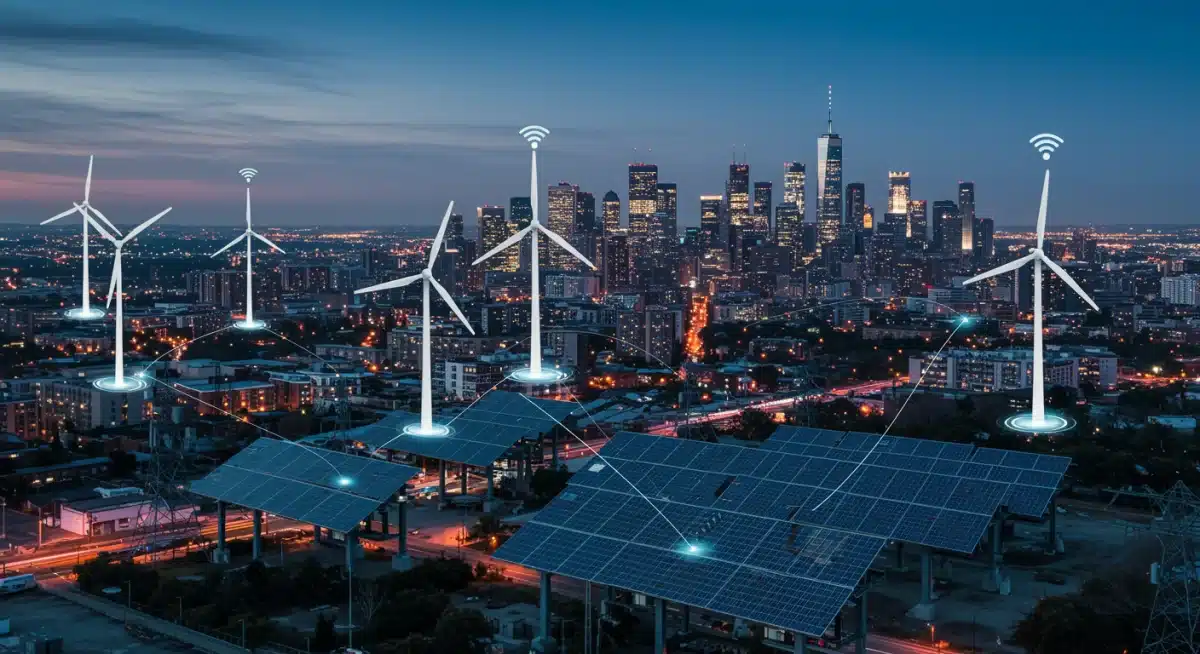
The 2026 energy policy overhaul fundamentally reshapes the US energy landscape, introducing new regulations that will significantly impact utility costs for consumers and businesses nationwide, driven by sustainability and infrastructure modernization.
As 2026 unfolds, a monumental shift in how America powers its homes and businesses is underway. The 2026 energy policy overhaul is not just a series of adjustments; it’s a comprehensive reshaping of the regulatory framework governing our energy sector, poised to bring both challenges and opportunities for utility costs across the United States. What will these new regulations mean for your monthly energy bill?
Understanding the Core Tenets of the 2026 Energy Policy
The new energy policy for 2026 represents a significant pivot towards sustainability, energy independence, and grid modernization. It’s built on several pillars designed to address climate change, enhance energy security, and foster economic growth through innovation. These foundational changes have direct implications for how energy is produced, distributed, and ultimately, priced for consumers.
At its heart, the policy aims to accelerate the transition to cleaner energy sources while simultaneously bolstering the resilience of the national power grid. This involves substantial investments in renewable energy infrastructure, such as solar and wind farms, and the development of advanced energy storage solutions. Additionally, there’s a strong emphasis on smart grid technologies that can optimize energy delivery and reduce waste.
Key Regulatory Frameworks and Their Direct Impact
Several new regulatory frameworks are central to the 2026 overhaul. These include stricter emissions standards for traditional power plants, incentives for renewable energy adoption, and new mandates for energy efficiency in both residential and commercial sectors. Understanding these frameworks is crucial to grasping the potential shifts in utility costs.
- Carbon Pricing Mechanisms: New federal or state-level carbon pricing initiatives could directly increase the operational costs for fossil fuel-based power generators, which might be passed on to consumers.
- Renewable Portfolio Standards (RPS): Expanded RPS mandates require utilities to source a larger percentage of their electricity from renewable sources, potentially leading to initial investment costs but long-term savings through reduced fuel price volatility.
- Energy Efficiency Mandates: Stricter building codes and appliance efficiency standards are designed to reduce overall energy consumption, which can lower individual utility bills despite potential increases in per-unit energy costs.
The policy’s emphasis on infrastructure upgrades, while essential for a reliable and sustainable energy future, often comes with upfront costs. These costs are typically recovered through utility rates, meaning consumers will likely see charges related to grid modernization and renewable energy integration on their bills.
Projected Impact on Residential Utility Bills
For the average American household, the 2026 energy policy overhaul is expected to bring a mixed bag of changes to utility bills. While some initial increases are plausible due to infrastructure investments and carbon pricing, the long-term outlook suggests potential for stabilization and even reduction through energy efficiency and renewable energy adoption.
The specific impact will vary significantly based on geographic location, local energy mix, and individual household consumption patterns. States heavily reliant on fossil fuels may experience higher initial cost adjustments as they transition, whereas states with established renewable energy infrastructure might see more stable or even decreasing rates.
Navigating New Rate Structures and Consumer Programs
Utilities are likely to introduce new rate structures to align with the policy’s goals. These might include time-of-use (TOU) rates, where electricity prices vary based on the time of day, encouraging consumers to shift high-demand activities to off-peak hours. Additionally, demand charges for large residential users could become more prevalent.
- Time-of-Use (TOU) Rates: Encourages energy consumption during off-peak hours, potentially lowering bills for those who adapt.
- Net Metering Adjustments: Changes to net metering policies may affect the financial benefits for homeowners with rooftop solar installations.
- Rebate and Incentive Programs: New federal and state programs will likely offer rebates for energy-efficient appliance upgrades, home insulation, and solar panel installations, helping offset upfront costs.
Consumers will need to become more proactive in managing their energy consumption. Smart home technologies, energy monitoring devices, and participation in demand-response programs will become increasingly valuable tools for mitigating the impact of new utility costs.
Consequences for Commercial and Industrial Sectors
Businesses, particularly those in energy-intensive industries, will face substantial adjustments under the 2026 energy policy overhaul. Increased operational costs due to carbon pricing and higher renewable energy mandates could impact competitiveness, but also spur innovation in energy management and efficiency.
Many businesses are already exploring ways to reduce their carbon footprint and energy consumption, and the new policies will only accelerate these efforts. The policy aims to incentivize businesses to invest in their own on-site renewable generation and energy storage, or to participate in corporate power purchase agreements (PPAs) for clean energy.
Strategic Adaptations for Businesses
To navigate the evolving energy landscape, businesses will need to adopt strategic approaches to energy procurement and consumption. This includes conducting comprehensive energy audits, investing in energy-efficient equipment, and exploring renewable energy options.
- Energy Audits and Efficiency Upgrades: Identifying and implementing efficiency measures can significantly reduce energy bills and improve compliance with new standards.
- On-site Generation: Installing solar panels or other renewable energy sources on company premises can provide a stable, long-term energy supply and reduce reliance on grid electricity.
- Participation in Energy Markets: Larger industrial consumers may benefit from directly participating in wholesale energy markets or engaging in demand-response programs to optimize costs.
The policy also presents opportunities for businesses developing clean energy technologies, energy management solutions, and sustainable infrastructure. These companies are well-positioned to thrive in the new regulatory environment, potentially creating new jobs and economic growth.
The Role of Renewable Energy in Cost Stabilization
A cornerstone of the 2026 policy is the aggressive push for renewable energy sources. While the initial investment in renewable infrastructure can be significant, the long-term benefits include reduced reliance on volatile fossil fuel markets and a more stable, predictable energy supply. This shift is crucial for moderating future utility costs.
As the cost of solar, wind, and battery storage technologies continues to decline, these sources are becoming increasingly competitive with traditional fossil fuels. The policy aims to accelerate this trend, making clean energy the dominant force in the national energy mix.
Investment in Green Infrastructure and Technology
The policy encourages massive investment in green infrastructure, including utility-scale solar and wind projects, advanced geothermal systems, and hydropower upgrades. These investments are not just about environmental benefits; they are also about creating a more resilient and economically stable energy system.
- Grid Modernization: Upgrading the aging grid with smart technologies ensures efficient integration of intermittent renewable sources and reduces transmission losses.
- Energy Storage Solutions: Battery storage and other energy storage technologies are vital for balancing the grid and ensuring a consistent power supply from renewables, mitigating price spikes.
- Research and Development: Continued funding for R&D in areas like advanced nuclear, carbon capture, and new renewable technologies will further drive down costs and improve efficiency.
The expansion of renewable energy capacity is expected to create a more diverse and robust energy portfolio, reducing the overall risk associated with single-source reliance and ultimately contributing to more stable utility rates over time.
Grid Modernization and Infrastructure Investments
The existing US energy grid, largely built in the mid-20th century, is showing its age. The 2026 energy policy places a strong emphasis on modernizing this critical infrastructure, making it more resilient, efficient, and capable of handling the increasing demands of a decarbonized economy. These investments, while costly upfront, are essential for long-term energy security and cost control.
Modernization efforts include upgrading transmission lines, implementing smart grid technologies, and enhancing cybersecurity measures. A smarter grid can better manage electricity flow, anticipate outages, and integrate diverse energy sources, from large-scale power plants to distributed rooftop solar.

Smart Grid Technologies and Their Benefits
Smart grid technologies are at the forefront of infrastructure development. These technologies use digital communication and advanced sensors to monitor and manage the electricity grid in real-time. This allows for more efficient distribution of power, quicker response to outages, and better integration of renewable energy sources.
- Advanced Metering Infrastructure (AMI): Smart meters provide consumers with detailed information on their energy usage, empowering them to make informed decisions and potentially reduce consumption.
- Automated Grid Management: Systems that can automatically reroute power during an outage significantly reduce downtime and improve reliability.
- Demand-Side Management: Programs that encourage consumers to reduce energy use during peak demand periods can help prevent blackouts and stabilize prices.
These investments aim to create a more robust and responsive energy system, which, despite initial costs, is expected to lead to greater efficiency, fewer disruptions, and ultimately, more predictable and potentially lower utility costs in the long run.
Consumer Adaptation and Future Preparedness
The success of the 2026 energy policy overhaul, particularly in managing utility costs, relies significantly on consumer adaptation. Households and businesses that proactively engage with new technologies and programs will be better positioned to mitigate potential increases and even realize savings.
Being prepared means understanding the new regulatory landscape, exploring available incentives, and making informed decisions about energy consumption and investment. The policy provides a clear signal that energy efficiency and renewable energy adoption are not just environmental choices, but also economic imperatives.
Strategies for Households and Businesses
For individuals, simple changes like upgrading to LED lighting, improving home insulation, and using smart thermostats can have a significant impact. For businesses, comprehensive energy management plans and investments in on-site generation can yield substantial benefits.
- Embrace Energy Efficiency: Prioritize upgrades to energy-efficient appliances and building materials.
- Monitor and Manage Usage: Utilize smart meters and home energy management systems to track and optimize consumption.
- Explore Renewable Options: Investigate rooftop solar, community solar programs, or green energy tariffs offered by utilities.
The 2026 energy policy overhaul is a long-term strategy. By understanding its components and actively participating in the transition, consumers and businesses can not only adapt to new utility costs but also contribute to a more sustainable and economically sound energy future for the United States.
| Key Policy Area | Impact on Utility Costs |
|---|---|
| Renewable Energy Mandates | Initial investment costs, potential long-term savings from reduced fuel volatility. |
| Grid Modernization | Upfront charges recovery through rates, leading to greater efficiency and reliability. |
| Carbon Pricing | Increased operational costs for fossil fuels, potentially passed to consumers. |
| Energy Efficiency Mandates | Reduces overall consumption, potentially lowering bills despite per-unit cost changes. |
Frequently asked questions about the 2026 energy policy
The primary goal is to accelerate the transition to cleaner energy sources, enhance energy security, and modernize the national power grid. This involves significant investments in renewable energy, stricter emissions standards, and new energy efficiency mandates across the United States.
Residential utility bills may see initial increases due to infrastructure investments and carbon pricing. However, long-term projections suggest potential for stabilization or reduction through increased energy efficiency, renewable energy adoption, and new consumer programs like time-of-use rates.
Businesses can manage costs by conducting energy audits, investing in energy-efficient equipment, exploring on-site renewable generation, and participating in energy markets or demand-response programs. These strategies help reduce consumption and mitigate the impact of new regulations.
Yes, while initial investments are required, the long-term expansion of renewable energy is expected to stabilize and potentially lower utility costs. This is due to reduced reliance on volatile fossil fuel markets and decreasing technology costs for solar, wind, and battery storage solutions.
Grid modernization, through smart technologies and upgraded infrastructure, leads to greater efficiency in power distribution, reduced transmission losses, and better integration of diverse energy sources. This results in fewer outages, improved reliability, and ultimately more predictable and potentially lower utility costs.
Conclusion
The 2026 energy policy overhaul marks a pivotal moment for the United States energy sector, with far-reaching implications for utility costs. While the transition will undoubtedly involve adjustments and initial investments, the overarching goal of a cleaner, more resilient, and efficient energy system promises long-term benefits. By embracing energy efficiency, adopting renewable technologies, and adapting to new regulatory frameworks, both consumers and businesses can navigate these changes effectively, contributing to a sustainable future while managing their energy expenditures.