Veterans’ Benefits Updates 2026: Disability & Education Support
The 2026 veterans’ benefits updates introduce significant policy shifts affecting disability compensation and education support, requiring veterans to understand these changes for optimal access to their earned benefits and opportunities.
The landscape of support for those who have served our nation is ever-evolving. For veterans and their families, staying abreast of changes is not just advisable, it’s crucial for maximizing the benefits earned through their service. This article delves into the critical details of the Understanding Veterans’ Benefits Updates for 2026: Key Policy Shifts Affecting Disability and Education Support, offering a clear roadmap through the impending adjustments.
Overview of Veterans’ Benefits in 2026
As we approach 2026, the Department of Veterans Affairs (VA) is set to implement several significant policy changes that will impact a wide array of benefits. These updates are designed to refine the support systems for veterans, addressing both long-standing issues and emerging needs. Understanding these foundational shifts is the first step toward navigating the new landscape effectively. The VA continuously strives to improve its services, and these 2026 updates reflect a concerted effort to enhance the quality and accessibility of benefits.
The changes encompass various areas, from modifications in disability compensation criteria to adjustments in educational assistance programs. These revisions are not merely administrative; they represent a deeper commitment to the well-being and future success of veterans. It’s important for beneficiaries to recognize that while some changes might appear minor on the surface, their cumulative effect can be substantial on individual circumstances. Staying informed through official VA channels and trusted resources is paramount.
Key Legislative Drivers Behind the 2026 Changes
Several legislative initiatives have paved the way for the 2026 benefits updates. These legislative actions often stem from a combination of advocacy efforts, congressional reviews, and evolving economic conditions. The primary goal is always to ensure that veterans receive fair and comprehensive support that aligns with their sacrifices and current societal needs.
- Veterans’ Health and Benefits Act of 2025: This act introduced several provisions aimed at streamlining the application process for certain benefits.
- PACT Act Expansion: Building on the foundation of the Honoring Our Promise to Address Comprehensive Toxics (PACT) Act, 2026 sees further expansion of presumptive conditions.
- Education Modernization Bill: A new bill focuses on adapting educational benefits to the demands of the modern workforce, encouraging skill development.
These legislative drivers underscore a proactive approach to veterans’ care, seeking to anticipate future challenges and provide robust solutions. The ongoing commitment to improving the lives of veterans is evident in the comprehensive nature of these bills, which touch upon physical health, mental well-being, and economic stability. It is a testament to the nation’s gratitude for their service.
Disability Compensation: Major Policy Shifts
Disability compensation remains a cornerstone of VA support, providing financial assistance to veterans with service-connected conditions. The 2026 updates introduce several critical modifications to how these claims are evaluated and awarded. These changes aim to ensure greater fairness, efficiency, and responsiveness to veterans’ health needs. It is essential for veterans currently receiving or planning to apply for disability benefits to understand these nuances, as they could directly impact their entitlements.
One of the most significant shifts involves the presumptive conditions list. Expanding this list means that certain conditions, previously requiring extensive proof of service connection, will now be automatically presumed to be service-connected if a veteran served in specific locations or during particular timeframes. This reduces the burden of proof for many veterans, accelerating the claims process and ensuring faster access to much-needed support.
Expanded Presumptive Conditions for Toxic Exposure
The PACT Act, a landmark piece of legislation, continues to evolve, with 2026 marking further expansion in presumptive conditions related to toxic exposures. This includes new conditions linked to burn pits, Agent Orange, and other environmental hazards encountered during military service. The scientific and medical community’s growing understanding of these exposures has informed these crucial updates.
- New respiratory illnesses: Additional chronic respiratory conditions are now included as presumptive for veterans exposed to burn pits.
- Cardiovascular diseases: Certain heart conditions are now recognized as potentially linked to specific toxic exposures.
- Rare cancers: An expanded list of rare cancers is being added, acknowledging the unique health challenges faced by exposed veterans.
These expansions are a direct response to the persistent advocacy of veteran groups and a clearer understanding of the long-term health consequences of military service. They represent a vital step towards ensuring that veterans suffering from these conditions receive the care and compensation they deserve without undue administrative hurdles. The VA is also investing in enhanced medical research to further identify and address service-connected illnesses, reflecting a commitment to evidence-based policy making.
Educational Support: Enhancements to GI Bill Programs
Education is a powerful tool for veterans transitioning to civilian life and building new careers. The GI Bill programs have long been instrumental in this regard, and 2026 brings forward enhancements designed to make these benefits even more effective and adaptable. These updates aim to better align educational opportunities with current economic demands and provide greater flexibility for veterans pursuing diverse academic and vocational paths. The goal is to empower veterans to achieve their educational and career aspirations.
One key area of focus is the modernization of approved programs. The VA is moving to include a wider range of technical and vocational training programs, recognizing that not all veterans seek traditional four-year degrees. This expansion ensures that veterans have access to high-demand skills training, making them more competitive in the job market. The emphasis is on practical, career-focused education that yields tangible employment outcomes. Furthermore, increased funding for career counseling and academic advising services will provide personalized guidance to veterans as they navigate their educational journeys.
Flexibility in Program Selection and Enrollment
The updated GI Bill provisions for 2026 introduce greater flexibility in how veterans can utilize their educational benefits. This includes more options for part-time enrollment, hybrid learning models, and even short-term certification courses. The aim is to accommodate the varied life circumstances of veterans, many of whom balance family responsibilities, employment, and their studies.

- Increased allowance for non-traditional education: Benefits can now be applied to a broader range of apprenticeships, on-the-job training, and coding bootcamps.
- Streamlined transfer process: Veterans can more easily transfer unused benefits to eligible dependents, fostering continued family support.
- Enhanced academic support: New initiatives provide tutoring and academic coaching services to ensure successful program completion.
These changes reflect a forward-thinking approach to veteran education, acknowledging the evolving nature of learning and employment. By offering more choices and greater support, the VA is committed to ensuring that every veteran has the opportunity to achieve their full potential through education. This flexibility is particularly important in a rapidly changing job market, where continuous learning and adaptation are key to career success. The reforms also seek to reduce administrative burdens for educational institutions, making it easier for them to serve veteran students.
Healthcare and Mental Health Services
Veterans’ healthcare is a critical component of their overall well-being, and the VA continues to refine its services to meet diverse health needs. The 2026 updates bring forth enhancements in both physical and mental health provisions, emphasizing preventative care, specialized treatments, and expanded access. These improvements are designed to provide comprehensive, high-quality care that addresses the unique health challenges faced by the veteran community. The focus is on holistic care, encompassing not just physical ailments but also mental and emotional health.
A significant area of improvement is the expansion of mental health services. Recognizing the growing need for accessible and effective mental healthcare, the VA is increasing its network of providers and introducing new telehealth options. This makes it easier for veterans, particularly those in rural areas, to receive timely support for conditions such as PTSD, depression, and anxiety. The stigma surrounding mental health is also being actively addressed through awareness campaigns and integrated care models, encouraging veterans to seek help without hesitation.
Telehealth and Community Care Expansion
The integration of telehealth services is a game-changer for many veterans, offering convenience and reducing travel burdens. In 2026, the VA is significantly expanding its telehealth capabilities, allowing for more virtual appointments, remote monitoring, and digital access to specialists. This is complemented by further expansion of the Community Care program, which enables veterans to receive care from non-VA providers when VA facilities are not readily available or cannot provide the specific service needed.
- Increased virtual appointment slots: More availability for mental health counseling, primary care consultations, and specialist follow-ups via secure video calls.
- Broader community care network: Partnerships with additional private healthcare providers to ensure veterans have more local options for specialized treatments.
- Enhanced digital health tools: New mobile applications and online portals for managing appointments, prescriptions, and health records.
These initiatives are aimed at breaking down barriers to care, ensuring that veterans can access the right treatment at the right time, regardless of their location. The emphasis on both telehealth and community care reflects a commitment to a flexible and responsive healthcare system. Furthermore, the VA is investing in training its staff in new technologies and patient-centered approaches, ensuring that the quality of care remains high across all delivery models. This dual approach maximizes accessibility while maintaining high standards of medical excellence.
Housing and Homelessness Initiatives
Addressing veteran homelessness and ensuring stable housing remains a top priority for the VA. The 2026 updates introduce new programs and strengthen existing ones to combat homelessness and provide comprehensive housing support. These initiatives are designed to offer immediate relief to veterans in crisis and long-term solutions that promote self-sufficiency and stability. The goal is to ensure that every veteran has a safe and dignified place to call home, recognizing that stable housing is fundamental to overall well-being and successful reintegration into civilian life.
A key focus is on preventative measures, identifying veterans at risk of homelessness before they reach a crisis point. This involves enhanced outreach programs, early intervention services, and partnerships with community organizations to provide immediate assistance. For veterans already experiencing homelessness, there’s an increased emphasis on rapid rehousing initiatives, coupled with supportive services such as case management, employment assistance, and mental health counseling. These comprehensive approaches are vital for addressing the multifaceted challenges associated with homelessness.
Expanded Housing Vouchers and Support Programs
The VA is expanding its housing voucher programs in 2026, making it easier for eligible veterans to secure affordable housing. These vouchers cover a portion of rent, significantly reducing the financial burden and increasing access to stable living conditions. Additionally, new supportive housing programs are being launched, offering not just a roof over one’s head but also integrated services tailored to the individual needs of veterans, including those with chronic health conditions or substance use disorders.
- Increased allocation of HUD-VASH vouchers: More housing vouchers are available through partnerships with the Department of Housing and Urban Development.
- New transitional housing facilities: Development of additional facilities offering temporary shelter and comprehensive support services.
- Enhanced legal aid for tenancy issues: Providing veterans with legal assistance to prevent evictions and resolve housing disputes.
These expansions underscore a commitment to ending veteran homelessness by providing diverse pathways to stable housing. The holistic approach, combining financial assistance with supportive services, acknowledges that housing is just one piece of the puzzle. By addressing underlying issues such as unemployment, mental health, and substance abuse, these programs aim to create lasting solutions. The VA is also working to reduce bureaucratic hurdles, making it easier for veterans to access these vital housing resources. Collaboration with local governments and non-profits is key to the success of these far-reaching initiatives.
Navigating the Application Process and Resources
Understanding the available benefits is only half the battle; successfully navigating the application process is equally crucial. The 2026 updates also bring some changes to how veterans can apply for and manage their benefits, aiming to make these processes more user-friendly and efficient. It’s vital for veterans to be aware of these procedural adjustments to ensure their applications are submitted correctly and processed without unnecessary delays. The VA is continuously refining its systems to reduce complexity and improve the overall applicant experience.
One of the key improvements is the enhancement of online portals and digital tools. The VA is investing in technology to create a more intuitive and integrated online experience, allowing veterans to track their applications, submit documents, and communicate with VA representatives more easily. This digital transformation is aimed at reducing paperwork and providing 24/7 access to information, empowering veterans to manage their benefits effectively from anywhere. While digital options are expanding, traditional support channels remain available for those who prefer them or require additional assistance.
Digital Tools and Veteran Service Organizations (VSOs)
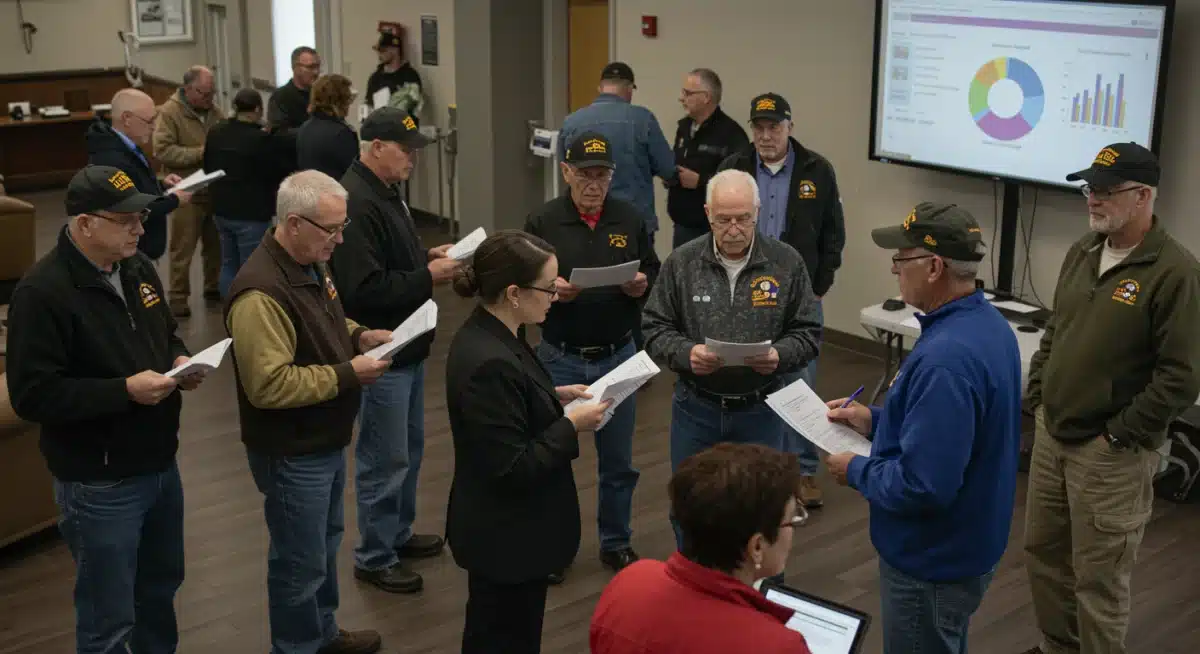
The VA’s commitment to digital accessibility is evident in the new and improved online resources. These tools are designed to simplify the benefits application process, from initial inquiry to final approval. However, for those who prefer or require in-person assistance, Veteran Service Organizations (VSOs) remain an invaluable resource. These organizations provide free, expert guidance and advocacy, helping veterans understand their eligibility and navigate complex paperwork.
- MyVA Dashboard: An updated online portal offering personalized benefit information, application tracking, and secure messaging with VA staff.
- VA mobile applications: New apps for managing health appointments, prescription refills, and accessing educational resources on the go.
- VSO partnerships: Strengthened collaborations with VSOs to provide increased local support, workshops, and one-on-one counseling.
Leveraging both digital tools and the expertise of VSOs can significantly enhance a veteran’s ability to access their entitled benefits. These resources are designed to demystify what can often be a daunting process, ensuring that veterans receive the support they need every step of the way. The VA is also enhancing its training programs for VSO representatives, ensuring they are fully up-to-date with all 2026 policy changes. This collaborative approach ensures that comprehensive and accurate information is available through multiple trusted channels.
Future Outlook and Long-Term Impact
The 2026 veterans’ benefits updates are not isolated changes but part of a continuous effort to improve the lives of those who have served. Looking beyond these immediate adjustments, the long-term impact of these policy shifts is expected to be profoundly positive, fostering greater economic stability, improved health outcomes, and enhanced educational opportunities for the veteran community. These reforms lay the groundwork for a more responsive and effective support system, adapting to future challenges and evolving needs. The VA’s strategic planning extends far beyond 2026, with ongoing research and policy development.
The emphasis on preventative care, expanded mental health services, and flexible educational pathways reflects a proactive vision for veteran support. By investing in these areas, the VA aims to address root causes of issues like homelessness and unemployment, rather than simply reacting to crises. This forward-thinking approach is crucial for building a resilient veteran community capable of thriving in civilian life. The continuous dialogue between veteran advocates, policymakers, and healthcare professionals ensures that future updates will remain relevant and impactful.
Anticipated Benefits and Challenges Post-2026
While the 2026 updates promise significant improvements, they also present new challenges, particularly in terms of implementation and awareness. The success of these policies hinges on effective communication and outreach to ensure all eligible veterans are aware of and can access the new or modified benefits. The VA and its partners will need to work diligently to disseminate information and provide assistance during this transition period.
- Improved veteran well-being: Expected reductions in veteran homelessness, improved mental health indicators, and higher educational attainment rates.
- Economic empowerment: Increased access to job training and higher education should lead to better employment rates and financial stability.
- Awareness and outreach: Continuous effort required to inform veterans about new benefits and application procedures.
The long-term vision is one where veterans are fully integrated and flourishing members of society, supported by a robust and adaptive benefits system. The 2026 updates are a significant step in this direction, demonstrating a commitment to honoring the sacrifices of service members by providing them with the tools and resources they need to succeed long after their military careers conclude. Ongoing evaluation and feedback mechanisms will be critical to refining these policies and ensuring their continued effectiveness in the years to come. This iterative process of improvement is fundamental to maintaining a high standard of veteran care.
| Key Policy Area | Brief Description of 2026 Update |
|---|---|
| Disability Compensation | Expanded presumptive conditions for toxic exposure, simplifying claims for affected veterans. |
| Education Benefits | Enhanced GI Bill flexibility, broader program selection including vocational training. |
| Healthcare Services | Significant expansion of telehealth and community care options, especially for mental health. |
| Housing & Homelessness | Increased housing vouchers and new supportive programs to combat veteran homelessness. |
Frequently Asked Questions About 2026 Veterans’ Benefits
The most significant changes include an expansion of presumptive conditions, particularly for toxic exposures like burn pits and Agent Orange. This means more conditions will be automatically considered service-connected, simplifying the claims process for many veterans and ensuring faster access to compensation.
The 2026 updates enhance GI Bill flexibility by including a wider range of technical and vocational training programs, allowing for part-time and hybrid learning models, and streamlining the transfer of unused benefits to dependents. This adapts benefits to modern career paths.
VA healthcare is expanding significantly in telehealth capabilities for virtual appointments and remote monitoring. Additionally, the Community Care program is growing, offering more options for veterans to receive care from non-VA providers when convenient or necessary, especially for mental health.
Yes, 2026 sees increased allocation of HUD-VASH housing vouchers and the establishment of new transitional housing facilities. These initiatives focus on rapid rehousing, prevention, and comprehensive supportive services to help veterans secure and maintain stable housing.
Veterans can utilize the updated MyVA Dashboard and mobile applications for digital assistance. Additionally, Veteran Service Organizations (VSOs) across the country offer free, expert guidance and advocacy to help navigate the application processes and understand eligibility criteria for all benefits.
Conclusion
The veterans benefits updates 2026 represent a significant step forward in the nation’s commitment to supporting its service members. From expanded disability compensation for toxic exposures to more flexible educational opportunities and enhanced healthcare, these policy shifts are designed to provide more comprehensive and accessible assistance. While navigating these changes may require diligence, the resources available through the VA and Veteran Service Organizations are robust and ready to assist. Staying informed and proactive will empower veterans to fully leverage their earned benefits, ensuring a smoother transition to civilian life and a secure future. The long-term positive impact of these reforms underscores a dedication to the well-being and prosperity of all who have honorably served.