2025 Healthcare Reform Bill: Key Coverage Changes & Financial Impact

The 2025 Healthcare Reform Bill introduces significant changes to health insurance coverage, aiming to expand access and affordability while impacting financial responsibilities for millions of Americans across the United States.
The landscape of healthcare in the United States is constantly evolving, and the recently passed 2025 Healthcare Reform Bill marks another pivotal moment. This new legislation is poised to reshape how millions of Americans access medical care, manage their health insurance, and navigate the associated financial implications. Understanding these changes is crucial for every individual and family to prepare effectively for the future.
Understanding the Genesis of the 2025 Healthcare Reform Bill
The journey to the 2025 Healthcare Reform Bill has been long and complex, rooted in decades of efforts to address the persistent challenges within the U.S. healthcare system. Concerns over rising costs, access disparities, and the quality of care have fueled continuous legislative debates and reform attempts. This latest bill is a direct response to these ongoing issues, aiming to build upon previous frameworks while introducing new solutions.
Policymakers have been keen to strike a balance between expanding coverage and ensuring the financial stability of the healthcare market. The legislative process involved extensive deliberation, expert testimonies, and public discourse, culminating in a bill that seeks to mend existing fissures and fortify the system for future generations. Its core tenets reflect a commitment to greater equity and sustainability in healthcare provision across all states.
Historical Context and Precedents
To fully grasp the significance of the 2025 bill, it’s essential to look back at prior healthcare reforms, most notably the Affordable Care Act (ACA). The ACA dramatically expanded insurance coverage, but also faced criticisms regarding premium costs and limited provider networks. The new legislation attempts to learn from these past experiences, retaining successful elements while overhauling those that proved less effective or created unintended burdens.
- ACA’s influence: The 2025 bill maintains certain consumer protections established by the ACA, such as coverage for pre-existing conditions.
- Addressing gaps: It specifically targets areas where the ACA fell short, particularly in making insurance truly affordable for middle-income families.
- Bipartisan efforts: While often contentious, certain aspects of the bill garnered bipartisan support, signaling a broader consensus on specific reform needs.
The legislative history underscores a continuous effort to refine and adapt healthcare policy to the changing needs of the American populace. Each reform builds on the last, aiming for a more robust and equitable system. The 2025 bill is not an isolated event but a continuation of this critical national dialogue.
Ultimately, the genesis of this bill lies in the ongoing quest for a healthcare system that is both accessible and affordable for all Americans. It represents a legislative response to both the successes and shortcomings of previous reforms, striving for a more comprehensive and sustainable solution in the complex world of health policy. Understanding this background provides necessary context for appreciating the bill’s profound implications.
Key Provisions and Expansions in Coverage
The 2025 Healthcare Reform Bill introduces several pivotal provisions designed to expand and improve healthcare coverage for a broader segment of the population. These changes are not merely incremental; they represent a significant shift in how health insurance will be structured and accessed. Central to these provisions are enhanced subsidies, broadened eligibility criteria, and new mandates for insurance providers.
One of the most impactful aspects is the expansion of financial assistance for individuals and families purchasing insurance through state and federal marketplaces. This aims to reduce the burden of high premiums and out-of-pocket costs, making essential health benefits more attainable for those who previously found them prohibitive. The bill also addresses specific gaps in coverage that have historically left certain demographics vulnerable.
Enhanced Subsidies and Eligibility
A cornerstone of the 2025 bill is the significant enhancement of premium tax credits, making insurance more affordable for a wider range of income levels. This move is expected to bring millions more into the insured population, particularly those earning just above the previous cutoff for substantial assistance.
The new legislation adjusts the income caps for subsidy eligibility, extending financial help to individuals and families who were previously deemed too affluent to qualify but still struggled with high healthcare costs. This expansion is critical for the middle class, often caught between high incomes and rising medical expenses.
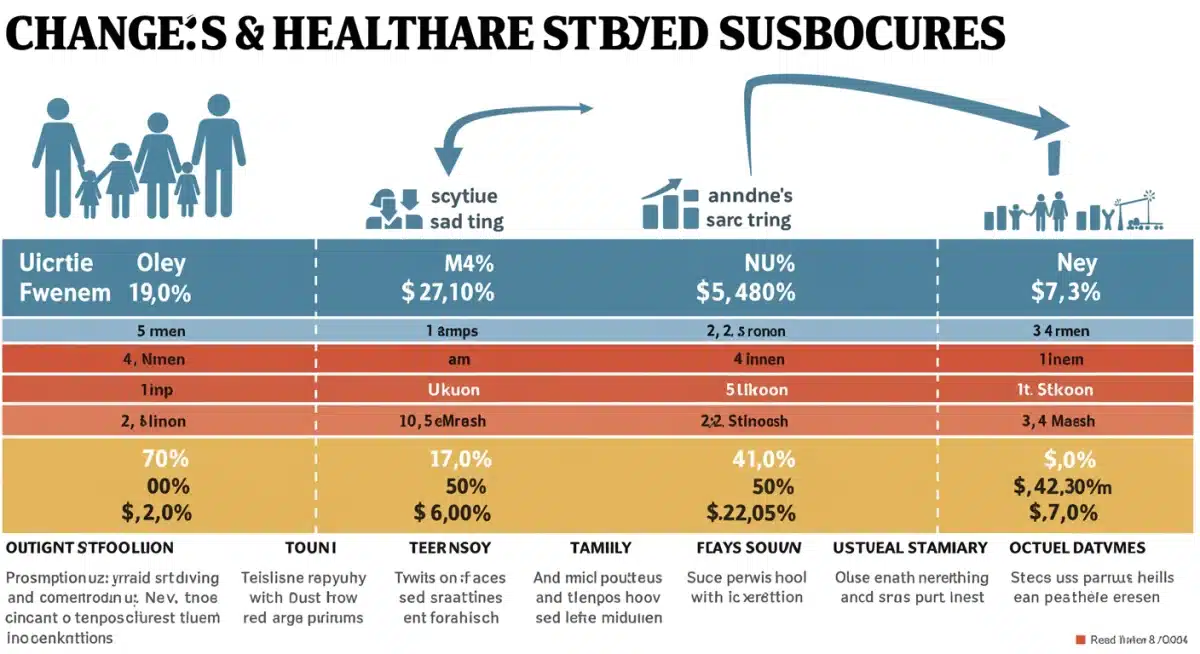
- Lower out-of-pocket maximums: The bill caps annual out-of-pocket expenses at a lower percentage of household income, protecting consumers from catastrophic medical bills.
- Dental and vision integration: For certain plans, there will be a push to integrate essential dental and vision benefits, particularly for pediatric care, reducing the need for separate policies.
- Expanded Medicaid options: States that have not yet expanded Medicaid may receive additional federal incentives to do so, further broadening coverage for low-income individuals.
These provisions collectively aim to create a more inclusive healthcare system where financial barriers are substantially reduced. The goal is not just to provide insurance, but to ensure that the insurance offers meaningful access to care without leading to financial ruin. The expanded subsidies are a direct response to consumer complaints about affordability.
In conclusion, the expansions in coverage under the 2025 Healthcare Reform Bill are designed to be comprehensive and impactful. By refining subsidy structures and broadening eligibility, the legislation seeks to make healthcare a right more easily accessible to all Americans, rather than a privilege tied to economic status. These measures are expected to significantly alter the landscape of health insurance for the better.
Financial Impact on Individuals and Families
The financial implications of the 2025 Healthcare Reform Bill are a paramount concern for individuals and families across the nation. While the bill aims to improve affordability, the actual impact will vary significantly depending on income, current insurance status, and specific healthcare needs. Understanding these potential shifts is essential for proactive financial planning and informed decision-making.
For many, particularly those with lower to moderate incomes, the expansion of subsidies is expected to result in lower monthly premiums and reduced out-of-pocket costs. However, some higher-income individuals or those with employer-sponsored plans might experience indirect effects, such as changes in tax liabilities or adjustments to their existing benefits packages. The bill’s financial ripple effects will be felt in diverse ways.
Premium Adjustments and Cost-Sharing
One of the most immediate financial impacts will be seen in health insurance premiums. With enhanced premium tax credits, many individuals and families purchasing plans through the marketplace will likely see their monthly payments decrease. This is particularly true for those who previously earned too much to qualify for significant assistance but still found premiums burdensome.
Additionally, the bill addresses cost-sharing mechanisms, such as deductibles, co-payments, and co-insurance. There are provisions aimed at lowering the maximum out-of-pocket expenses for certain income brackets, providing a safety net against unexpectedly high medical bills. This protection is a critical component designed to prevent medical debt from becoming a widespread issue.
- Tax implications: The funding for expanded subsidies may come from various sources, potentially leading to adjustments in federal taxes for certain income groups or businesses.
- Employer-sponsored plans: While the bill primarily targets marketplace plans, employer-sponsored health plans might see shifts in regulatory requirements, which could indirectly affect employee contributions or benefit structures.
- Prescription drug costs: The legislation includes measures aimed at negotiating lower prescription drug prices, which could lead to significant savings for patients, especially those with chronic conditions.
The financial impact is a multifaceted issue, touching upon direct costs like premiums and deductibles, as well as indirect costs such as tax changes. Families should carefully review their new eligibility for subsidies and assess how these changes interact with their existing financial plans. The goal is to maximize the benefits of the reform while minimizing any potential negative financial consequences.
In summary, the 2025 Healthcare Reform Bill presents a mixed financial outlook, generally favorable for those who qualify for expanded assistance, but also requiring careful consideration for others. Individuals and families are encouraged to consult financial advisors and utilize available resources to understand their specific financial position under the new legislation.
Impact on Employer-Sponsored Health Plans
While much of the 2025 Healthcare Reform Bill focuses on individual marketplace coverage, its provisions will undoubtedly send ripples through the landscape of employer-sponsored health plans. Businesses, regardless of size, will need to assess how the new legislation affects their obligations, costs, and the benefits they offer their employees. These changes could influence everything from premium contributions to the types of services covered.
Employers are faced with the task of understanding new compliance requirements and evaluating potential adjustments to their current health benefit strategies. The bill aims to ensure a baseline of quality and affordability across all types of health coverage, meaning even robust employer plans may need to align with certain new standards or reporting requirements. This will necessitate careful review and potentially significant internal adjustments for many organizations.
Compliance and Cost Considerations for Businesses
The 2025 bill introduces new compliance mandates that employers must adhere to. These may include updated reporting requirements regarding employee coverage, changes to minimum essential coverage definitions, or new stipulations for wellness programs. Failing to comply can result in penalties, making it crucial for businesses to stay informed and adapt their practices promptly.
Cost considerations are paramount. While the bill aims to lower overall healthcare costs, businesses might face increased administrative burdens or new fees to support expanded public health initiatives. Conversely, some provisions, such as those targeting prescription drug costs, could lead to savings that benefit both employers and employees.
- Small business implications: Small businesses may find new incentives or expanded tax credits for offering health insurance, making it more feasible for them to compete with larger corporations for talent.
- Large employer responsibilities: Large employers might see adjustments to their ’employer mandate’ requirements, potentially influencing the scope and cost of the coverage they must provide.
- Benefit design changes: To align with new coverage standards, employers may need to revise their benefit packages, possibly adding new services or adjusting existing ones to meet the bill’s requirements.
The impact on employer-sponsored plans is complex and multi-faceted. Businesses must engage with their HR and legal teams to interpret the new regulations and strategize accordingly. The goal is to maintain competitive benefit offerings while ensuring full compliance and managing rising costs effectively.
In conclusion, the 2025 Healthcare Reform Bill will require significant attention from employers. From ensuring compliance with new mandates to reassessing cost structures and benefit designs, businesses will play a crucial role in the successful implementation of this legislation. Proactive planning and adaptation will be key to navigating these changes effectively.
Impact on Healthcare Providers and Services
The 2025 Healthcare Reform Bill extends its influence beyond insurers and individuals, directly impacting healthcare providers and the services they offer. Hospitals, clinics, physicians, and other medical professionals will need to adapt to new payment models, regulatory environments, and increased demand for services. These changes are designed to improve quality, enhance efficiency, and ensure that a broader, insured population receives appropriate care.
For providers, the legislation may bring both challenges and opportunities. While increased patient volumes due to expanded coverage could be beneficial, new administrative burdens or changes in reimbursement rates could also present difficulties. The bill emphasizes value-based care over fee-for-service, pushing providers towards models that reward positive patient outcomes rather than the quantity of services rendered.
New Payment Models and Administrative Adjustments
A significant shift for healthcare providers will be the move towards alternative payment models. The 2025 bill encourages and, in some cases, mandates participation in value-based care programs. These models tie financial reimbursement to the quality and efficiency of care, rather than simply the volume of services provided. This requires providers to focus more on preventative care, chronic disease management, and coordinated care efforts.
Administrative adjustments will also be necessary. Providers may face new reporting requirements, increased scrutiny on billing practices, and updated standards for electronic health records. These changes aim to enhance transparency and improve data collection, ultimately contributing to a more efficient and accountable healthcare system.
- Emphasis on preventative care: The bill incentivizes providers to prioritize preventative services, leading to better long-term health outcomes and potentially reducing the incidence of costly acute conditions.
- Telehealth expansion: Many provisions support the continued expansion and reimbursement of telehealth services, making healthcare more accessible, especially in rural areas and for individuals with mobility challenges.
- Workforce development: There are allocations within the bill aimed at addressing healthcare workforce shortages, particularly in primary care and mental health, through funding for training and recruitment.
The impact on healthcare providers and services is substantial. They will need to innovate their service delivery, invest in technology, and retrain staff to align with the new value-based care paradigm.
Adapting to these changes is not just about compliance, but about thriving in a reformed healthcare environment.
In conclusion, the 2025 Healthcare Reform Bill will reshape how healthcare is delivered and reimbursed. Providers must be prepared for new payment structures, increased administrative oversight, and a renewed emphasis on patient outcomes. These changes are intended to foster a more effective, patient-centered healthcare system.
Long-Term Outlook and Future Considerations
The 2025 Healthcare Reform Bill is not merely a short-term fix but a foundational piece of legislation designed with long-term goals in mind. Its success will be measured not only by immediate improvements in coverage and affordability but also by its ability to foster a sustainable, equitable, and resilient healthcare system for decades to come. Understanding the long-term outlook requires considering its potential effects on public health, economic stability, and future policy debates.
The bill aims to establish mechanisms that can adapt to evolving healthcare needs and technological advancements. It sets precedents for future legislative actions and influences how healthcare is perceived and prioritized at both federal and state levels. Its enduring legacy will depend on its implementation, public reception, and the ongoing commitment to its core objectives.
Sustainability and Public Health Outcomes
A primary long-term consideration is the sustainability of the reforms. The financial mechanisms and expanded subsidies must prove viable over extended periods without unduly burdening the national budget. Continuous monitoring and evaluation will be crucial to ensure the bill’s economic feasibility and to make necessary adjustments as demographic and economic conditions change.
From a public health perspective, the bill is expected to yield significant positive outcomes. Expanded access to preventative care, mental health services, and chronic disease management should lead to a healthier population overall. This could result in fewer emergency room visits for preventable conditions, reduced healthcare disparities, and an improved national health index over time.
- Technological integration: The bill encourages the adoption of digital health solutions and interoperable health records, which could revolutionize patient care and data management in the coming years.
- Addressing health disparities: By targeting underserved communities and expanding access, the legislation aims to reduce long-standing health disparities based on socioeconomic status, race, and geographic location.
- Future policy debates: The implementation and outcomes of the 2025 bill will inevitably shape future policy discussions, potentially leading to further refinements or new legislative initiatives to address emerging challenges.
The long-term outlook for the 2025 Healthcare Reform Bill is ambitious, aiming for a healthier and more financially secure nation. Its success hinges on effective implementation, continuous adaptation, and a sustained commitment to its foundational principles. The bill represents a significant step towards a more robust and equitable healthcare future.
In conclusion, the 2025 Healthcare Reform Bill is a monumental piece of legislation with far-reaching implications for the long-term health and financial well-being of the United States. Its success will depend on careful oversight, public engagement, and a flexible approach to address unforeseen challenges, ultimately striving for a more resilient healthcare system.
Preparing for the Changes: Actionable Steps
As the 2025 Healthcare Reform Bill takes full effect, proactive preparation is key for individuals, families, and businesses to navigate the new landscape successfully. Understanding the specific changes that apply to your circumstances and taking actionable steps can help you maximize benefits and mitigate potential challenges. This involves reviewing current coverage, exploring new options, and staying informed about ongoing updates.
The transition period offers an opportunity to reassess your healthcare needs and financial situation in light of the new legislation. Don’t wait until the last minute; early preparation can lead to better outcomes and greater peace of mind. By taking a few strategic steps, you can ensure you are well-positioned to benefit from the reforms.
Reviewing Your Current Coverage and Exploring New Options
The first step is to thoroughly review your existing health insurance plan. Compare its benefits, costs, and network of providers against the new standards and available options under the 2025 bill. Pay close attention to how your premiums, deductibles, and out-of-pocket maximums might change, especially if you qualify for enhanced subsidies.
Explore the health insurance marketplace, as well as any new employer-sponsored plans, to see if more affordable or comprehensive options are now available. Tools and resources will likely become available to help you compare plans and estimate your new costs and savings. This comparison is critical for making an informed decision about your future healthcare coverage.
- Consult with experts: Consider speaking with a healthcare navigator, insurance broker, or financial advisor to understand the specifics of the bill and how it impacts your unique situation.
- Update personal information: Ensure that your income and household information are up-to-date with relevant agencies to accurately determine your eligibility for subsidies and assistance.
- Stay informed: Regularly check official government websites and reputable news sources for updates and clarifications regarding the bill’s implementation.
Taking these actionable steps will empower you to make the most informed decisions regarding your healthcare coverage under the 2025 Healthcare Reform Bill. Proactive engagement ensures that you can adapt efficiently and secure the best possible health outcomes for yourself and your family.
In conclusion, preparing for the 2025 Healthcare Reform Bill involves a combination of careful review, exploration of new options, and continuous engagement with reliable information. By taking these steps, individuals, families, and businesses can effectively navigate the changes and optimize their healthcare benefits in the coming years.
| Key Aspect | Brief Description |
|---|---|
| Expanded Subsidies | Increased financial assistance for marketplace plans, lowering premiums for more income brackets. |
| Lower Out-of-Pocket Max | Reduced annual spending caps for various income levels, protecting against high medical costs. |
| Provider Reimbursement Shifts | Move towards value-based care models, incentivizing quality and efficiency over volume. |
| Employer Compliance | New mandates and reporting requirements for businesses offering health plans. |
Frequently Asked Questions About the 2025 Healthcare Reform Bill
The bill primarily affects individuals and families purchasing health insurance through the marketplace, as well as those with lower to moderate incomes who may now qualify for enhanced subsidies. It also impacts businesses offering employer-sponsored plans and healthcare providers.
Many individuals and families will likely see lower monthly premiums due to expanded premium tax credits. The exact impact depends on your income, household size, and the plan you choose. It’s advisable to check your eligibility for new subsidies.
Yes, the 2025 Healthcare Reform Bill maintains the crucial protection for individuals with pre-existing conditions. Insurers are still prohibited from denying coverage or charging more based on health status, ensuring continued access to care.
Businesses may face new compliance mandates, reporting requirements, and potential adjustments to the minimum essential coverage they must offer. There could also be incentives for small businesses and shifts in employer mandate rules for larger companies.
You should consult official government healthcare websites, certified healthcare navigators, or qualified insurance brokers. These resources can provide personalized guidance on eligibility, plan comparisons, and enrollment under the new 2025 Healthcare Reform Bill.
Conclusion
The 2025 Healthcare Reform Bill represents a significant evolution in the ongoing effort to create a more accessible, affordable, and equitable healthcare system in the United States. Its wide-ranging provisions, from expanded subsidies and lower out-of-pocket maximums to new compliance requirements for employers and shifts in provider payment models, will touch nearly every facet of the healthcare landscape. While the path ahead will undoubtedly involve adjustments and continued dialogue, the bill’s core objectives aim to alleviate financial burdens, enhance public health outcomes, and foster a more sustainable future for healthcare in America. Understanding these changes is not just about compliance, but about empowering individuals and families to make informed decisions that secure their health and financial well-being.